Virtue: Compassion
Compassion.
Feeling what another feels. And choosing to act.
Virtue: Compassion
Feeling what another feels. And choosing to act.
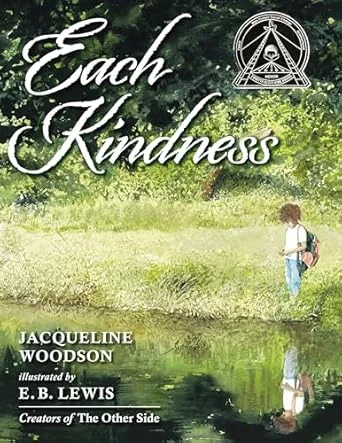
1st & 2nd Grade
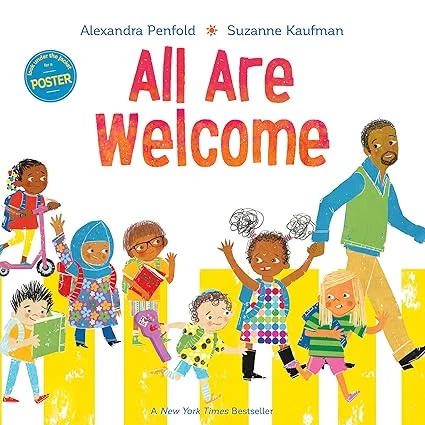
1st & 2nd Grade

Pre-K & Kindergarten
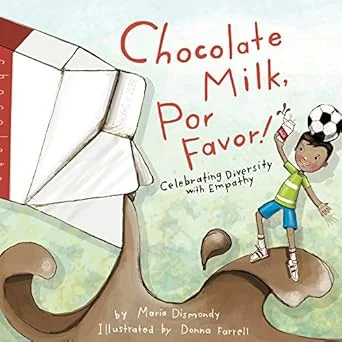
1st & 2nd Grade
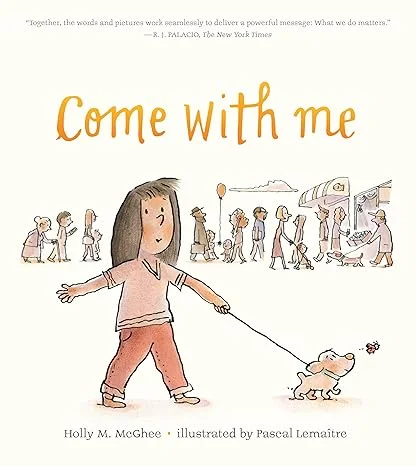
1st & 2nd Grade
5th & 6th Grade

1st & 2nd Grade

1st & 2nd Grade
1st & 2nd Grade

5th & 6th Grade
1st & 2nd Grade
Pre-K & Kindergarten
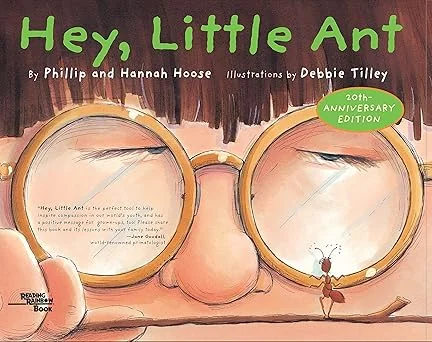
1st & 2nd Grade
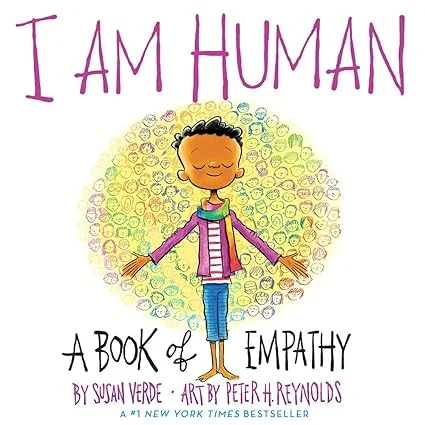
1st & 2nd Grade
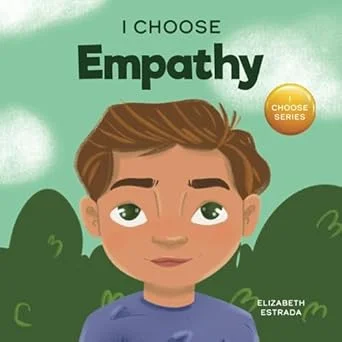
Pre-K & Kindergarten
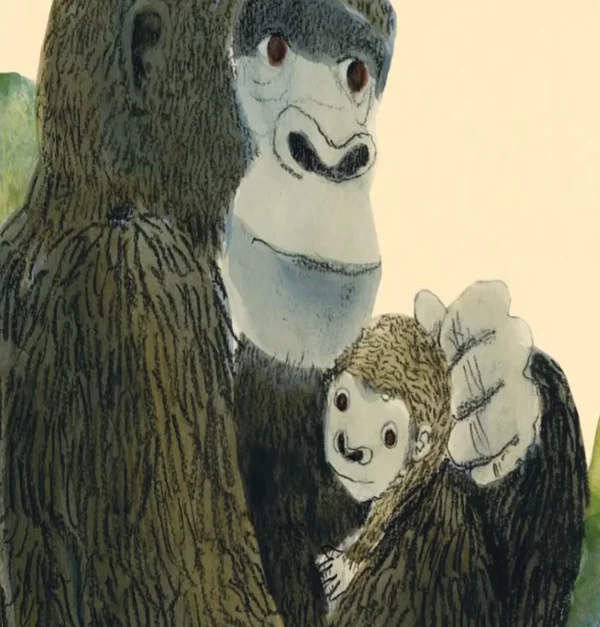
3rd & 4th Grade

5th & 6th Grade
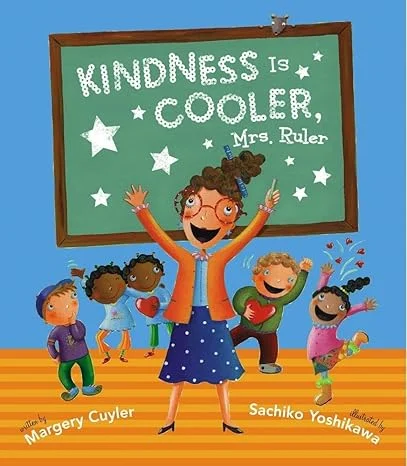
1st & 2nd Grade
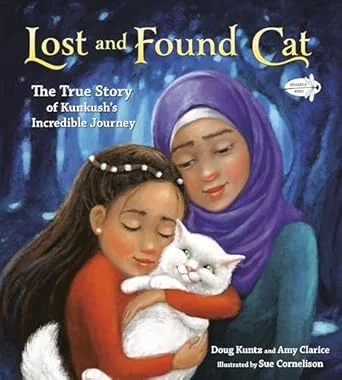
3rd & 4th Grade

3rd & 4th Grade
1st & 2nd Grade

5th & 6th Grade
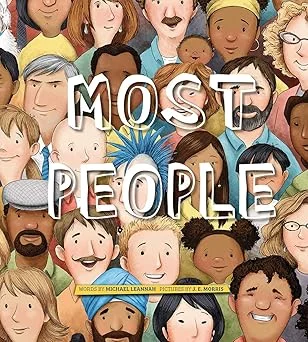
Pre-K & Kindergarten
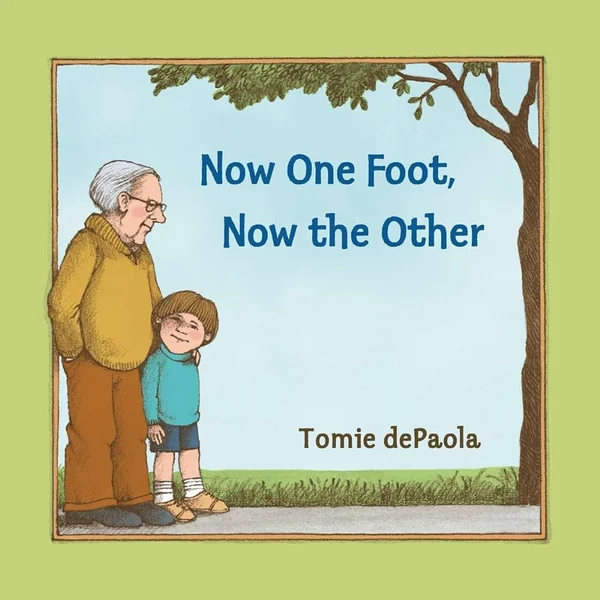
Pre-K & Kindergarten
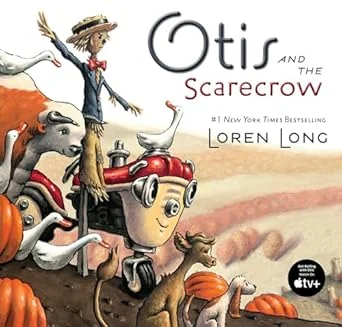
Pre-K & Kindergarten

3rd & 4th Grade
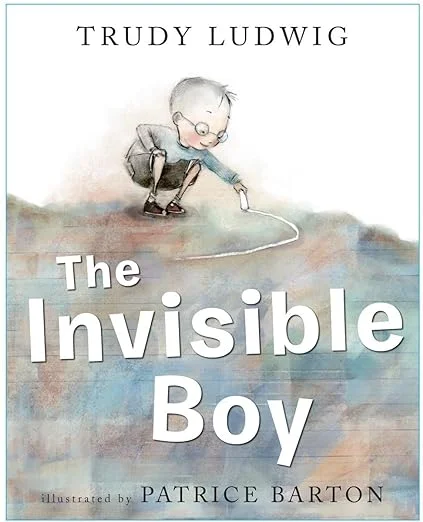
1st & 2nd Grade

1st & 2nd Grade
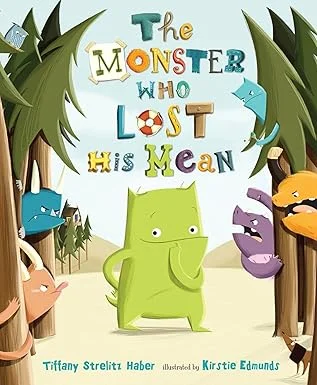
Pre-K & Kindergarten

Pre-K & Kindergarten

Pre-K & Kindergarten

1st & 2nd Grade

3rd & 4th Grade
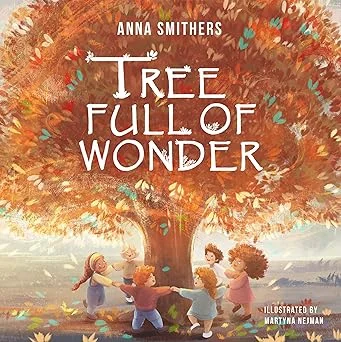
Pre-K & Kindergarten

Pre-K & Kindergarten
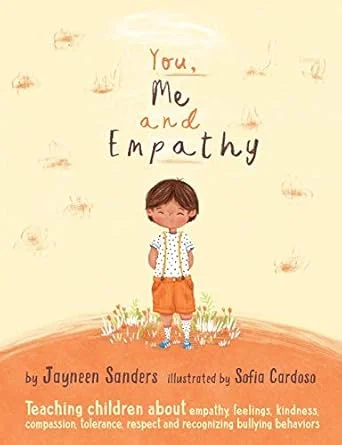
1st & 2nd Grade
Compassion means feeling with others. It is seeing beyond yourself, noticing pain, and choosing to help. It invites us to listen, to care, and to act with kindness and courage. Especially when it is hard. Compassion is more than sympathy. Sympathy feels sorry from a distance. Compassion steps closer. It asks: what does this person need right now? And then it acts. That combination of feeling and doing is what makes compassion one of the most powerful virtues a child can develop.
“Compassion is not pity. It is choosing to enter someone else's experience.”
This Compassion resource page is made possible through the generous support of a mission-aligned organization dedicated to strengthening families and character in children. Their partnership helps keep all guides and activities free for every family.
Learn about supporting a virtue page →What is compassion and why is it important for children?
Compassion is the ability to feel what another person is experiencing and respond with care and action. For children, developing compassion builds the foundation for healthy relationships, conflict resolution, and emotional intelligence. Research consistently links compassion to lower rates of bullying, greater peer acceptance, and stronger family bonds.
At what age can children learn compassion?
Children begin showing early signs of empathy as young as 18 months. By ages 3 to 5, they can begin to understand that others have feelings different from their own. Guided conversations using picture books are one of the most effective tools for building compassion in children ages 4 and up, which is why every guide on this page includes age-specific discussion questions.
How do you teach compassion to kids?
The most effective way to teach compassion is through story and conversation, not lectures. When a child reads about a character facing pain and chooses to help, they practice compassion at a safe emotional distance. Asking questions like 'How do you think the character felt?' or 'What would you have done?' builds the habit of perspective-taking that underlies all compassionate behavior.
What is the difference between empathy and compassion?
Empathy is feeling what another person feels. Compassion adds a second step: doing something about it. A child can empathize with a classmate who is sad and still walk away. A compassionate child notices the sadness and then chooses to act -- to sit with them, to tell a trusted adult, or to do something that says: I see that you are hurting, and you are not alone. Compassion is empathy in motion.
What are good books to teach compassion to children?
Values and Virtues has curated 32 book guides for compassion, organized by grade level. For K-2nd grade, 'The Bear Who Stayed' and 'A Place for Oliver' are particularly powerful starting points. For older readers in grades 3-5, 'When Emma Shared' and 'The Quiet Helper' explore compassion in more complex social situations. All guides include free discussion questions you can use tonight.
How can I use books to start conversations about compassion with my child?
Values and Virtues provides free Guiding Questions for every book on this page. After reading together, pick two or three questions and let the conversation unfold naturally. You do not need to be an expert. You just need to be present, curious, and willing to listen. Ten minutes of quality conversation with loved ones creates family bonds that last.
Is compassion a virtue?
Yes. Compassion is considered one of the core moral virtues across nearly every major philosophical and religious tradition, Values and Virtues includes compassion in its framework of 12 foundational virtues for children's character development.
What is Values and Virtues?
Values and Virtues is a nonprofit platform that helps parents and educators reconnect with children through guided book conversations. Built around 12 core virtues, it provides more than 400 guides and activities, free to read online, organized by virtue and grade level. It is operated by The Principled Academy Inc., a 501(c)(3) nonprofit.