Virtue: Cooperation
Cooperation.
Working together toward something none of us could build alone.
Virtue: Cooperation
Working together toward something none of us could build alone.

3rd & 4th Grade
1st & 2nd Grade
Pre-K & Kindergarten

1st & 2nd Grade
Pre-K & Kindergarten

3rd & 4th Grade
Pre-K & Kindergarten

5th & 6th Grade
1st & 2nd Grade
Pre-K & Kindergarten

Pre-K & Kindergarten

5th & 6th Grade

5th & 6th Grade
1st & 2nd Grade
Pre-K & Kindergarten
1st & 2nd Grade
Pre-K & Kindergarten

1st & 2nd Grade

1st & 2nd Grade
Pre-K & Kindergarten

3rd & 4th Grade
1st & 2nd Grade

1st & 2nd Grade
Pre-K & Kindergarten
3rd & 4th Grade
Pre-K & Kindergarten
Pre-K & Kindergarten

1st & 2nd Grade

Pre-K & Kindergarten

1st & 2nd Grade

5th & 6th Grade
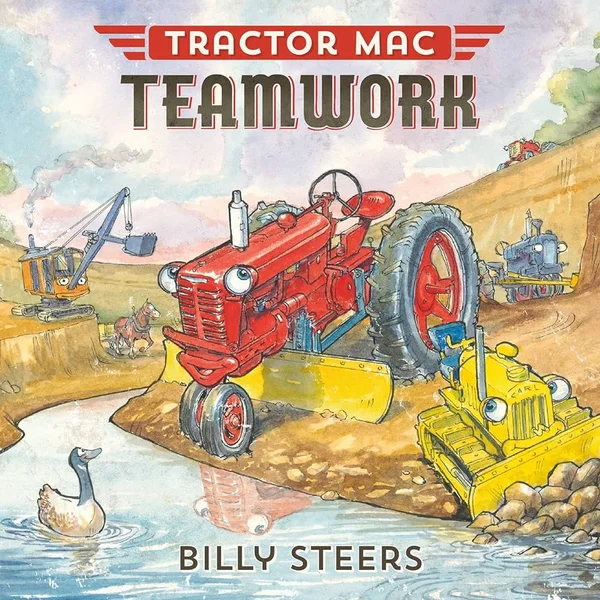
Pre-K & Kindergarten
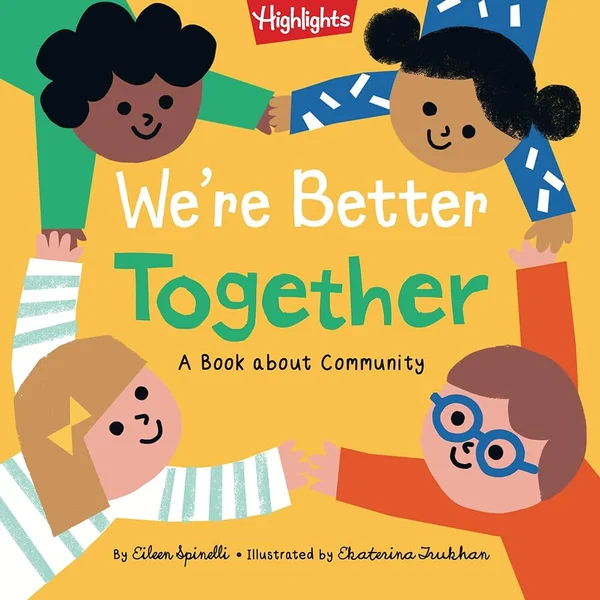
Pre-K & Kindergarten
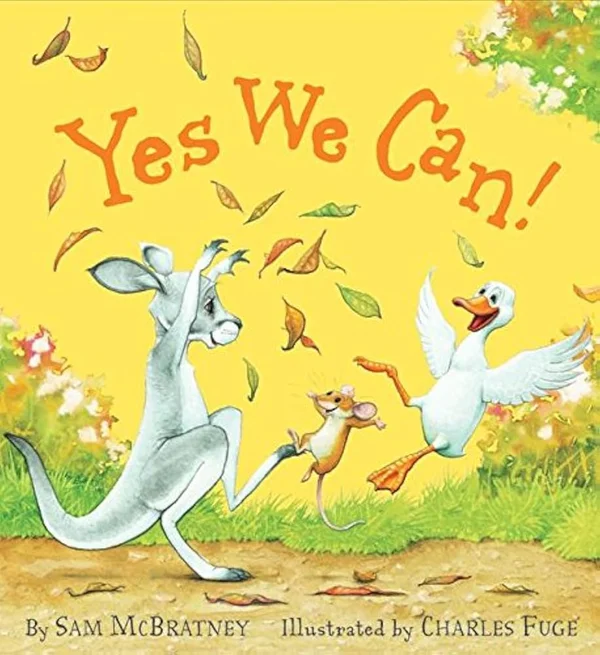
1st & 2nd Grade
Cooperation means working together. It is setting aside what you want right now so that something larger can happen. It means listening, sharing, compromising, and trusting that the group can accomplish what the individual cannot. Cooperation is not the same as compliance. A child who does what they are told is following instructions. A child who cooperates is choosing to contribute. That distinction matters. Genuine cooperation requires seeing yourself as part of something bigger, and deciding that the shared goal is worth the personal cost.
“Cooperation is not giving in. It is choosing to give.”
This Cooperation resource page is made possible through the generous support of a mission-aligned organization dedicated to strengthening families and character in children. Their partnership helps keep all guides and activities free for every family.
Learn about supporting a virtue page →What is cooperation and why is it important for children?
Cooperation is the ability to work alongside others toward a shared goal: listening, compromising, and contributing even when it requires setting personal preferences aside. For children, developing cooperation builds the foundation for healthy friendships, functional families, and effective participation in teams and communities. Children who learn to cooperate early are better prepared for the collaborative demands of school, work, and adult relationships.
At what age can children learn cooperation?
Children begin showing early signs of cooperative play around ages 3 to 4, when they start engaging with peers rather than simply playing side by side. By ages 5 to 7, most children can begin understanding shared goals and taking turns in a meaningful way. The guides on this page are organized by grade level so families can start wherever their child is and build from there.
How do you teach cooperation to kids?
The most effective way to teach cooperation is through story and conversation, not rules and rewards. When a child reads about characters who must work together to solve a problem, they experience cooperation from the inside. Asking questions like 'What did each character have to give up?' or 'Could they have done it alone?' builds the habit of thinking cooperatively before the stakes are real.
What is the difference between cooperation and teamwork?
Teamwork is often a structured activity with assigned roles and a defined outcome. Cooperation is the underlying attitude that makes teamwork possible. A team can go through the motions without anyone genuinely cooperating. Cooperation requires a choice: the choice to value the group's progress over personal preference. It is an internal posture, not just an external behavior.
What are good books to teach cooperation to children?
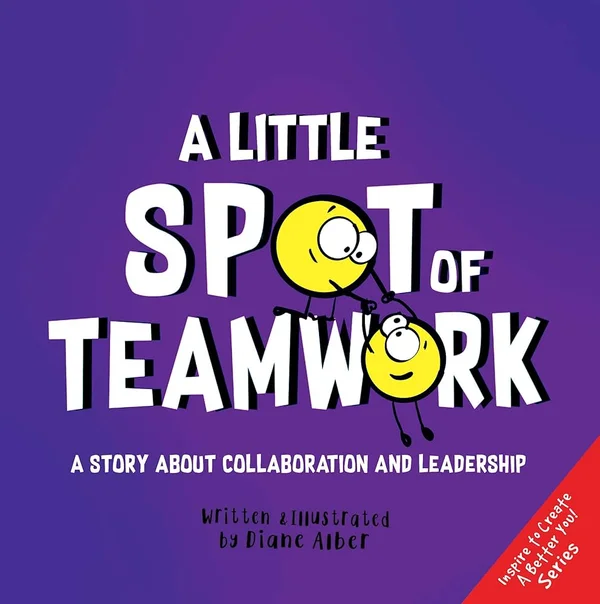
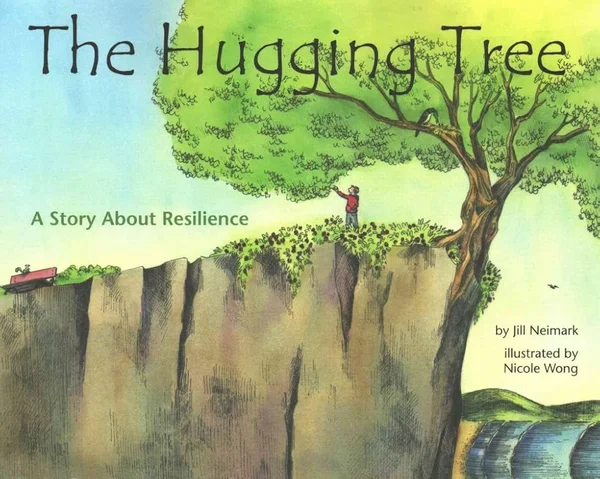
Values and Virtues has curated 26 book guides for cooperation, organized by grade level. For K-2nd grade, 'Stone Soup' and 'A Little Spot of Teamwork' are strong starting points. For grades 3-5, 'The Lion and the Mouse' and 'The Hugging Tree' explore cooperation in richer contexts. All guides include free discussion questions available on this page.
How can I use books to start conversations about cooperation with my child?
Values and Virtues provides free Guiding Questions for every book on this page. After reading together, pick two or three questions and let the conversation go where it wants to go. The goal is not to teach a lesson. The goal is to get your child thinking and talking. Ten minutes of that kind of conversation is worth more than any worksheet.
Is cooperation a virtue?
Yes. Cooperation is recognized as a foundational virtue in classical character education, civic philosophy, and most major faith traditions. It is the virtue that makes community possible. Values and Virtues includes cooperation in its framework of 12 foundational virtues for children's character development.
What is Values and Virtues?
Values and Virtues is a nonprofit platform that helps parents and educators reconnect with children through guided book conversations. Built around 12 core virtues, it provides more than 400 guides and activities, free to read online, organized by virtue and grade level. It is operated by The Principled Academy Inc., a 501(c)(3) nonprofit.