Virtue: Friendship
Friendship.
The art of showing up for someone, again and again, even when it is hard.
Virtue: Friendship
The art of showing up for someone, again and again, even when it is hard.
Pre-K & Kindergarten
Pre-K & Kindergarten
Pre-K & Kindergarten
Pre-K & Kindergarten
5th & 6th Grade
3rd & 4th Grade
1st & 2nd Grade
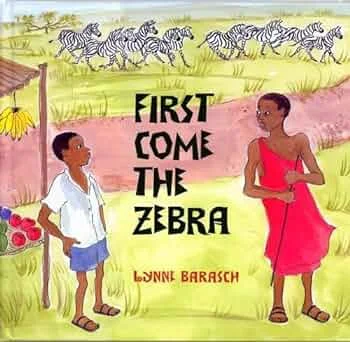
3rd & 4th Grade
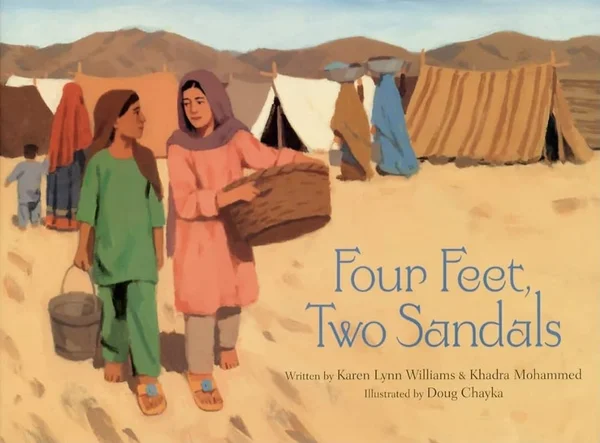
3rd & 4th Grade
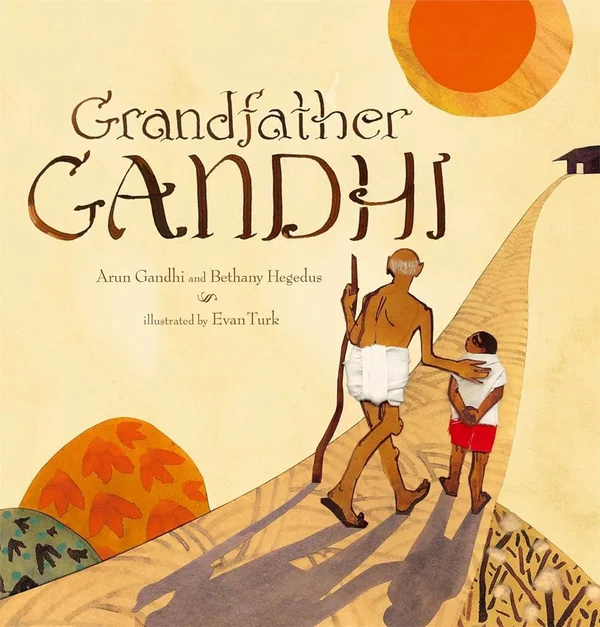
5th & 6th Grade
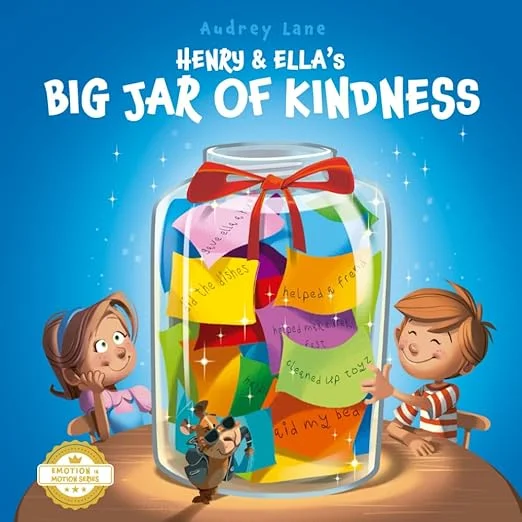
1st & 2nd Grade
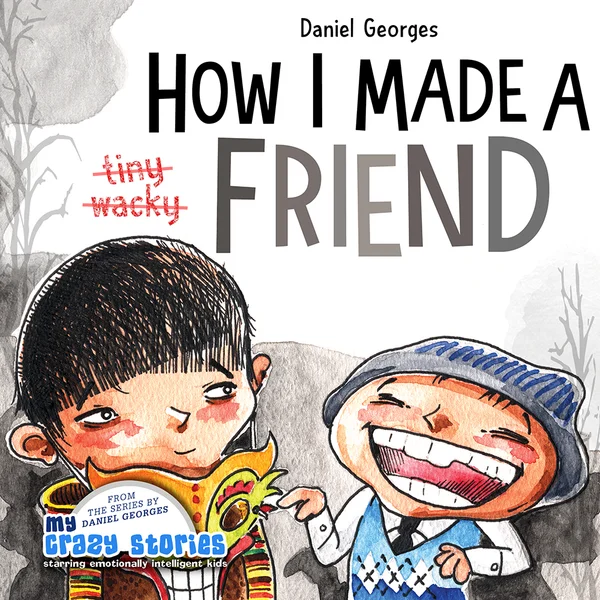
Pre-K & Kindergarten
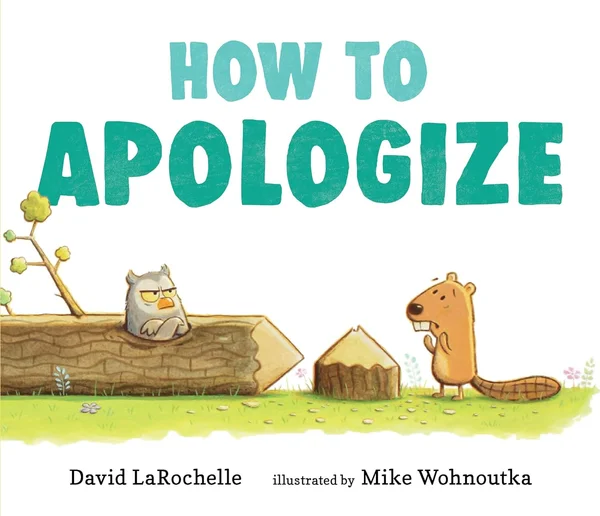
1st & 2nd Grade
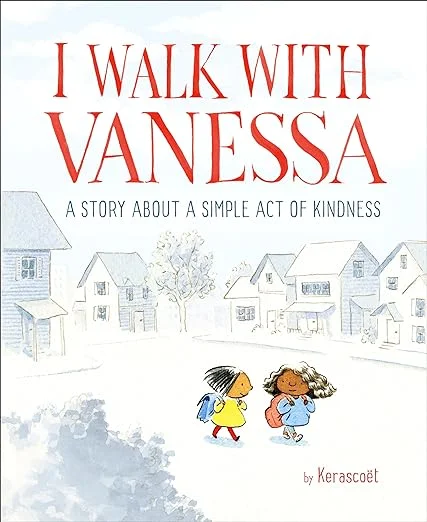
Pre-K & Kindergarten
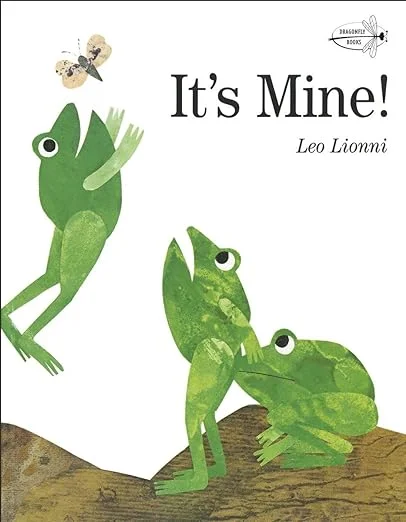
1st & 2nd Grade
Pre-K & Kindergarten
5th & 6th Grade
Pre-K & Kindergarten
Pre-K & Kindergarten

1st & 2nd Grade
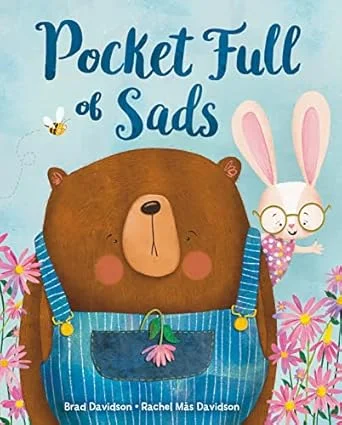
Pre-K & Kindergarten
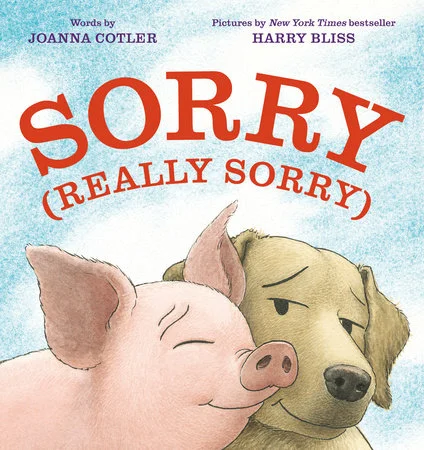
Pre-K & Kindergarten
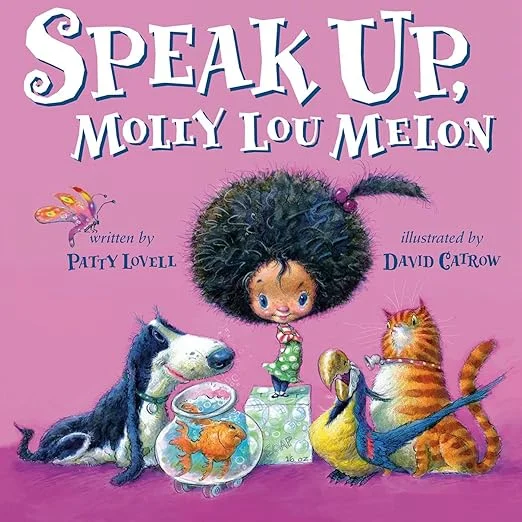
1st & 2nd Grade
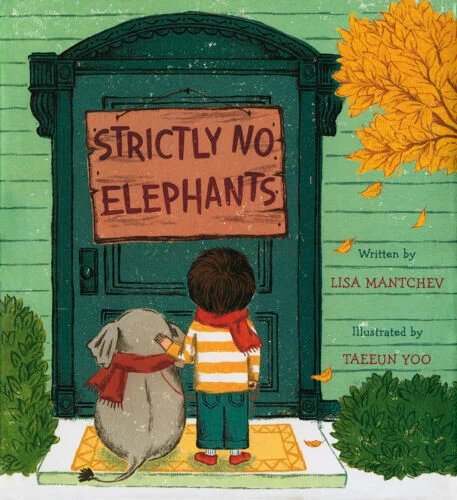
1st & 2nd Grade
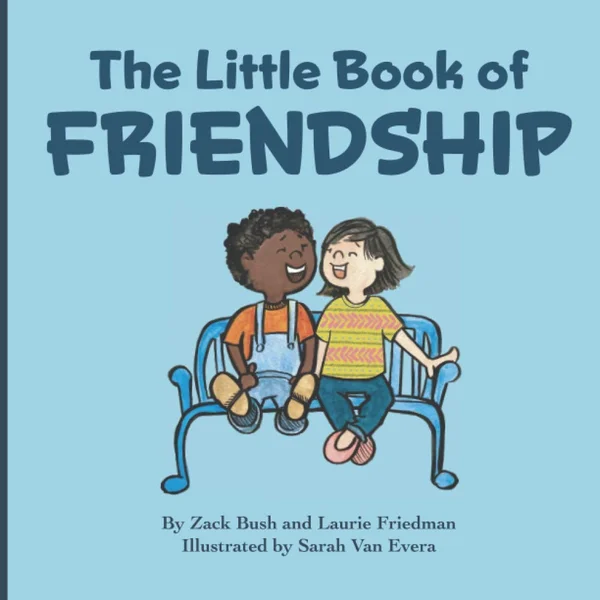
1st & 2nd Grade
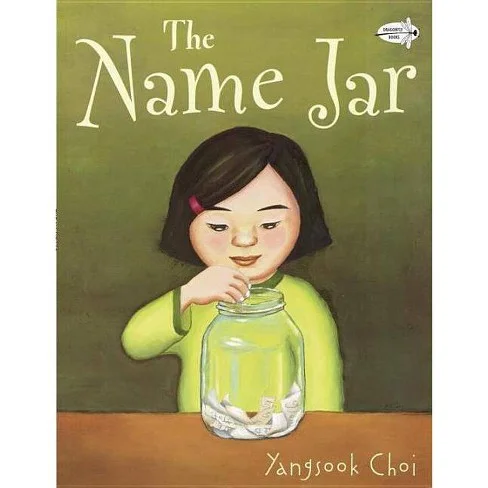
1st & 2nd Grade
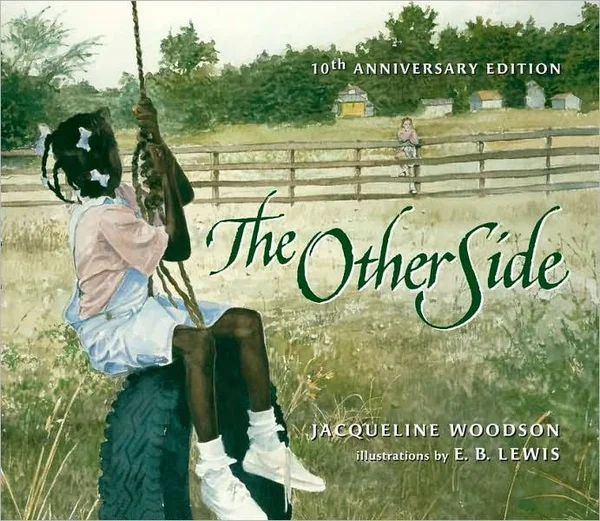
3rd & 4th Grade
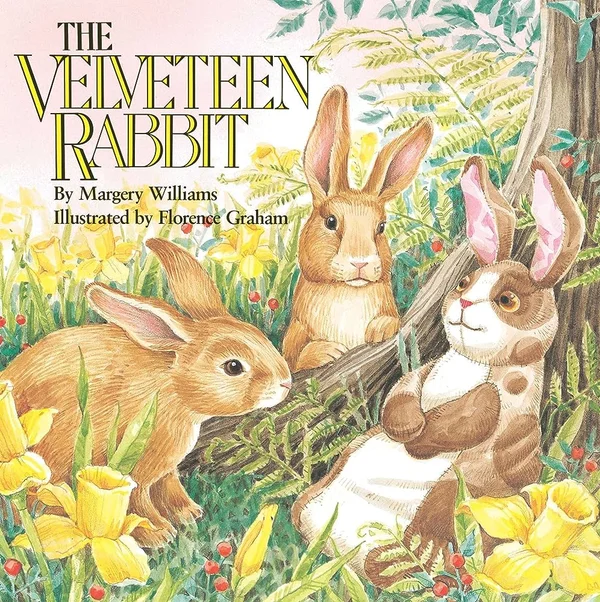
5th & 6th Grade
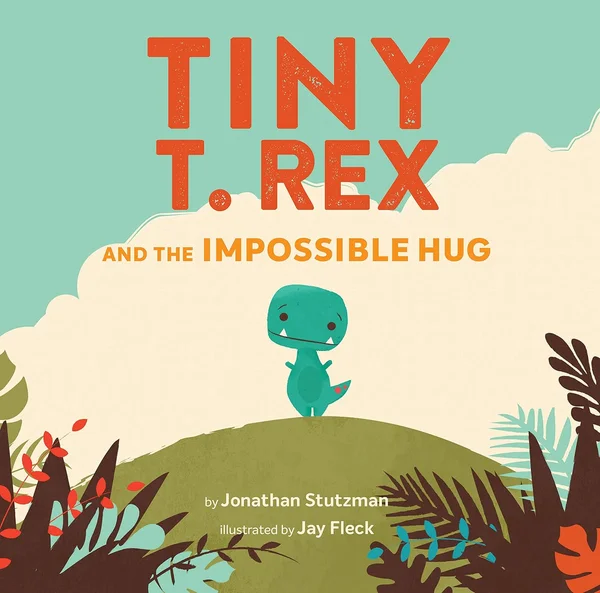
Pre-K & Kindergarten
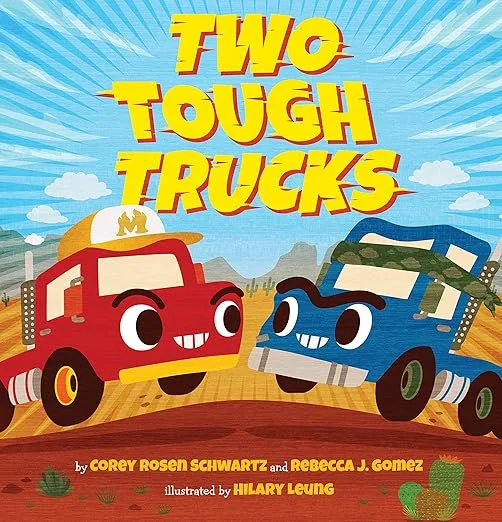
Pre-K & Kindergarten
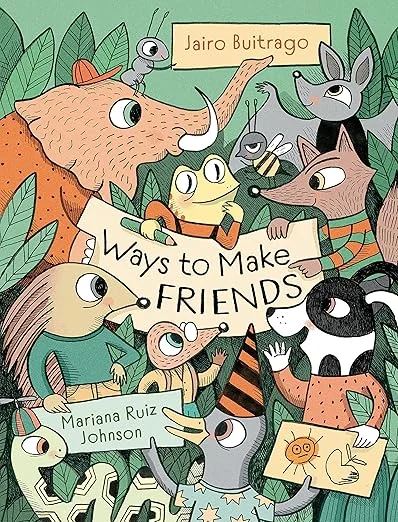
1st & 2nd Grade
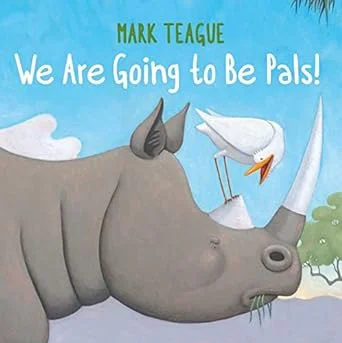
1st & 2nd Grade
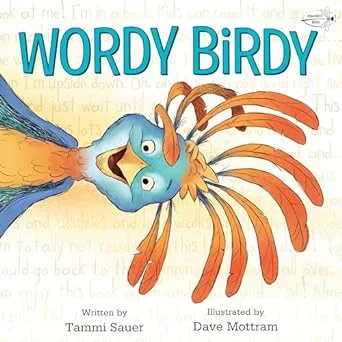
Pre-K & Kindergarten
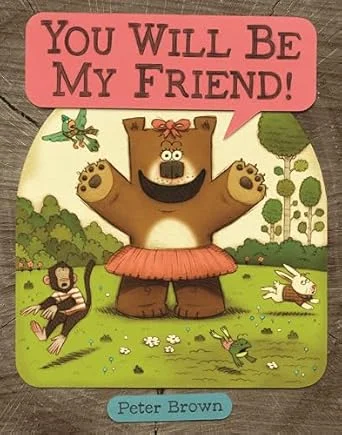
Pre-K & Kindergarten
Friendship is one of the oldest words in every language because it describes one of the oldest needs in every human heart. A friend is someone who sees you, chooses you, and stays. Not because they have to, but because they want to. Friendship is the practice of caring about another person's life as much as your own. Real friendship is harder than it looks. It requires honesty when silence would be easier. It requires loyalty when loyalty is costly. It requires the ability to apologize, to forgive, and to begin again after a rupture. Children who learn the skills of genuine friendship, not just getting along, but actually showing up for someone, develop one of the most important capacities a human being can have.
“Friendship is not something that happens to you. It is something you practice.”
This Friendship resource page is made possible through the generous support of a mission-aligned organization dedicated to strengthening families and character in children. Their partnership helps keep all guides and activities free for every family.
Learn about supporting a virtue page →What is friendship and why is it important for children?
Friendship is a voluntary relationship built on mutual care, trust, and commitment. For children, developing the skills of genuine friendship, empathy, loyalty, honest communication, and the ability to repair conflict, builds the foundation for healthy relationships throughout life. Research consistently links strong childhood friendships to better mental health, greater resilience, higher academic performance, and lower rates of anxiety and depression in adolescence and adulthood.
At what age can children form real friendships?
Children begin showing preference for specific playmates as early as ages 2 to 3, though these early relationships are more parallel than mutual. By ages 5 to 7, most children are capable of forming genuine reciprocal friendships based on shared interests and emotional connection. The guides on this page are organized by grade level so families can use age-appropriate books to build friendship skills at every stage of development.
How do you teach friendship skills to kids?
Friendship skills are best developed through story and guided reflection rather than direct instruction. When a child reads about characters navigating a conflict, a misunderstanding, or a moment of loyalty, they practice the reasoning that friendship requires. Questions like 'Why did the character stay even though it was hard?' or 'What would you do if your friend did that?' build the habits of mind that make real friendship possible. The guides on this page are built around exactly that kind of conversation.
What is the difference between a friend and an acquaintance?
An acquaintance is someone you know. A friend is someone who knows you. The difference is depth, honesty, and commitment over time. Children often use the word friend loosely, and that is natural. Part of what the guides on this page help children develop is a more nuanced understanding of what friendship actually asks of us, and what it gives back.
What are good books to teach friendship to children?
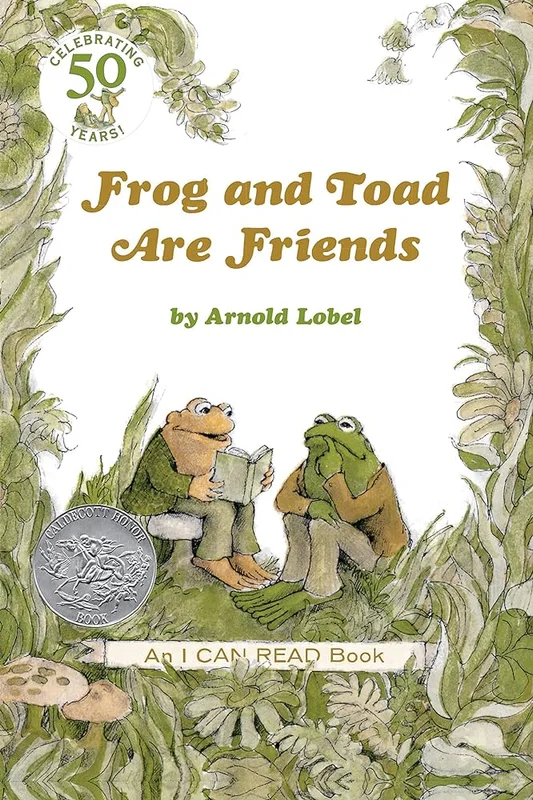
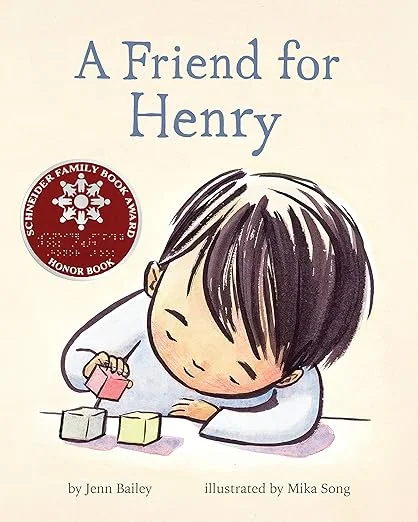
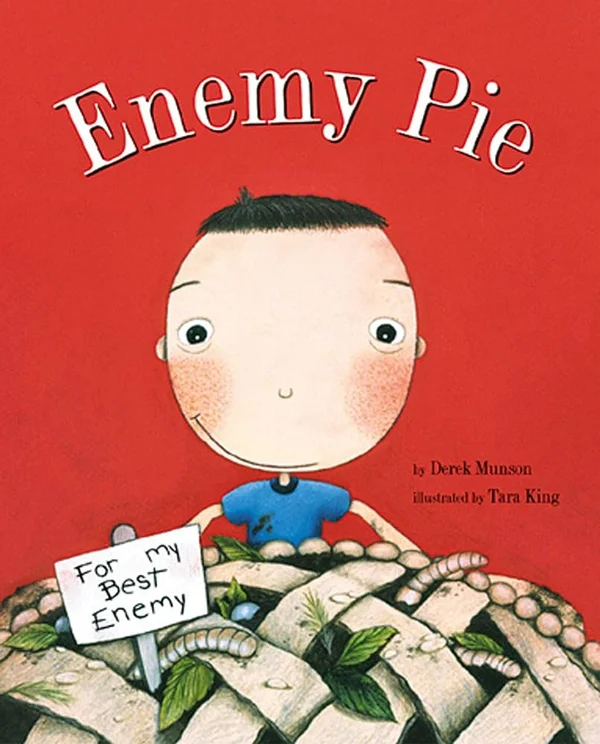
Values and Virtues has curated 34 book guides for friendship, organized by grade level. For K-2nd grade, 'A Friend for Henry,' 'Enemy Pie,' and 'Frog and Toad Are Friends' are among the most powerful starting points for conversations about what it means to make and keep a friend. For grades 3-5, 'The Name Jar,' 'The Other Side,' and 'The Velveteen Rabbit' explore friendship across difference and over time. All guides include free discussion questions available on this page.
How can I use books to start conversations about friendship with my child?
Values and Virtues provides free Guiding Questions for every book on this page. After reading together, pick two or three questions and let the conversation go where it wants to go. Children are often more willing to talk about hard things when the conversation starts with a character rather than themselves. Ten minutes of that kind of conversation builds something that lasts.
Is friendship a virtue?
Yes. Aristotle wrote more about friendship than almost any other subject in his ethics, arguing that genuine friendship, the kind built on mutual virtue rather than usefulness or pleasure, is essential to a good human life. Across philosophical traditions and faith communities, the capacity for deep, loyal, honest friendship is recognized as a mark of good character. Values and Virtues includes friendship in its framework of 12 foundational virtues for children's character development.
What is Values and Virtues?
Values and Virtues is a nonprofit platform that helps parents and educators reconnect with children through guided book conversations. Built around 12 core virtues, it provides more than 400 guides and activities, free to read online, organized by virtue and grade level. It is operated by The Principled Academy Inc., a 501(c)(3) nonprofit.