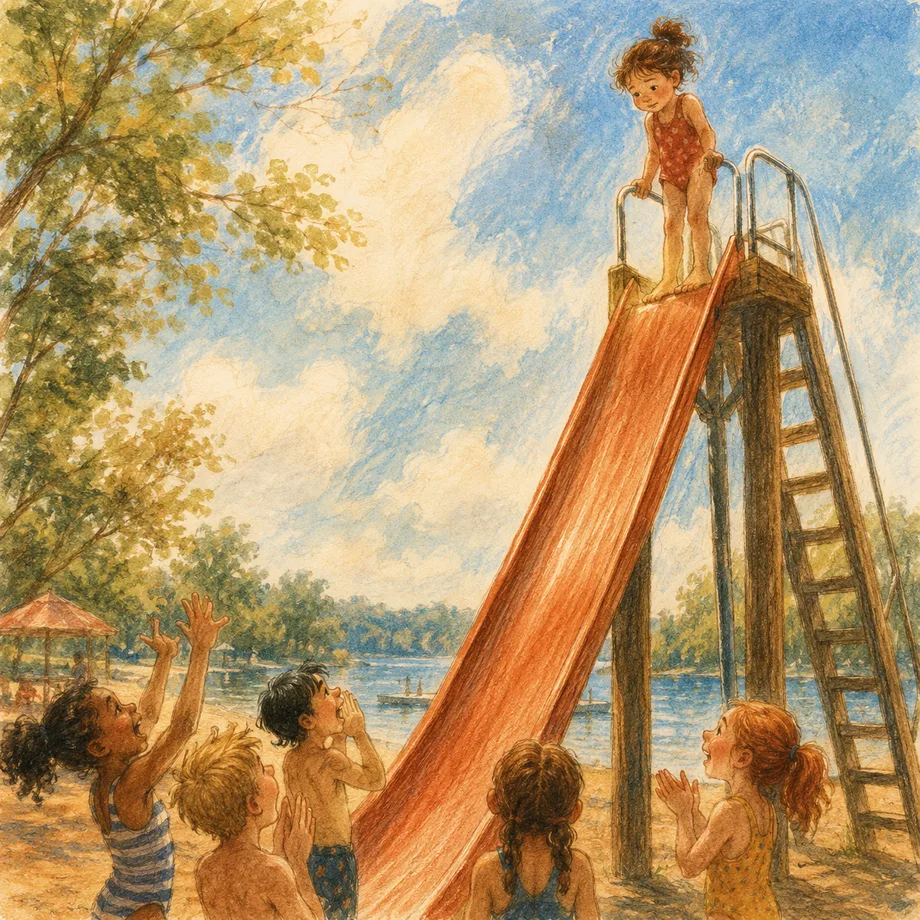
Virtue: Courage
Courage.
The willingness to do what is right or necessary, even when you are afraid.
Virtue: Courage
The willingness to do what is right or necessary, even when you are afraid.
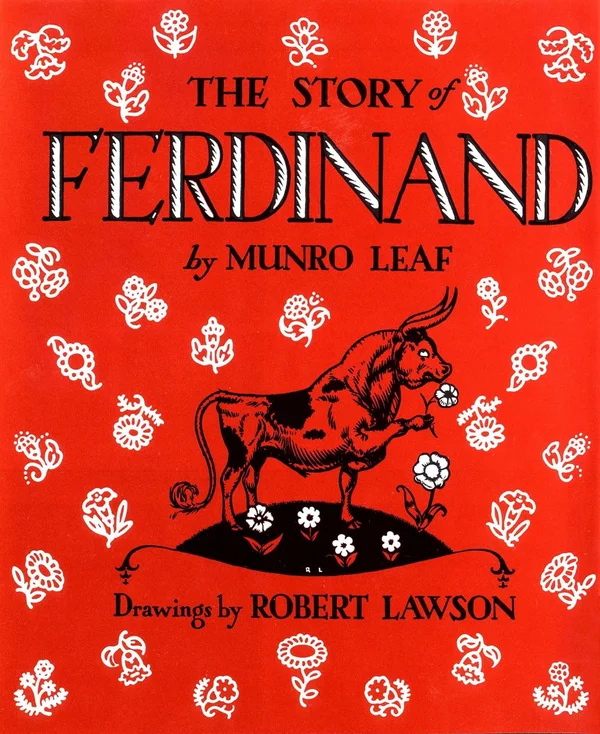
1st & 2nd Grade
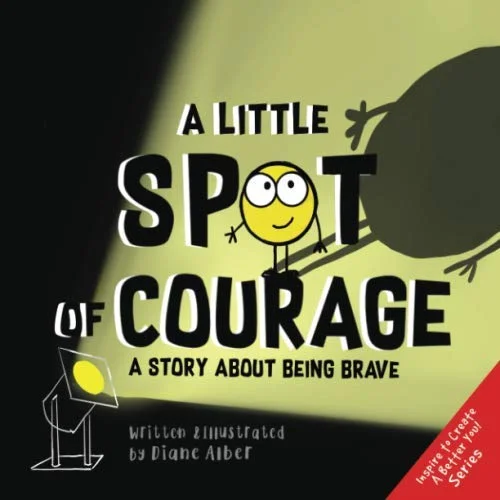
1st & 2nd Grade
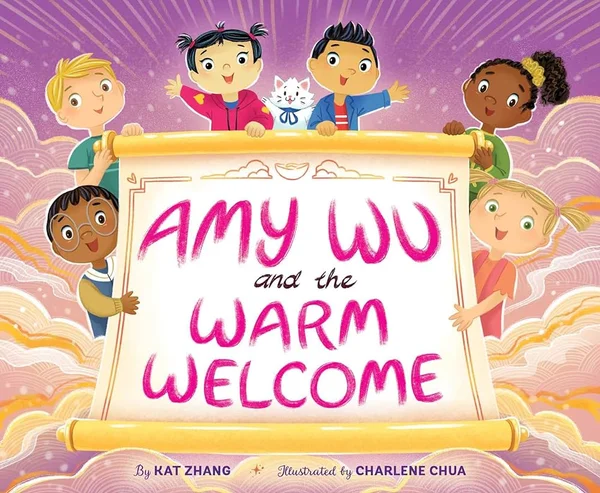
1st & 2nd Grade
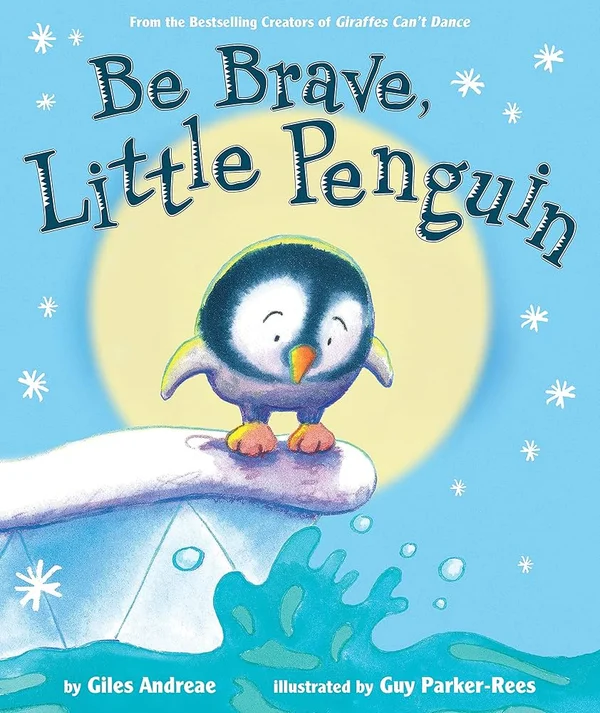
Pre-K & Kindergarten
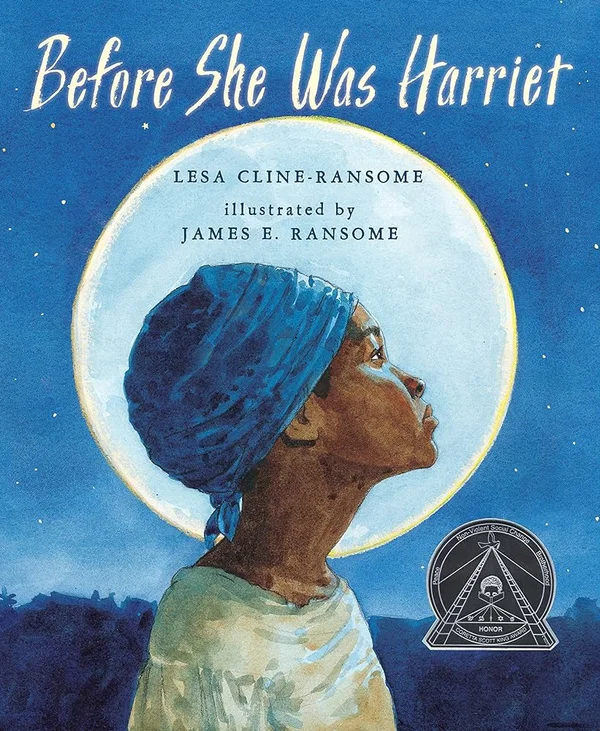
3rd & 4th Grade
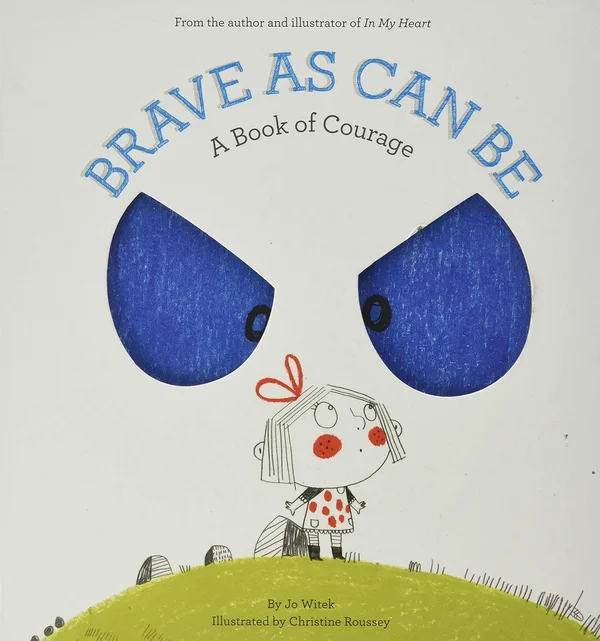
Pre-K & Kindergarten
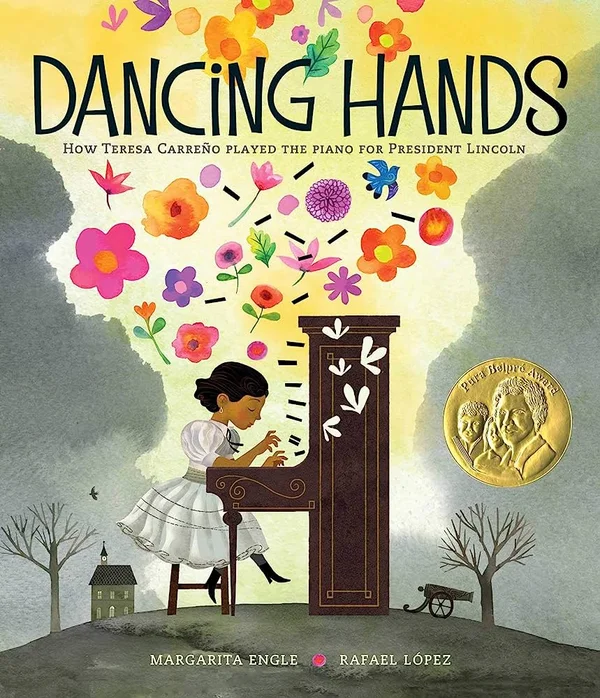
3rd & 4th Grade
5th & 6th Grade
Pre-K & Kindergarten
1st & 2nd Grade
Pre-K & Kindergarten
1st & 2nd Grade
5th & 6th Grade
Pre-K & Kindergarten
3rd & 4th Grade
Pre-K & Kindergarten
5th & 6th Grade
Pre-K & Kindergarten
1st & 2nd Grade
5th & 6th Grade
3rd & 4th Grade
1st & 2nd Grade
1st & 2nd Grade
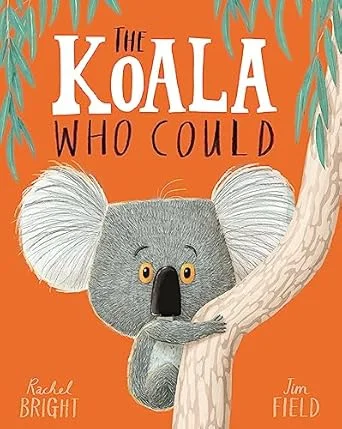
Pre-K & Kindergarten
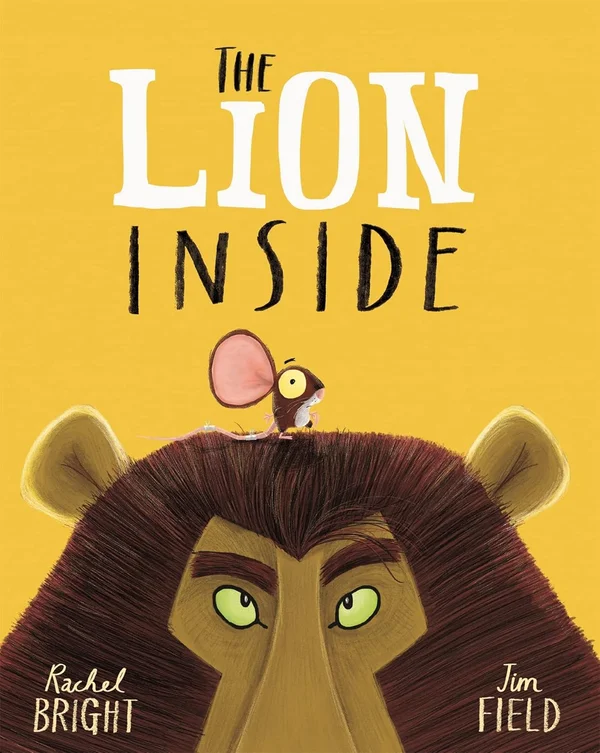
Pre-K & Kindergarten
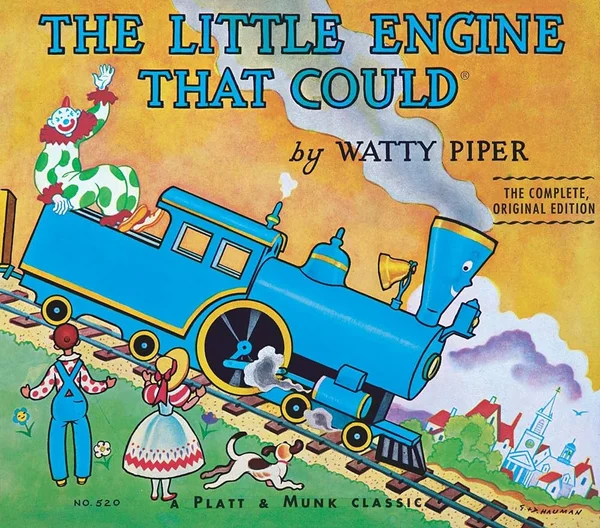
1st & 2nd Grade
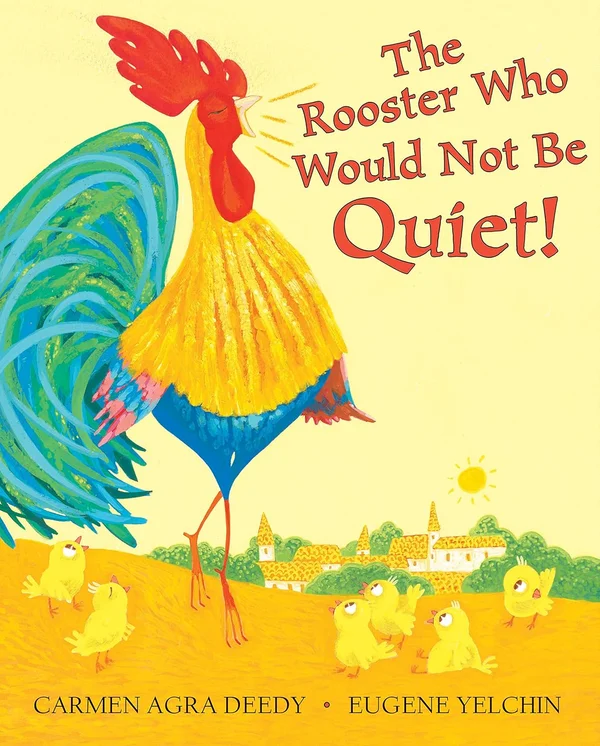
1st & 2nd Grade
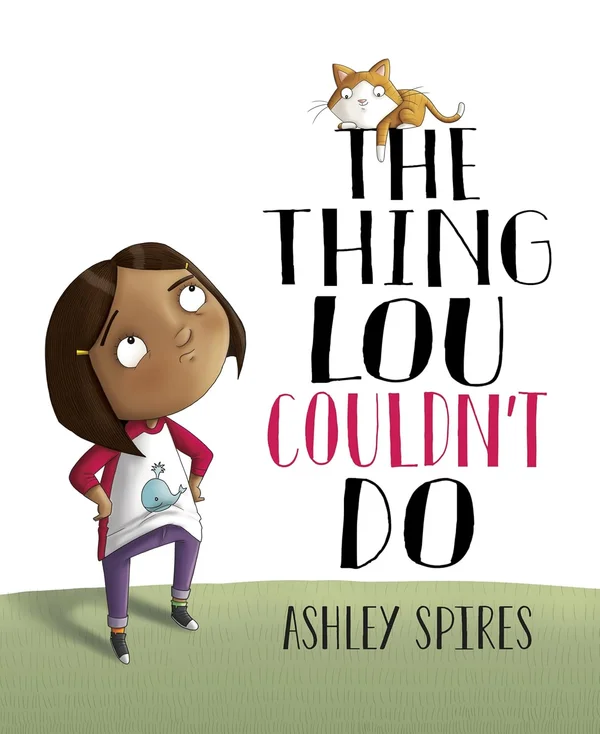
Pre-K & Kindergarten
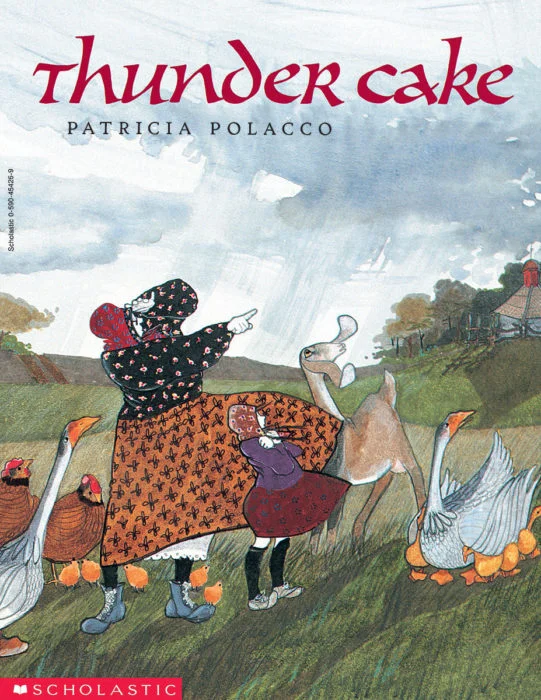
1st & 2nd Grade
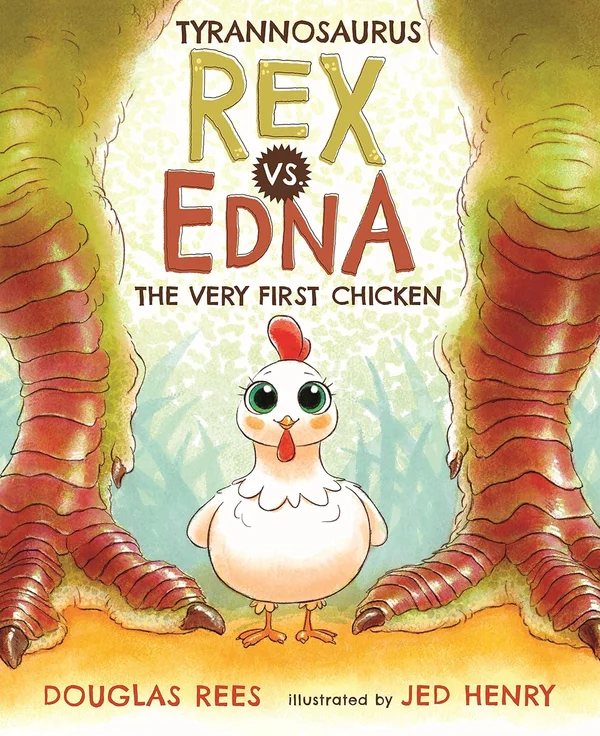
Pre-K & Kindergarten
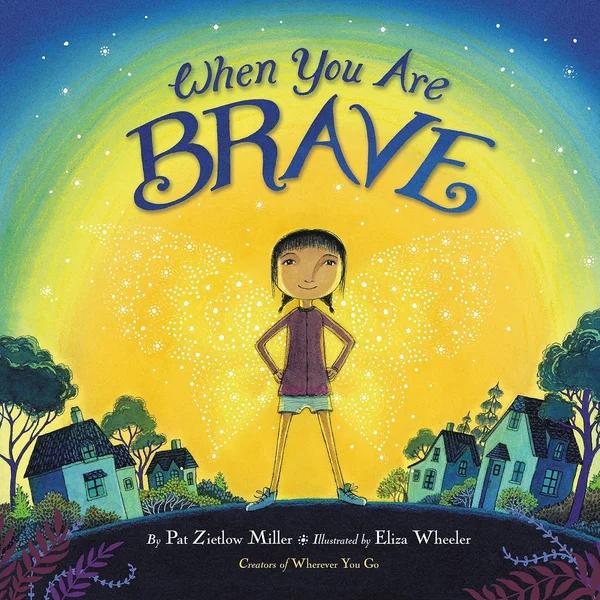
1st & 2nd Grade
Courage is not the absence of fear. It is the decision that something matters more than the fear. A child who walks into a new classroom for the first time is showing courage. So is the child who tells the truth knowing it will be hard, or the one who stands up for a friend even when it is costly. Courage is not a feeling. It is a choice. There are many kinds of courage. Physical courage is the most visible, but it is not always the most important. Moral courage, the willingness to do what is right when it would be easier to stay quiet, is what shapes character over a lifetime. Emotional courage, the willingness to be honest about how you feel, is what makes deep relationships possible. The guides on this page develop all three.
“Courage is not the absence of fear. It is deciding that something else matters more.”
This Courage resource page is made possible through the generous support of a mission-aligned organization dedicated to strengthening families and character in children. Their partnership helps keep all guides and activities free for every family.
Learn about supporting a virtue page →What is courage and why is it important for children?
Courage is the ability to act on what matters, even when fear is present. For children, developing courage builds the foundation for resilience, honest relationships, and the willingness to try hard things. Children who develop courage are better equipped to handle failure, stand up for others, and pursue goals that require persistence. Courage is not about being fearless. It is about learning to move forward despite the fear.
At what age can children learn courage?
Children begin facing moments that require courage very early, as soon as they encounter new people, new situations, or the possibility of failure. By ages 4 to 6, most children can begin to understand courage as a concept and connect it to their own experience. The guides on this page are organized by grade level so families can meet children exactly where they are and build from there.
How do you teach courage to kids?
Courage is best taught through story and conversation rather than instruction or pressure. When a child reads about a character who is genuinely afraid and chooses to act anyway, they experience courage from the inside. Asking questions like 'What was the character afraid of?' or 'What would you have done?' builds the habit of thinking about courage before the moment of decision arrives. The guides on this page are built around exactly that kind of conversation.
What is the difference between courage and bravery?
Bravery often describes an instinctive response, acting quickly in the face of danger without much thought. Courage is more deliberate. It involves recognizing the fear, weighing what matters, and choosing to act anyway. Courage also applies to situations that are not physically dangerous: the courage to be honest, the courage to be different, the courage to try something you might fail at. The guides on this page explore all of these dimensions.
What are good books to teach courage to children?
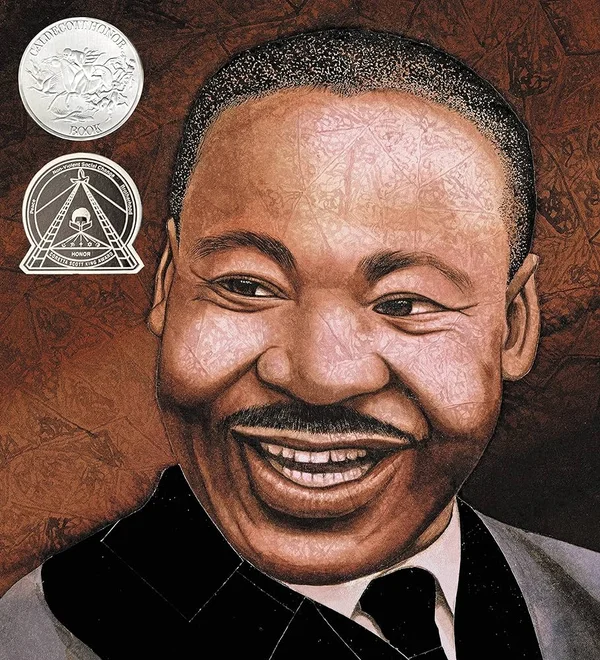
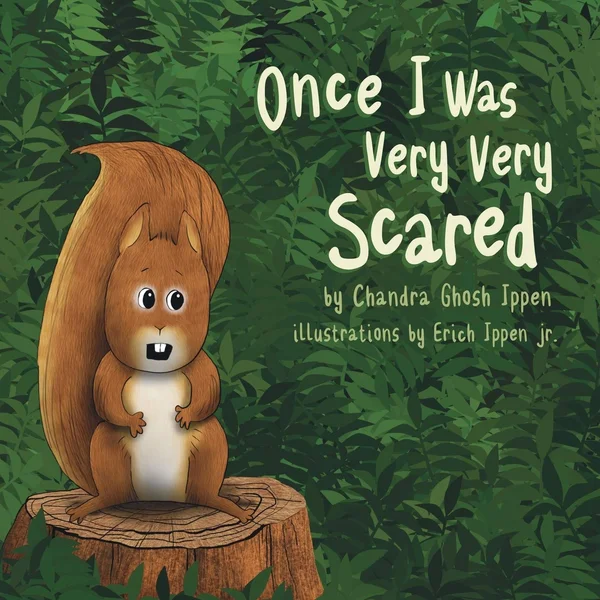
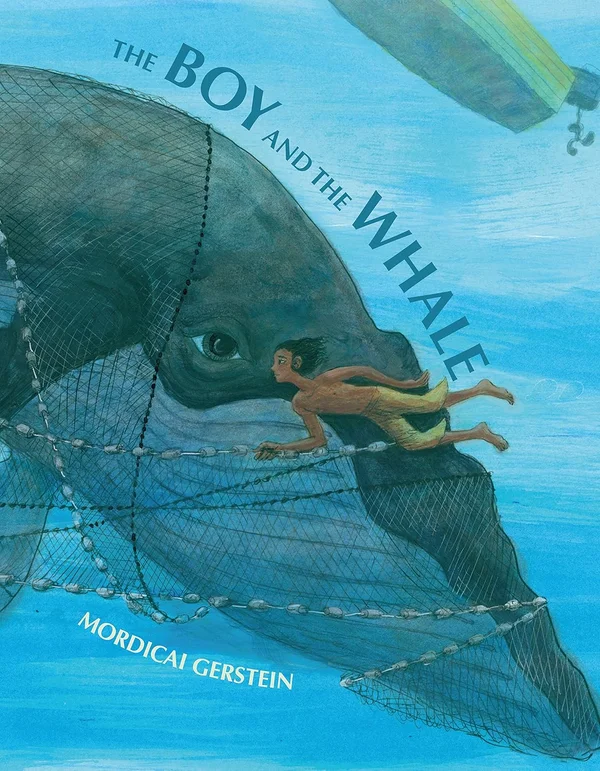
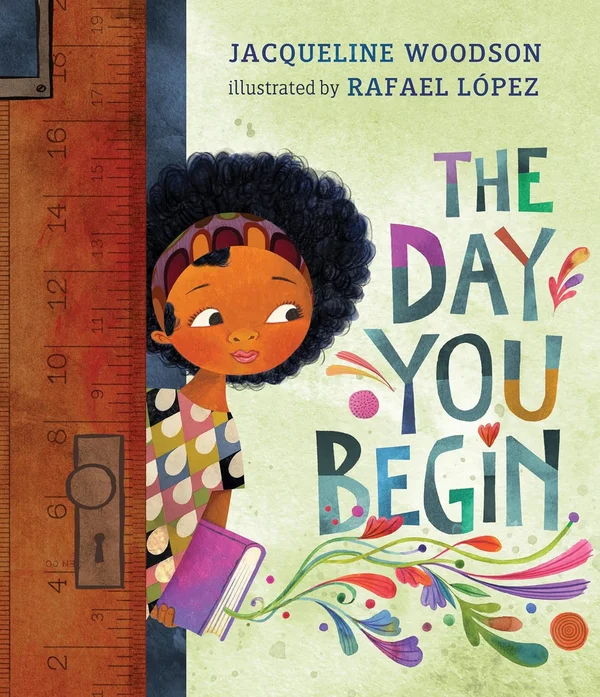
Values and Virtues has curated 32 book guides for courage, organized by grade level. For K-2nd grade, 'The Koala Who Could' and 'Once I Was Very Very Scared' are powerful starting points for conversations about fear and taking first steps. For grades 3-5, 'The Day You Begin' and 'The Boy and the Whale' explore courage in richer emotional territory. For older readers, 'Before She Was Harriet' and 'Martin's Big Words' introduce moral and historical courage. All guides include free discussion questions available on this page.
How can I use books to start conversations about courage with my child?
Values and Virtues provides free Guiding Questions for every book on this page. After reading together, pick two or three questions and let the conversation go where it wants to go. You do not need to know the right answers. The goal is simply to get your child thinking about what courage looks like, where they have seen it, and where they might need it. Ten minutes of that kind of conversation is genuinely powerful.
Is courage a virtue?
Yes. Courage is one of the four cardinal virtues in classical philosophy, alongside justice, temperance, and prudence. It is recognized across philosophical traditions, faith communities, and civic education frameworks as the virtue that makes all other virtues possible. Without courage, good intentions rarely become good actions. Values and Virtues includes courage in its framework of 12 foundational virtues for children's character development.
What is Values and Virtues?
Values and Virtues is a nonprofit platform that helps parents and educators reconnect with children through guided book conversations. Built around 12 core virtues, it provides more than 400 guides and activities, free to read online, organized by virtue and grade level. It is operated by The Principled Academy Inc., a 501(c)(3) nonprofit.