Virtue: Integrity
Integrity.
Doing the right thing. Even when no one is watching.
Virtue: Integrity
Doing the right thing. Even when no one is watching.
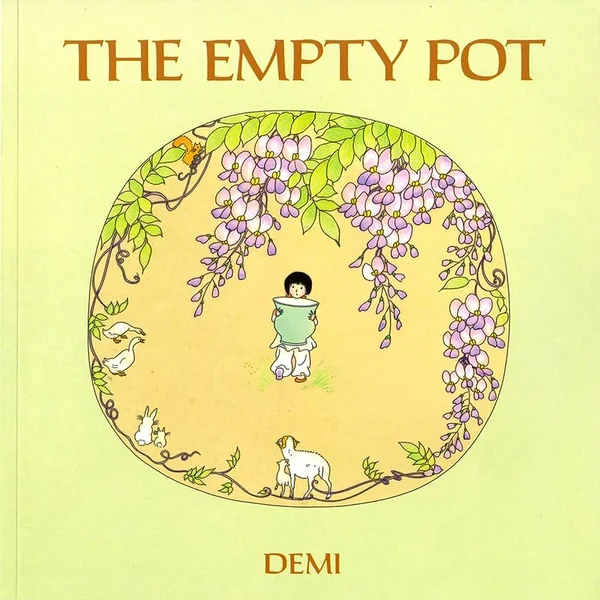
1st & 2nd Grade
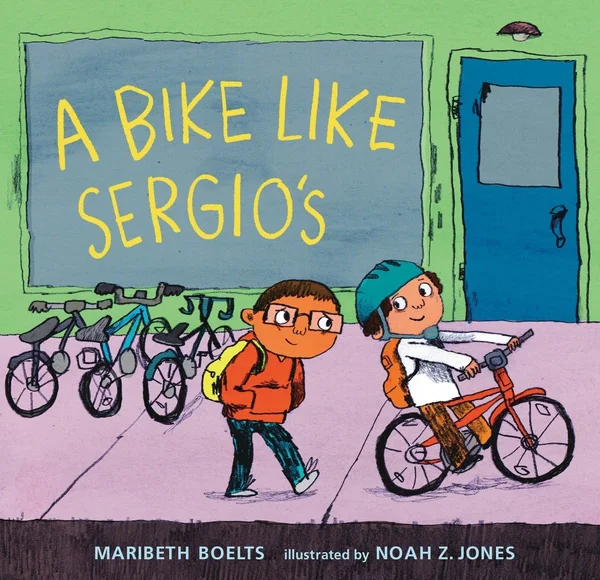
Pre-K & Kindergarten
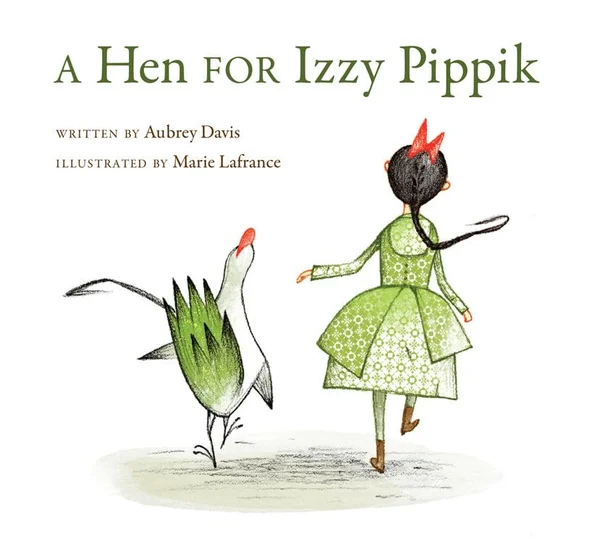
Pre-K & Kindergarten

5th & 6th Grade
1st & 2nd Grade
3rd & 4th Grade
1st & 2nd Grade
Pre-K & Kindergarten
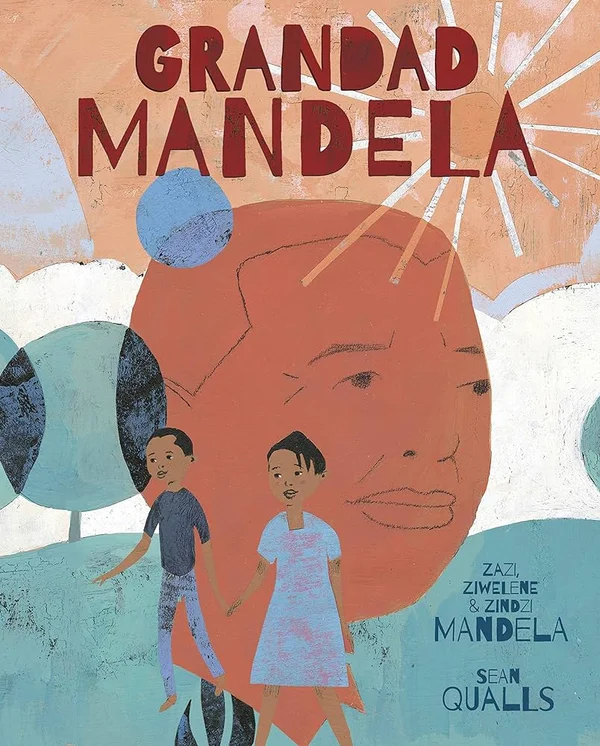
3rd & 4th Grade
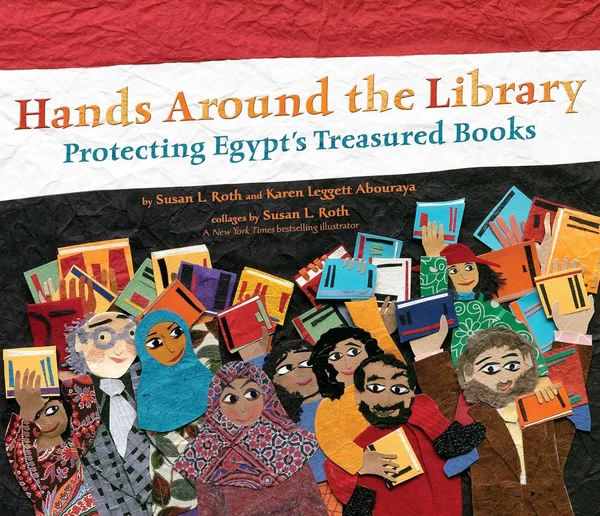
3rd & 4th Grade
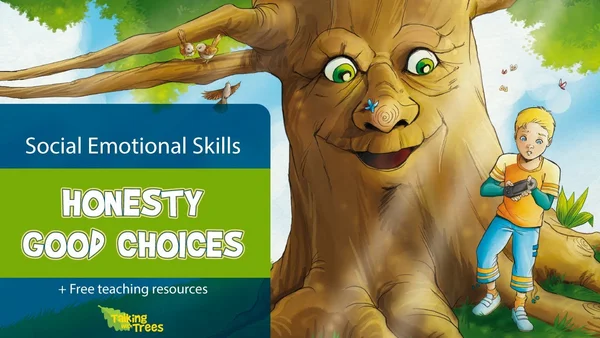
1st & 2nd Grade
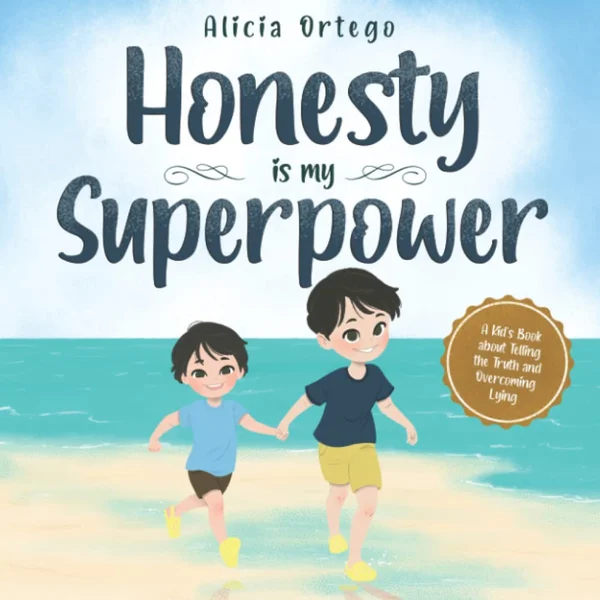
1st & 2nd Grade
1st & 2nd Grade
1st & 2nd Grade

3rd & 4th Grade
Pre-K & Kindergarten
5th & 6th Grade
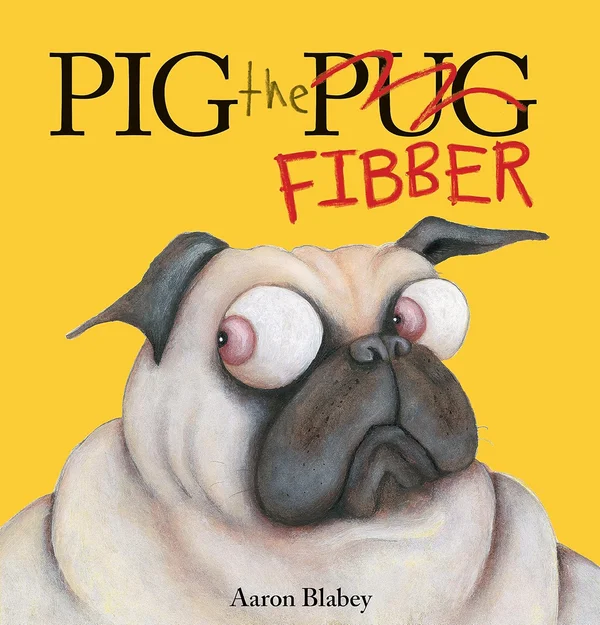
Pre-K & Kindergarten
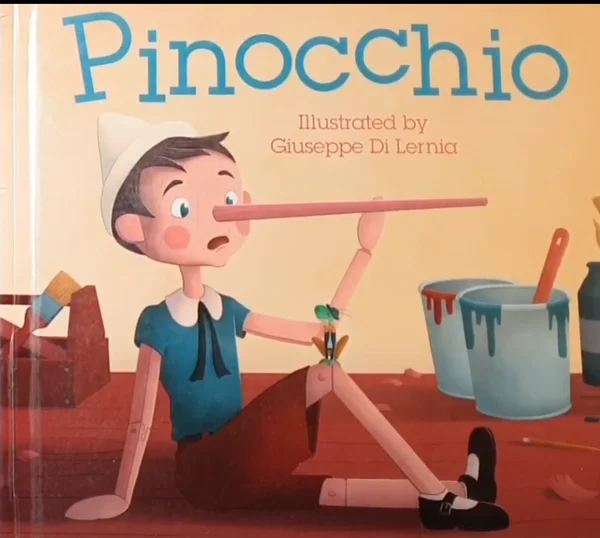
1st & 2nd Grade
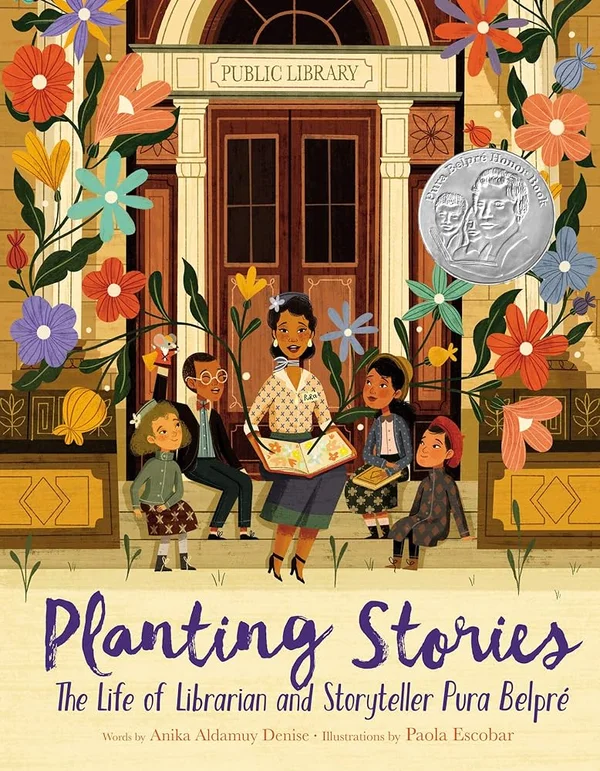
5th & 6th Grade
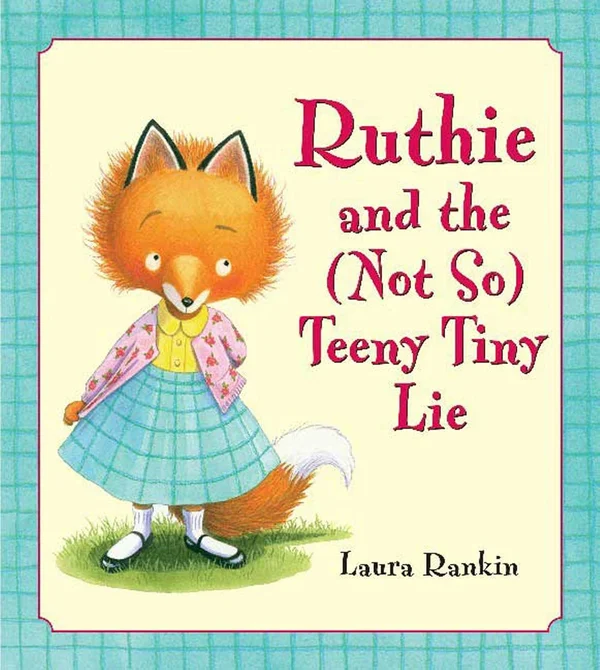
Pre-K & Kindergarten
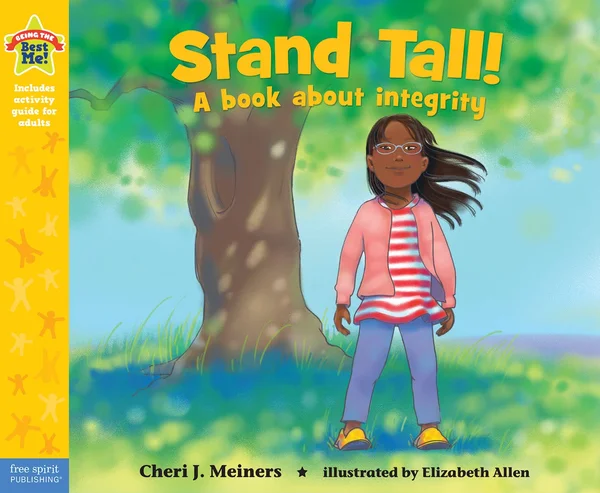
Pre-K & Kindergarten
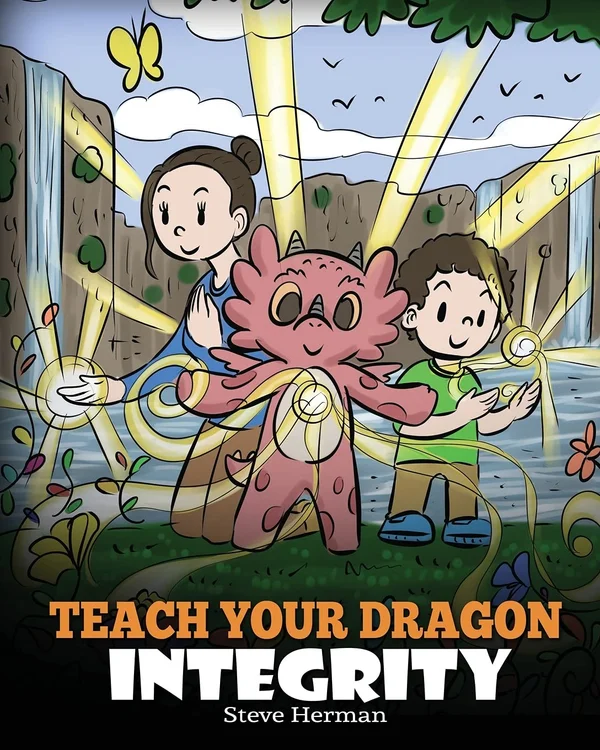
1st & 2nd Grade
Pre-K & Kindergarten
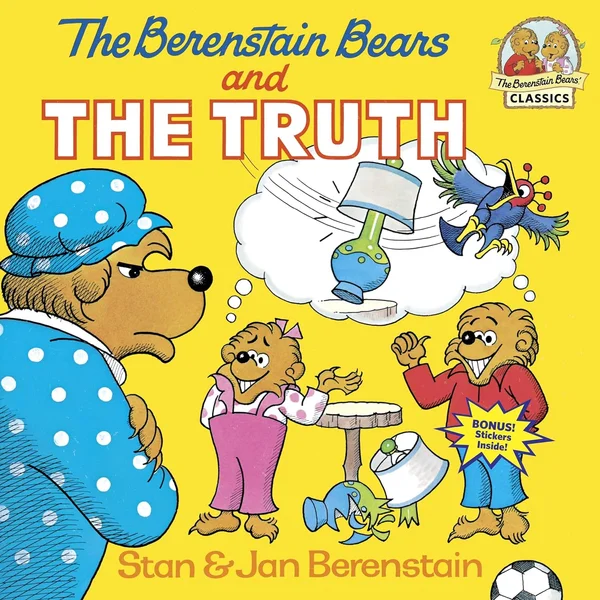
Pre-K & Kindergarten
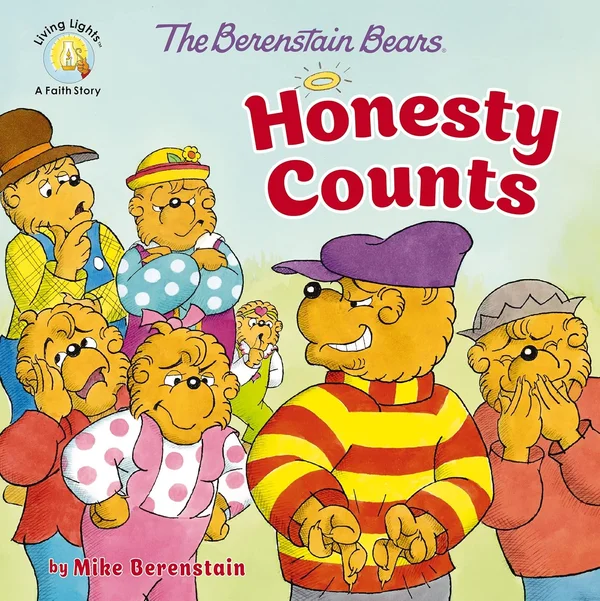
1st & 2nd Grade
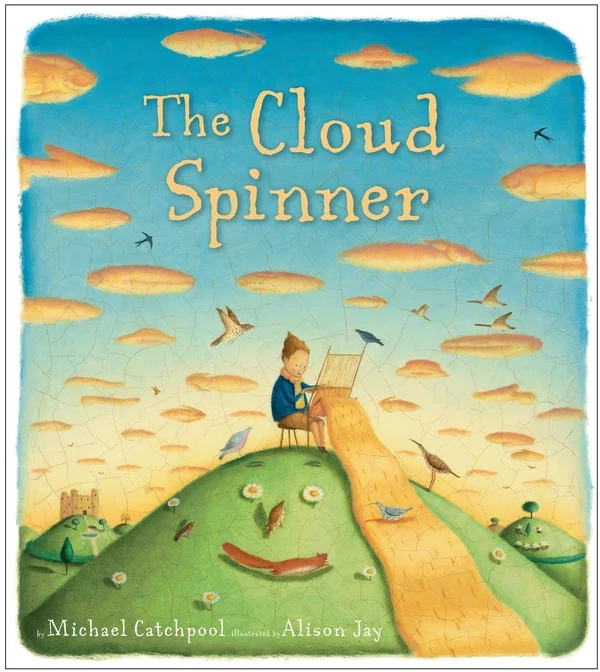
1st & 2nd Grade

3rd & 4th Grade

Pre-K & Kindergarten
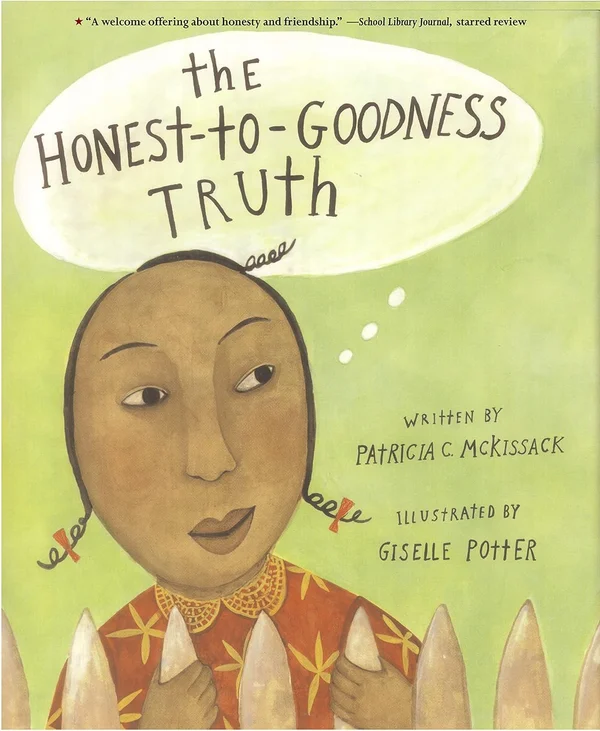
1st & 2nd Grade
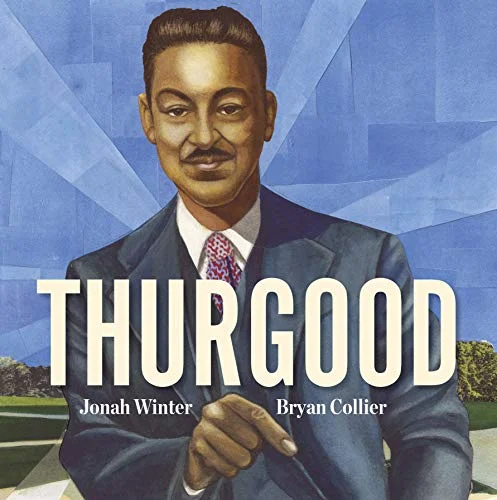
5th & 6th Grade
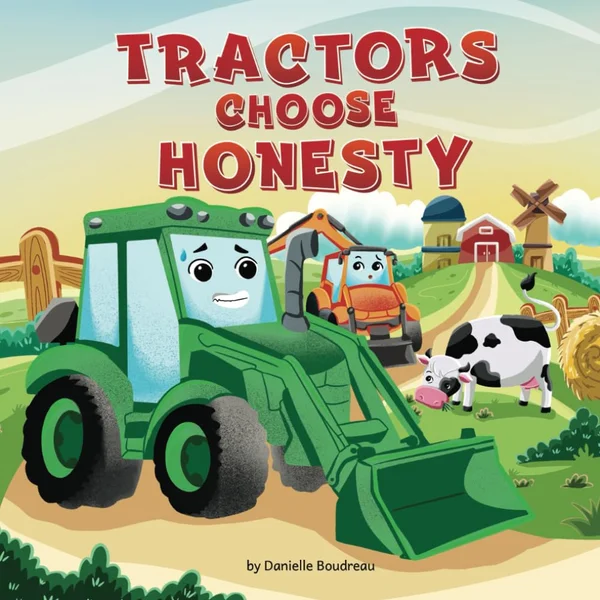
Pre-K & Kindergarten
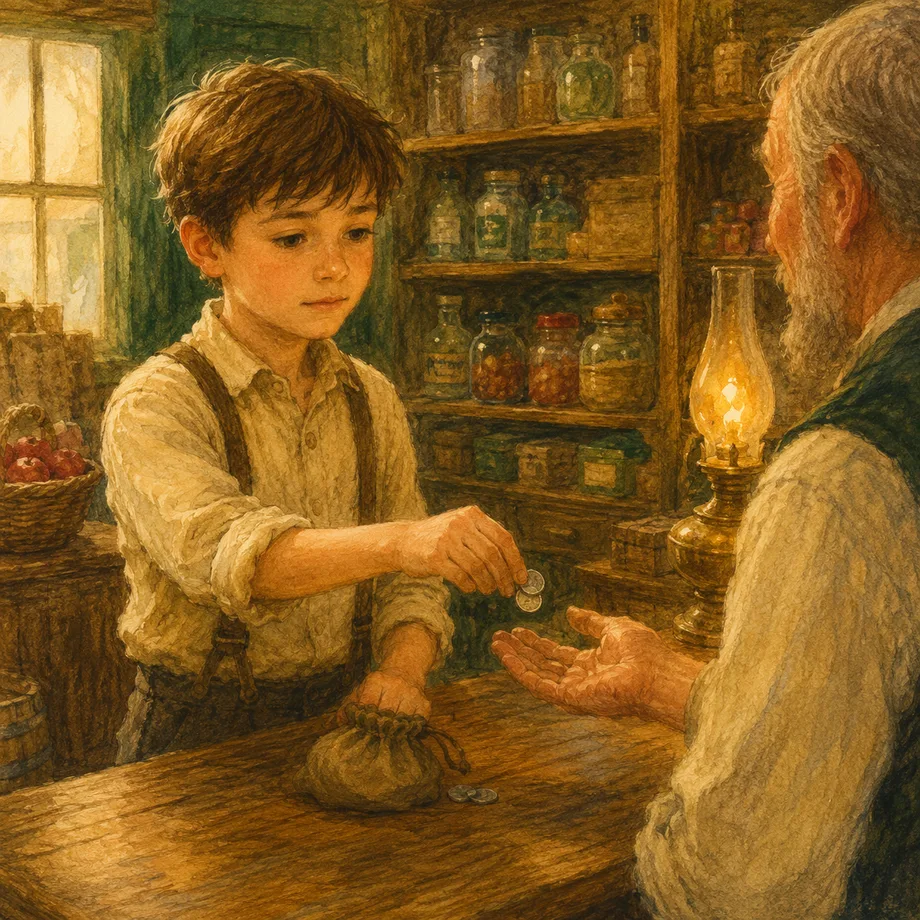
Integrity means doing the right thing even when it costs something. It is telling the truth when a lie would be easier. It is keeping a promise when breaking it would go unnoticed. It is the alignment between what you believe and how you actually behave. Integrity is one of the hardest virtues to teach because it is invisible most of the time. No one sees the moment a child decides to be honest. No one watches the small choice to keep a secret or admit a mistake. That is exactly why it matters so much. A child with integrity does not need an audience. They do the right thing because it is who they are.
“Integrity is not what you do when people are watching. It is who you are when they are not.”
This Integrity resource page is made possible through the generous support of a mission-aligned organization dedicated to strengthening families and character in children. Their partnership helps keep all guides and activities free for every family.
Learn about supporting a virtue page →What is integrity and why is it important for children?
Integrity is the practice of doing what is right even when it is difficult, inconvenient, or unobserved. For children, developing integrity builds the foundation for trustworthy relationships, personal accountability, and genuine self-respect. Children who develop strong integrity are better equipped to handle peer pressure, admit mistakes, and earn the trust of the people around them.
At what age can children learn integrity?
Children begin to understand the difference between right and wrong as early as ages 3 to 4. By ages 6 to 8, most children can grasp the idea that doing the right thing matters even when no one is watching. The guides on this page are organized by grade level so families can meet children exactly where they are developmentally and build from there.
How do you teach integrity to kids?
Integrity is best taught through story and conversation rather than rules and consequences. When a child reads about a character who faces a real choice between honesty and convenience, they practice the reasoning that integrity requires. Questions like 'Why did the character tell the truth even though it was hard?' or 'What would have happened if they had stayed quiet?' build the moral muscles that make integrity a habit rather than a rule.
What is the difference between integrity and honesty?
Honesty is telling the truth. Integrity is living truthfully. A child can be honest in the moment and still lack integrity if their actions consistently contradict their stated values. Integrity is the broader commitment. The alignment between what you believe, what you say, and what you do. Honesty is one expression of integrity, but integrity goes further.
What are good books to teach integrity to children?
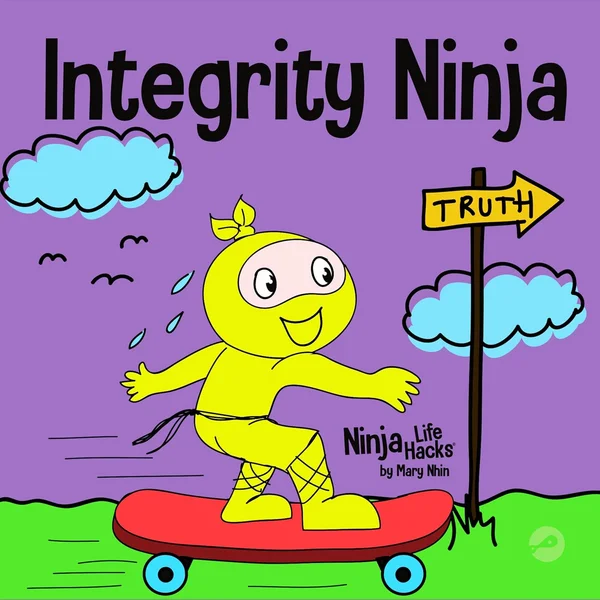
Values and Virtues has curated 32 book guides for integrity, organized by grade level. For K-2nd grade, 'Integrity Ninja' and 'Stand Tall!' are strong starting points for conversations about honesty and doing the right thing. For grades 3-5, 'Planting Stories' and 'The Empty Pot' explore integrity in situations where the truth is costly. All guides include free discussion questions available on this page.
How can I use books to start conversations about integrity with my child?
Values and Virtues provides free Guiding Questions for every book on this page. After reading together, pick two or three questions and let the conversation develop naturally. You do not need to teach a lesson or reach a conclusion. The goal is simply to get your child thinking about what integrity looks like and what it costs. Ten minutes of that kind of conversation builds something that lasts.
Is integrity a virtue?
Yes. Integrity is one of the most universally recognized virtues across philosophical traditions, civic education, and faith communities worldwide. It is the foundation of trust in every human relationship and institution. Values and Virtues includes integrity in its framework of 12 foundational virtues for children's character development.
What is Values and Virtues?
Values and Virtues is a nonprofit platform that helps parents and educators reconnect with children through guided book conversations. Built around 12 core virtues, it provides more than 400 guides and activities, free to read online, organized by virtue and grade level. It is operated by The Principled Academy Inc., a 501(c)(3) nonprofit.