Virtue: Responsibility
Responsibility.
Owning what is yours. Your choices, your actions, and their consequences.
Virtue: Responsibility
Owning what is yours. Your choices, your actions, and their consequences.
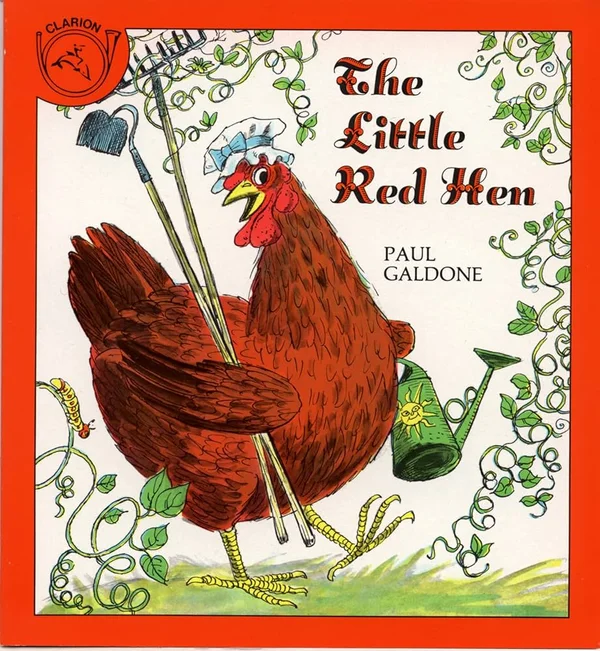
Pre-K & Kindergarten
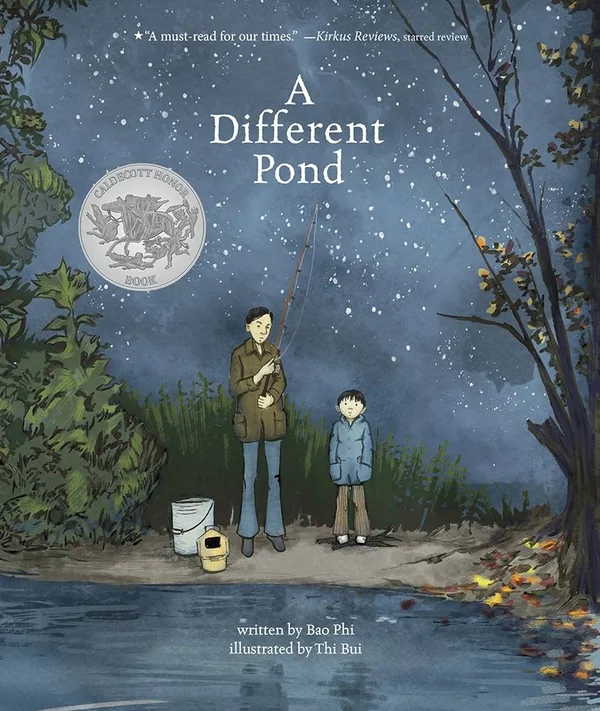
1st & 2nd Grade
3rd & 4th Grade
5th & 6th Grade
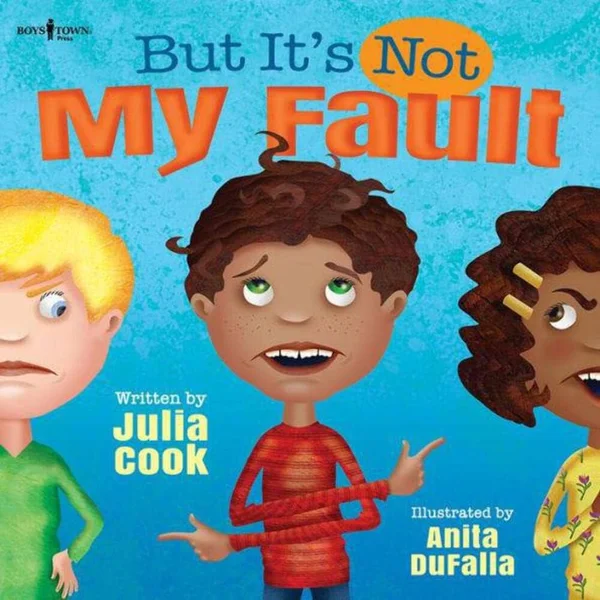
1st & 2nd Grade
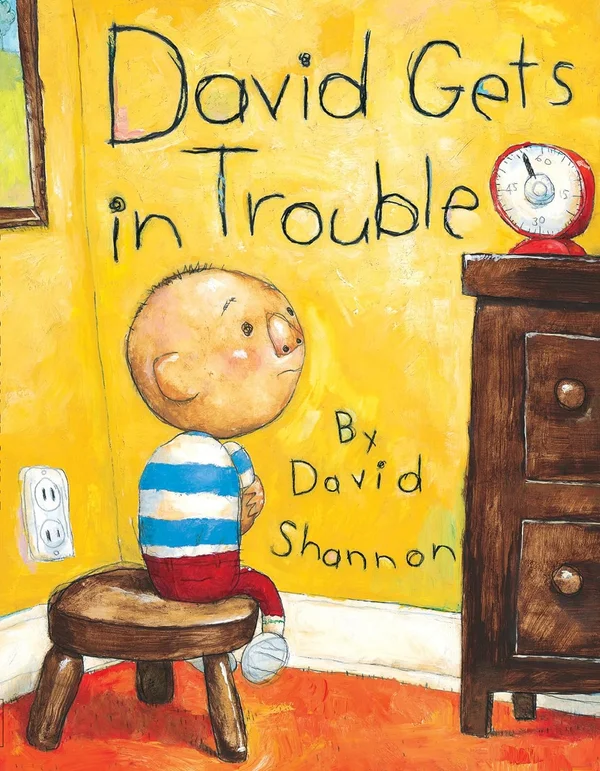
Pre-K & Kindergarten
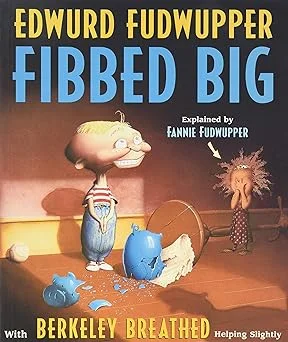
1st & 2nd Grade
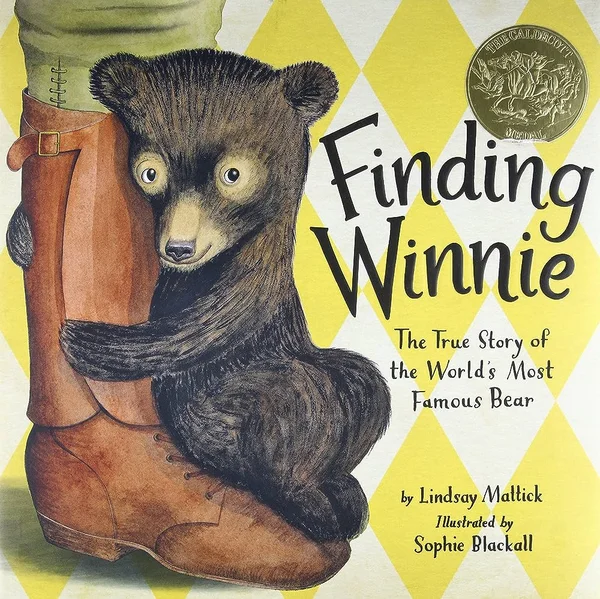
5th & 6th Grade
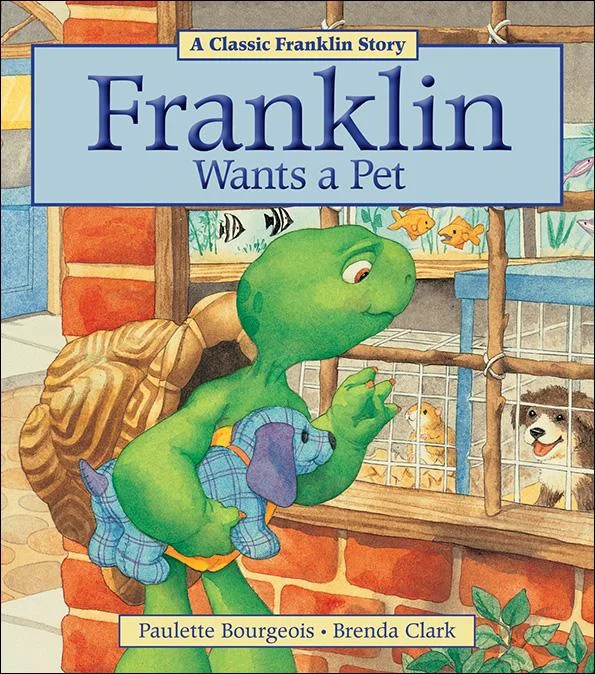
Pre-K & Kindergarten
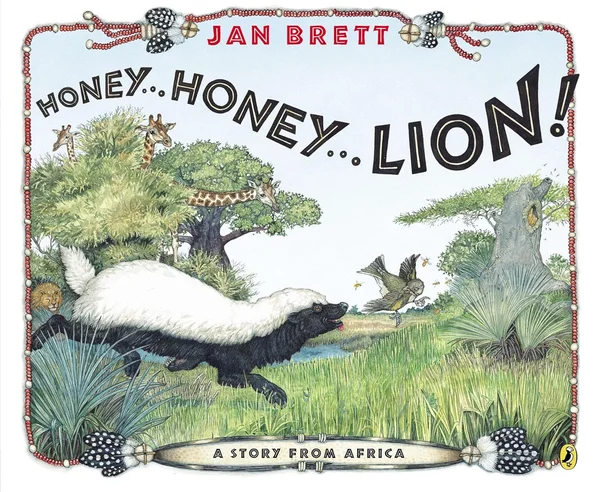
Pre-K & Kindergarten
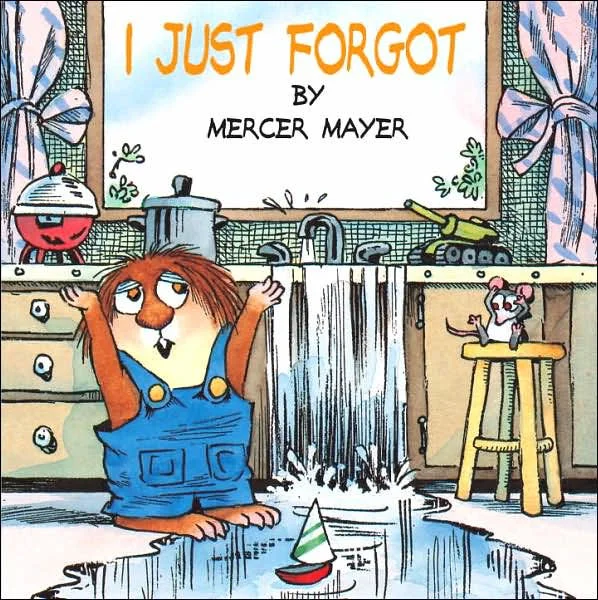
Pre-K & Kindergarten
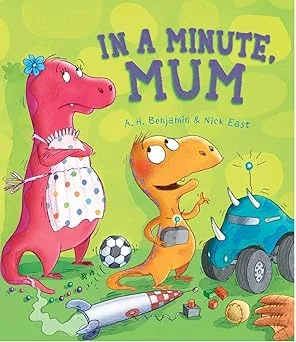
1st & 2nd Grade
Pre-K & Kindergarten
1st & 2nd Grade
1st & 2nd Grade
Pre-K & Kindergarten
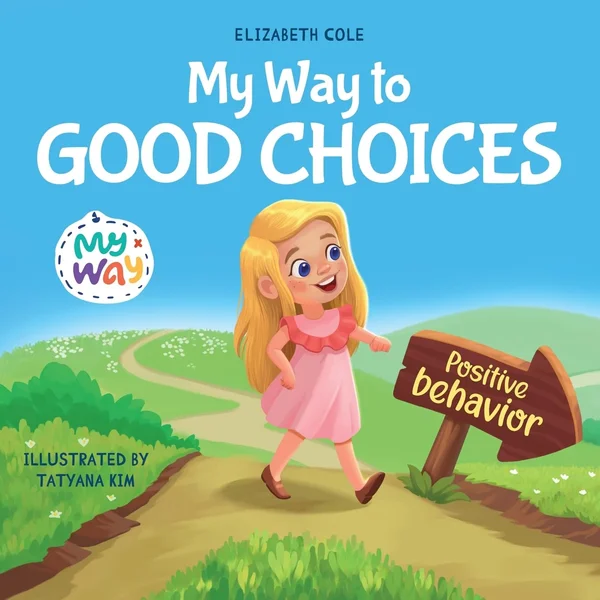
Pre-K & Kindergarten
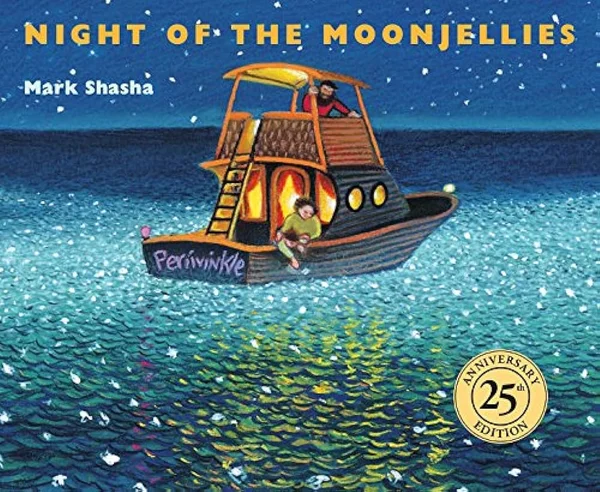
3rd & 4th Grade
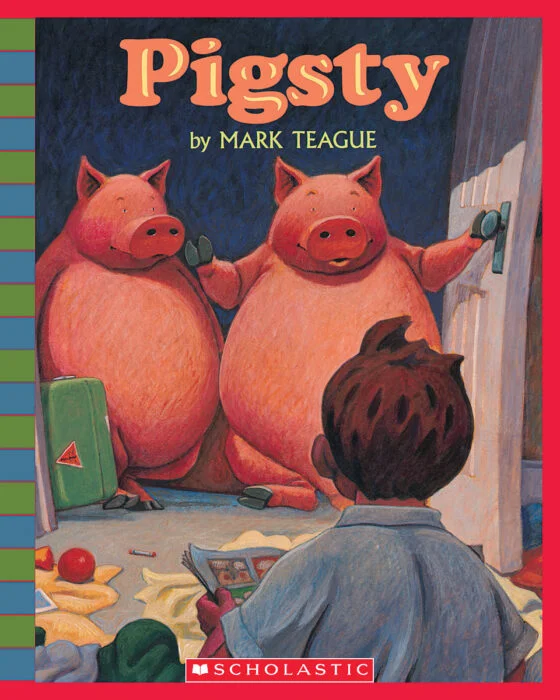
1st & 2nd Grade
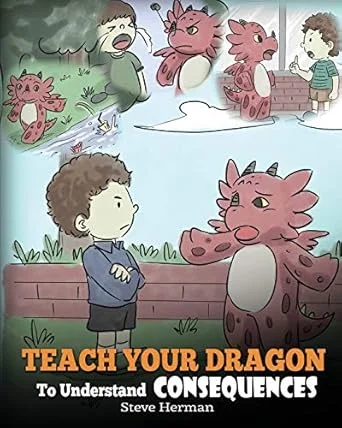
1st & 2nd Grade
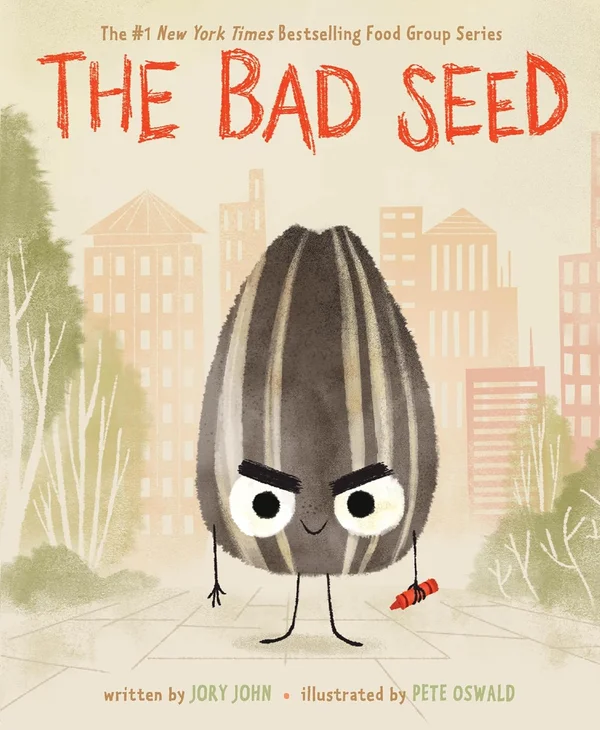
Pre-K & Kindergarten
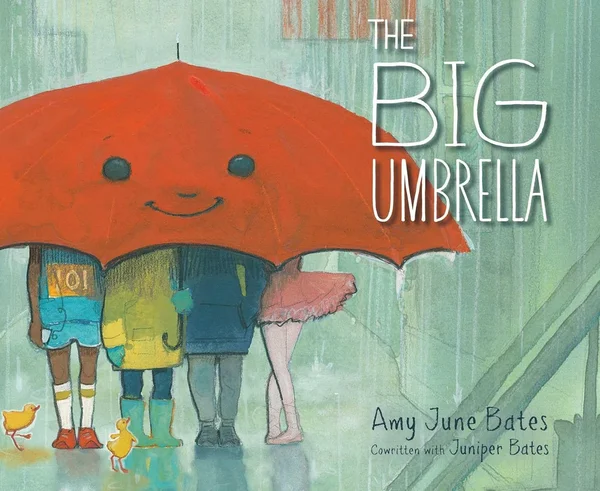
Pre-K & Kindergarten
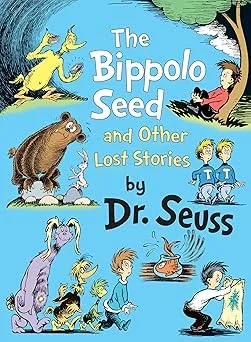
1st & 2nd Grade
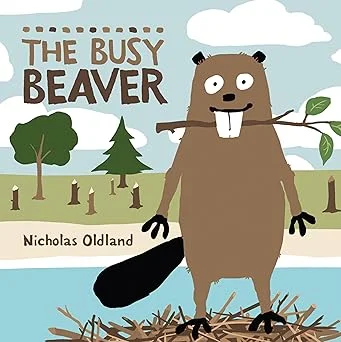
1st & 2nd Grade
1st & 2nd Grade

3rd & 4th Grade
1st & 2nd Grade
1st & 2nd Grade
3rd & 4th Grade

5th & 6th Grade
5th & 6th Grade
Responsibility means owning what is yours. Your choices. Your actions. The consequences that follow. A responsible child does not wait to be told what needs doing. They notice. They step up. They follow through. And when they make a mistake, they admit it rather than looking for someone else to blame. Responsibility grows in circles. It starts with taking care of yourself: your belongings, your schoolwork, your commitments. It expands to include other people: keeping promises, showing up when you said you would, making things right when you have caused harm. And it extends further still, to the community, the natural world, and the future that your choices are helping to shape. The guides on this page explore all of these dimensions.
“Responsibility is not a burden. It is proof that what you do matters.”
This Responsibility resource page is made possible through the generous support of a mission-aligned organization dedicated to strengthening families and character in children. Their partnership helps keep all guides and activities free for every family.
Learn about supporting a virtue page →What is responsibility and why is it important for children?
Responsibility is the practice of owning your choices, following through on your commitments, and making things right when you have caused harm. For children, developing responsibility builds the foundation for trustworthiness, resilience, and genuine self-respect. Children who develop a strong sense of personal accountability grow into adults who earn trust more easily, handle setbacks more effectively, and contribute more meaningfully to their families and communities.
At what age can children learn responsibility?
Children can begin learning simple forms of responsibility as early as ages 2 to 3, through small tasks like putting away toys or helping set the table. By ages 5 to 7, most children can begin to understand responsibility as a concept that includes following through on commitments and acknowledging mistakes. The guides on this page are organized by grade level so families can build responsibility at every developmental stage, starting with simple cause and effect for young readers and moving toward more complex questions of accountability and community for older ones.
How do you teach responsibility to kids?
Responsibility is best taught through story, natural consequences, and conversation rather than repeated instruction or punishment. When a child reads about a character who has to face what they have done and decide what to do about it, they practice the reasoning that responsibility requires. Questions like 'What do you think the character should have done differently?' or 'What would you do to make it right?' build the habit of accountability before the moment of decision arrives. The guides on this page are built around exactly that kind of conversation.
What is the difference between responsibility and obedience?
Obedience is doing what you are told when someone is watching. Responsibility is doing what is right because you understand that your choices matter. A child who is only obedient will stop following through the moment the adult leaves the room. A child who has internalized responsibility keeps their commitments because they see themselves as someone who can be counted on. That internal shift is what the guides on this page are designed to support.
What are good books to teach responsibility to children?
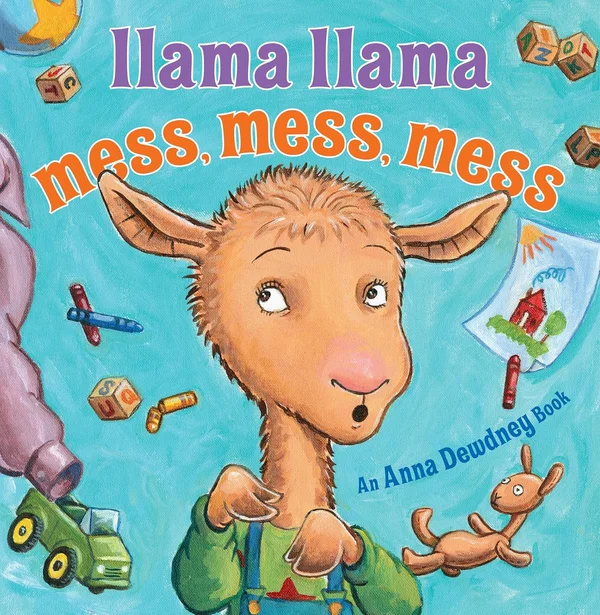
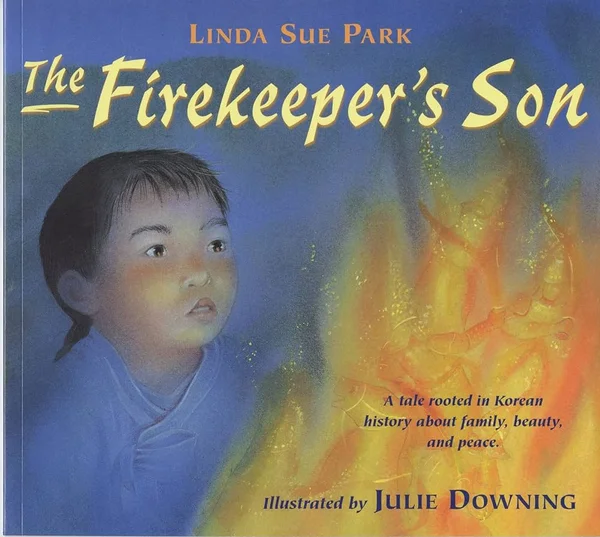
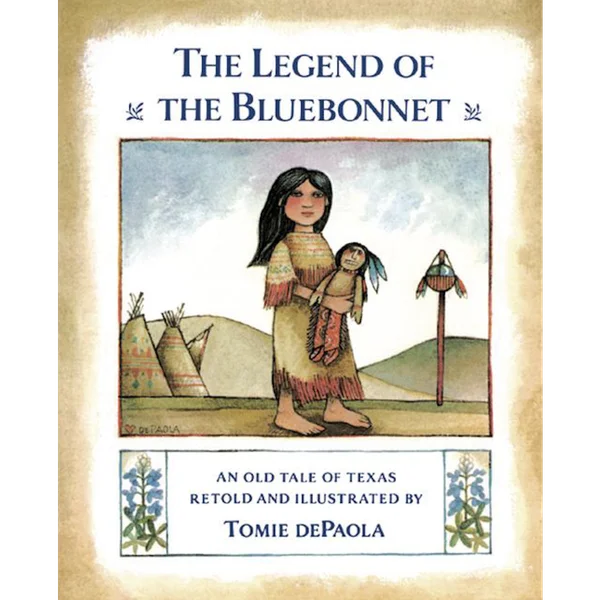
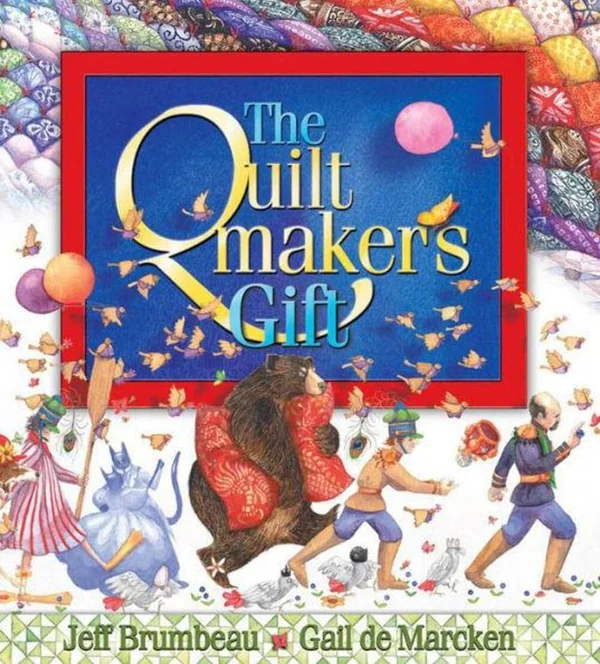
Values and Virtues has curated 31 book guides for responsibility, organized by grade level. For K-2nd grade, 'The Little Red Hen,' 'David Gets in Trouble,' and 'Llama Llama Mess, Mess, Mess' are engaging starting points for conversations about choices and consequences. For grades 3-5, 'The Firekeeper's Son,' 'The Legend of the Bluebonnet,' and 'A Different Pond' explore responsibility to family, community, and the natural world. For older readers, 'Finding Winnie' and 'The Quiltmaker's Gift' raise questions about what we owe to others. All guides include free discussion questions available on this page.
How can I use books to start conversations about responsibility with my child?
Values and Virtues provides free Guiding Questions for every book on this page. After reading together, pick two or three questions and let the conversation go where it needs to go. Responsibility is a topic children often feel defensive about, so starting with a character rather than a direct question makes honest conversation much more likely. Ten minutes of that kind of guided reflection does more than repeated reminders ever could.
Is responsibility a virtue?
Yes. Responsibility is recognized as a core virtue across philosophical traditions, civic education frameworks, and faith communities worldwide. It is closely linked to the classical virtue of justice, the commitment to give others what they are owed, including honesty when you have caused harm. Values and Virtues includes responsibility in its framework of 12 foundational virtues for children's character development.
What is Values and Virtues?
Values and Virtues is a nonprofit platform that helps parents and educators reconnect with children through guided book conversations. Built around 12 core virtues, it provides more than 400 guides and activities, free to read online, organized by virtue and grade level. It is operated by The Principled Academy Inc., a 501(c)(3) nonprofit.