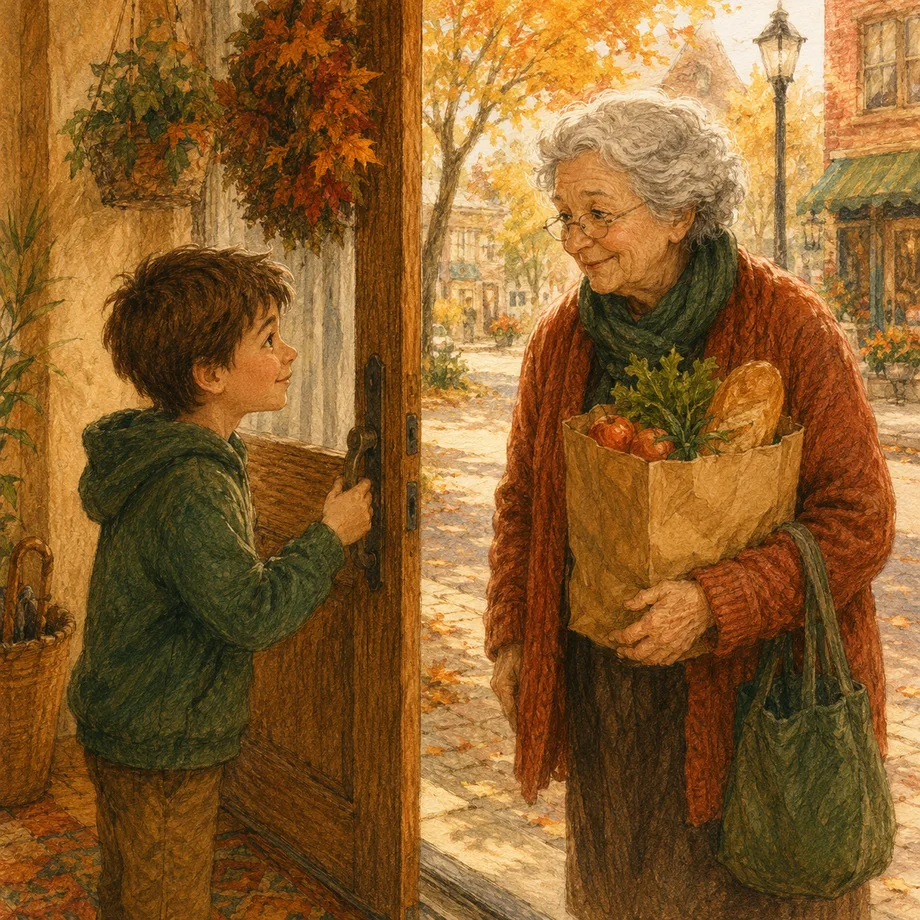
Virtue: Respect
Respect.
Treating every person, place, and living thing as if it matters. Because it does.
Virtue: Respect
Treating every person, place, and living thing as if it matters. Because it does.
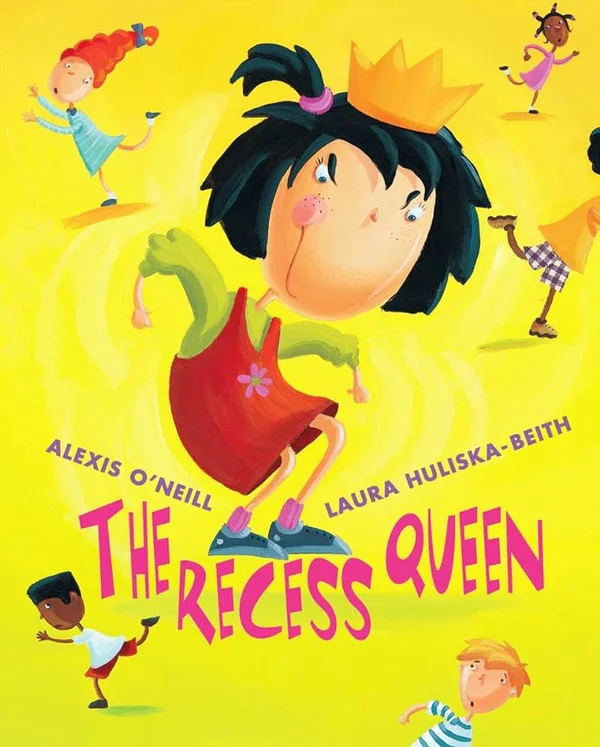
Pre-K & Kindergarten
Pre-K & Kindergarten
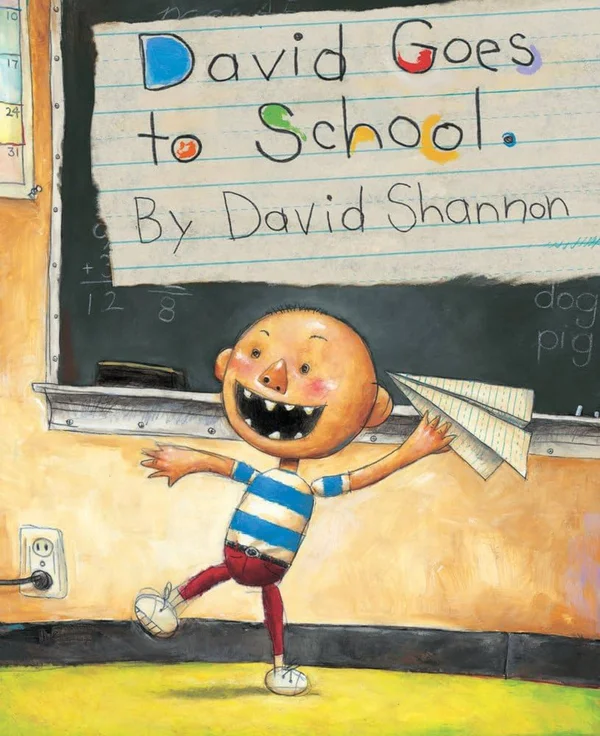
1st & 2nd Grade
Pre-K & Kindergarten
5th & 6th Grade
1st & 2nd Grade
Pre-K & Kindergarten
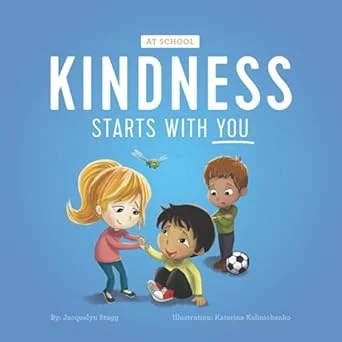
Pre-K & Kindergarten
5th & 6th Grade
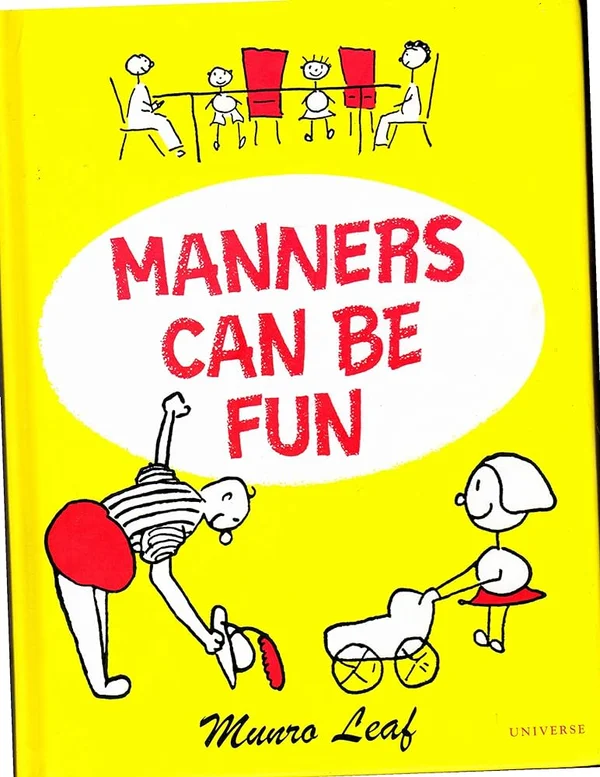
1st & 2nd Grade
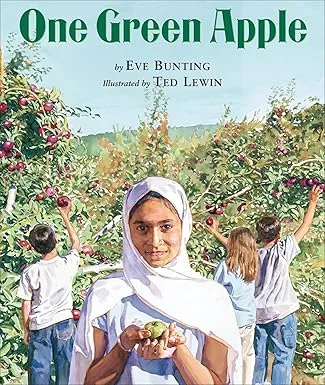
5th & 6th Grade
Pre-K & Kindergarten

3rd & 4th Grade
1st & 2nd Grade
Pre-K & Kindergarten
1st & 2nd Grade
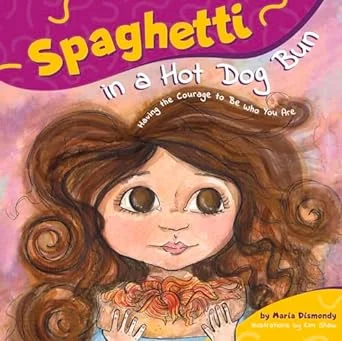
1st & 2nd Grade
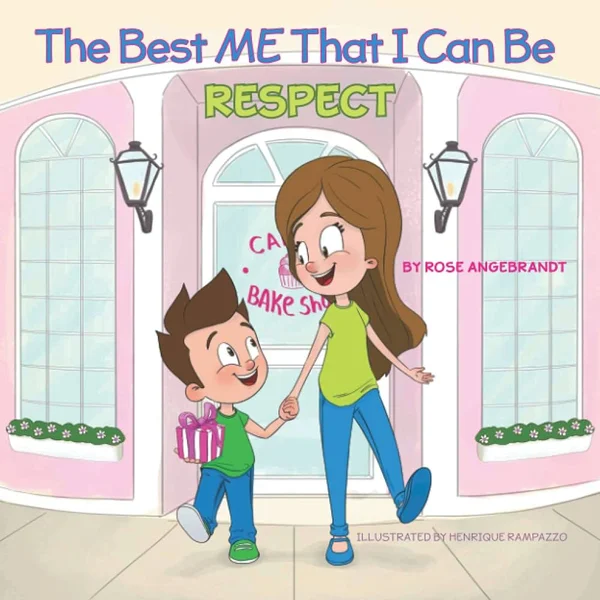
Pre-K & Kindergarten
1st & 2nd Grade

1st & 2nd Grade
3rd & 4th Grade
1st & 2nd Grade
1st & 2nd Grade
3rd & 4th Grade
3rd & 4th Grade
1st & 2nd Grade
Pre-K & Kindergarten
3rd & 4th Grade
Respect is the practice of recognizing that other people, places, and living things have worth. Not because they have earned it, not because they are like you, and not because you agree with them, but simply because they exist. Respect is the foundation of every other virtue we try to practice together. Without it, kindness becomes selective, cooperation becomes transactional, and justice becomes impossible. Respect takes many forms. It is the child who listens when someone else is speaking. It is the teenager who disagrees without belittling. It is the family that treats the natural world as something to care for rather than consume. It is the community that makes room for people who are different. The guides on this page explore all of these dimensions, from simple manners and personal space to civil rights, inclusion, and the relationship between human beings and the planet they share.
“Respect does not begin with grand gestures. It begins with how you treat the person standing right in front of you.”
This Respect resource page is made possible through the generous support of a mission-aligned organization dedicated to strengthening families and character in children. Their partnership helps keep all guides and activities free for every family.
Learn about supporting a virtue page →What is respect and why is it important for children?
Respect is the recognition that other people, places, and living things have inherent worth. For children, developing respect builds the foundation for healthy relationships, civil participation, and the ability to live well alongside people who are different from them. Children who develop genuine respect, not just compliance, are better equipped to navigate conflict, practice empathy across difference, and contribute to communities and institutions they share with others.
At what age can children learn respect?
Children begin learning the basics of respect, taking turns, using kind words, listening when someone else is speaking, as early as ages 2 to 3. By ages 5 to 7, most children can begin to understand respect as a broader concept that applies not just to people they know but to strangers, to differences, and to the natural world. The guides on this page are organized by grade level so families can build respect at every developmental stage.
How do you teach respect to kids?
Respect is best taught through story, modeling, and conversation rather than correction. When a child reads about a character who chooses to treat someone with dignity even when it is uncomfortable or costly, they experience respect from the inside. Questions like 'Why did that matter to the character?' or 'Have you ever been in a situation like that?' build the habit of respectful thinking before the moment of decision arrives. The guides on this page are built around exactly that kind of conversation.
What is the difference between respect and obedience?
Obedience is doing what you are told. Respect is recognizing that others have worth. A child can be obedient without being respectful, following rules while internally dismissing the people around them. And a child can be genuinely respectful while still disagreeing, pushing back, or asking questions. The goal of the guides on this page is not to produce compliant children. It is to produce children who actually see other people as worthy of care.
What are good books to teach respect to children?
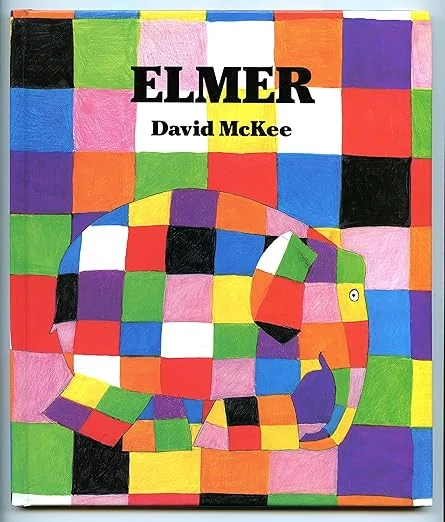
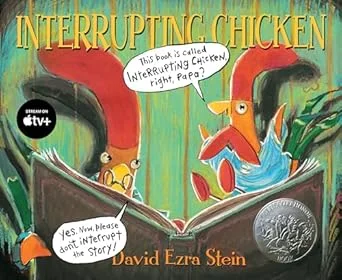
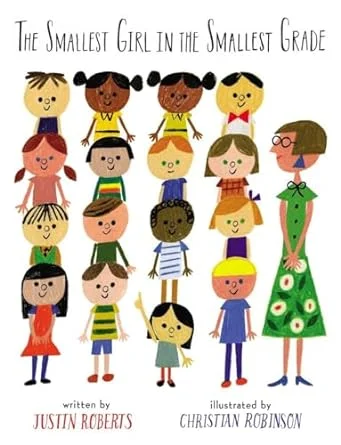
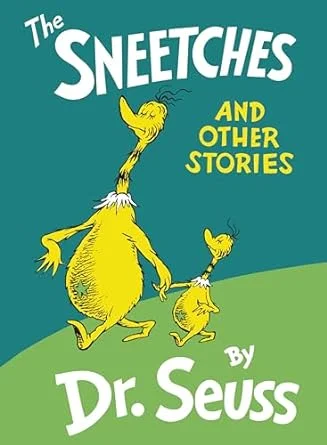
Values and Virtues has curated 40 book guides for respect, organized by grade level. This is the largest collection of any virtue on the site, reflecting how many forms respect takes. For K-2nd grade, 'The Sneetches,' 'Words Are Not for Hurting,' and 'Interrupting Chicken' are strong starting points. For grades 3-5, 'The Smallest Girl in the Smallest Grade,' 'One Green Apple,' and 'Elmer' explore respect across difference and belonging. For older readers, 'Revolutionary Friends,' 'Ruth and the Green Book,' and 'When Marian Sang' connect respect to civil rights and American history. All guides include free discussion questions available on this page.
How can I use books to start conversations about respect with my child?
Values and Virtues provides free Guiding Questions for every book on this page. After reading together, pick two or three questions and let the conversation go where it needs to go. Respect is a topic children often have strong feelings about, particularly around fairness and how they themselves have been treated. Starting with a character rather than a direct question makes it easier for children to engage honestly. Ten minutes of that kind of conversation builds something that a lecture never could.
Is respect a virtue?
Yes. Respect is recognized as a foundational virtue across philosophical traditions, civic education frameworks, and faith communities worldwide. It is the virtue that makes community possible, the baseline recognition that others deserve to be treated with care. Values and Virtues includes respect in its framework of 12 foundational virtues for children's character development.
What is Values and Virtues?
Values and Virtues is a nonprofit platform that helps parents and educators reconnect with children through guided book conversations. Built around 12 core virtues, it provides more than 400 guides and activities, free to read online, organized by virtue and grade level. It is operated by The Principled Academy Inc., a 501(c)(3) nonprofit.