Virtue: Hope
Hope.
The belief that tomorrow can be better, and the willingness to act as if it will be.
Virtue: Hope
The belief that tomorrow can be better, and the willingness to act as if it will be.
1st & 2nd Grade
5th & 6th Grade
Pre-K & Kindergarten
3rd & 4th Grade
1st & 2nd Grade
3rd & 4th Grade

5th & 6th Grade
Pre-K & Kindergarten
1st & 2nd Grade
5th & 6th Grade
5th & 6th Grade
Pre-K & Kindergarten
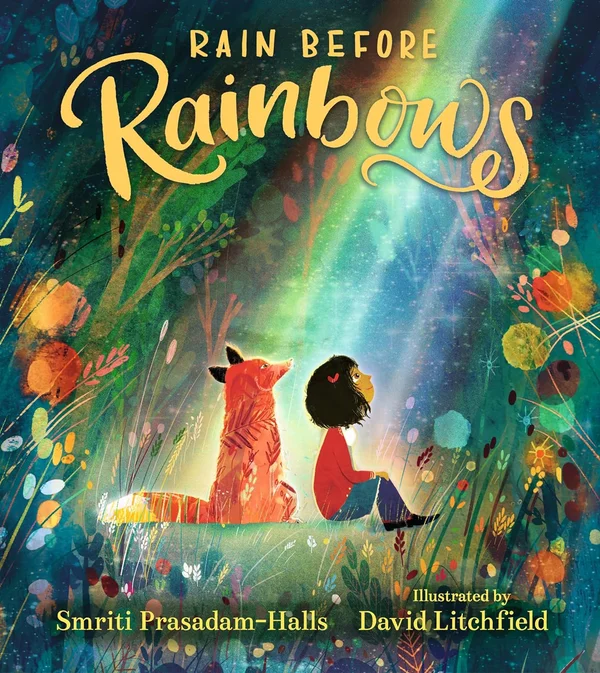
Pre-K & Kindergarten
3rd & 4th Grade
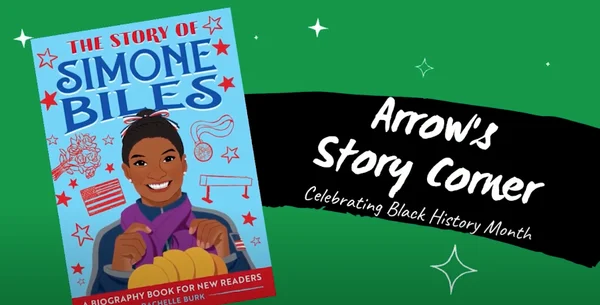
5th & 6th Grade
3rd & 4th Grade
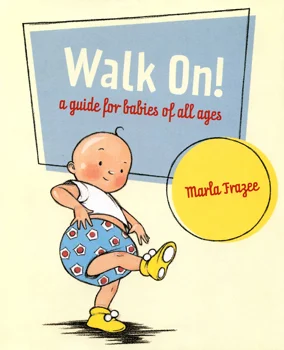
Pre-K & Kindergarten
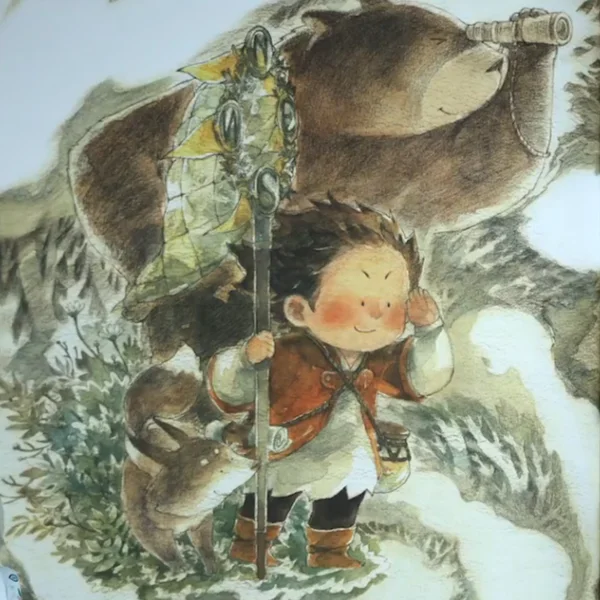
1st & 2nd Grade
Hope is not wishful thinking. It is not the belief that everything will work out fine on its own. Hope is active. It is the conviction that a better future is possible, combined with the willingness to do something about it. A child who hopes is a child who still believes their effort matters, even when results are uncertain. Hope is one of the most studied virtues in psychology precisely because its effects are so measurable. Children with strong hope set more meaningful goals, persist longer when they encounter obstacles, and find more creative paths when the first one closes. Hope is not a passive feeling. It is an active stance toward the future, one that has to be practiced, modeled, and nurtured. That is exactly what the stories on this page are designed to do.
“Hope is not a feeling you have about the future. It is a decision you make about how to face it.”
This Hope resource page is made possible through the generous support of a mission-aligned organization dedicated to strengthening families and character in children. Their partnership helps keep all guides and activities free for every family.
Learn about supporting a virtue page →What is hope and why is it important for children?
Hope is the belief that a better future is possible, combined with the motivation and confidence to work toward it. For children, developing hope builds the foundation for resilience, goal-setting, and the ability to recover from setbacks. Research consistently links hope to lower rates of anxiety and depression, higher academic achievement, and stronger relationships. Hopeful children are not simply more cheerful. They are more capable.
At what age can children learn hope?
Children begin to develop a sense of the future, and their ability to affect it, around ages 4 to 6. By ages 7 to 9, most children can begin to understand hope as an active orientation rather than a passive wish. The guides on this page are organized by grade level so families can build hope at every developmental stage, starting with simple stories about trying and not giving up, and moving toward more complex narratives about people who changed history by refusing to despair.
How do you teach hope to kids?
Hope is best taught through story rather than instruction. Lectures about being positive rarely build hope. Stories about real and fictional characters who faced genuine difficulty and chose to keep going do. When a child reads about someone who refused to give up and a parent asks 'What kept them going?' or 'Have you ever felt like that?', hope becomes something they can recognize in themselves. The guides on this page are built around exactly that kind of conversation.
What is the difference between hope and optimism?
Optimism is the general expectation that things will go well. Hope is more specific and more active. Hope involves a particular goal, a belief that the goal is reachable, and the motivation to find pathways toward it. A child can be naturally optimistic without being hopeful in this deeper sense. Building hope means building the specific habits of goal-setting, creative problem-solving, and persistence that allow a child to move toward something they care about even when it is hard.
What are good books to teach hope to children?
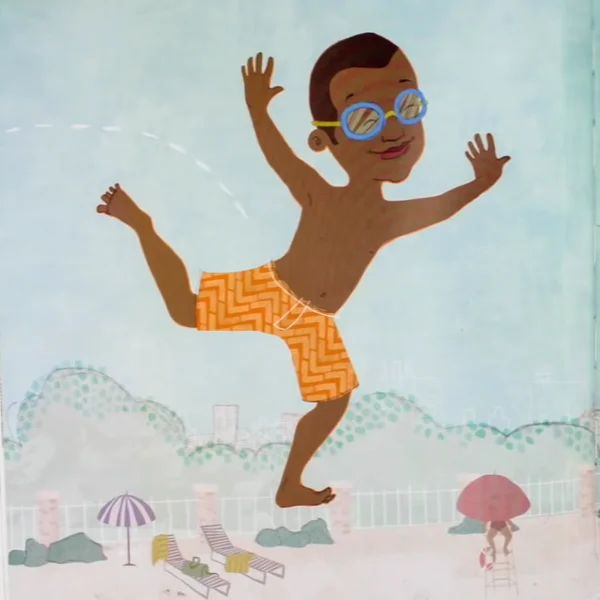
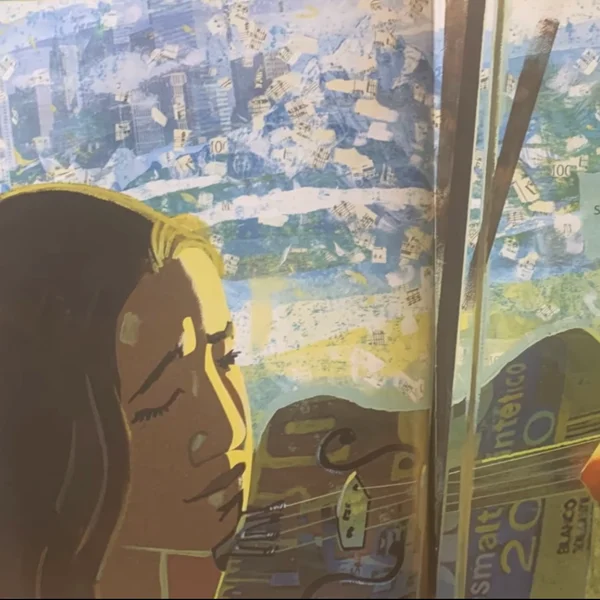
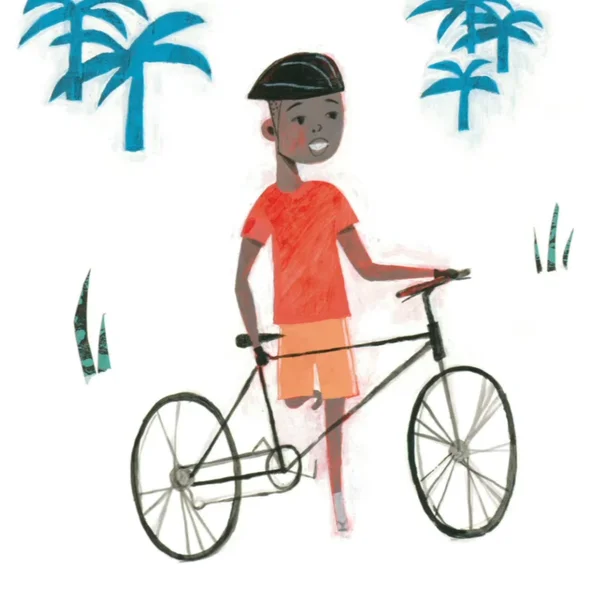
Values and Virtues has curated 34 book guides for hope, organized by grade level. For K-2nd grade, 'Jabari Jumps,' 'What Do You Do With a Chance?' and 'You're Here for a Reason' are warm starting points for conversations about trying and believing. For grades 3-5, 'The Oldest Student,' 'Harvesting Hope: The Story of Cesar Chavez,' and 'Ada's Violin' introduce real people who chose hope in hard circumstances. For older readers, 'Hidden Figures' and 'The Cats in Krasinski Square' explore hope in the face of systemic injustice and historical tragedy. All guides include free discussion questions available on this page.
How can I use books to start conversations about hope with my child?
Values and Virtues provides free Guiding Questions for every book on this page. After reading together, pick two or three questions and let the conversation go where it needs to go. You do not need to manufacture positivity or pressure your child toward cheerfulness. The goal is simply to help them see what hope looks like in action, and to find it in their own experience. Ten minutes of that kind of honest conversation is more useful than any pep talk.
Is hope a virtue?
Yes. Hope is recognized as a virtue across philosophical and religious traditions. In classical Christian theology it is one of the three theological virtues alongside faith and charity. In contemporary psychology, research on Hope Theory by C.R. Snyder has demonstrated that hope functions as a stable, learnable trait with measurable effects on wellbeing, academic performance, and resilience. Hope is not a mood. It is a character strength that can be cultivated. Values and Virtues includes hope in its framework of 12 foundational virtues for children's character development.
What is Values and Virtues?
Values and Virtues is a nonprofit platform that helps parents and educators reconnect with children through guided book conversations. Built around 12 core virtues, it provides more than 400 guides and activities, free to read online, organized by virtue and grade level. It is operated by The Principled Academy Inc., a 501(c)(3) nonprofit.