Virtue: Gratitude
Gratitude.
The practice of noticing what is good, and letting it matter.
Virtue: Gratitude
The practice of noticing what is good, and letting it matter.
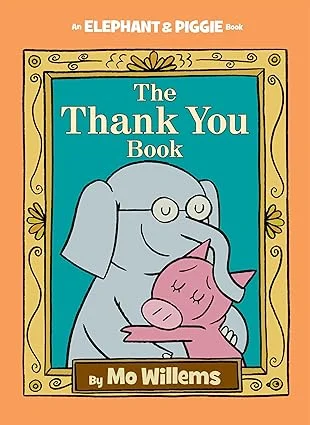
Pre-K & Kindergarten
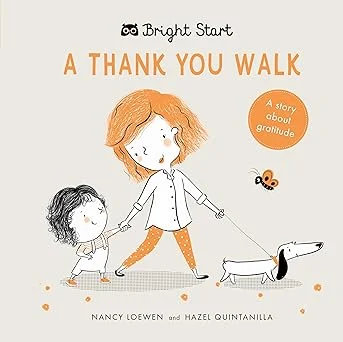
Pre-K & Kindergarten
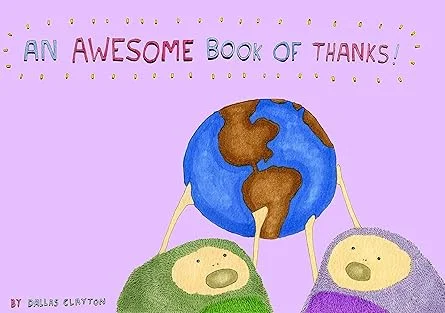
1st & 2nd Grade
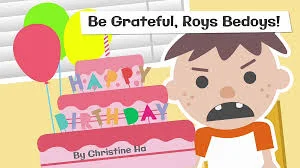
Pre-K & Kindergarten
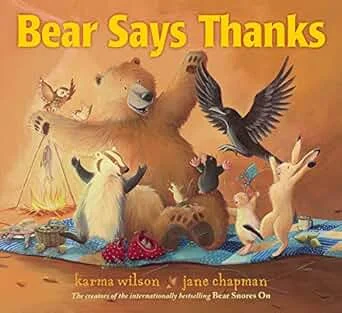
Pre-K & Kindergarten
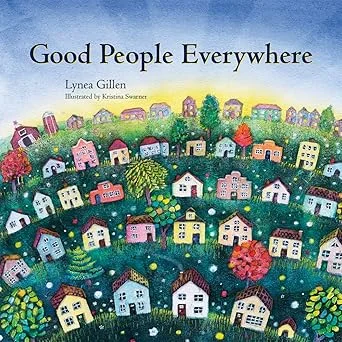
1st & 2nd Grade
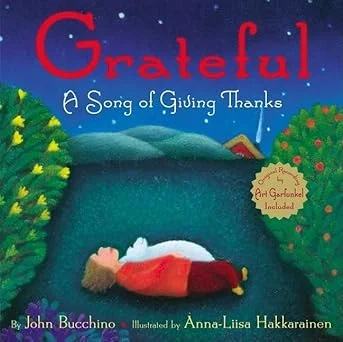
1st & 2nd Grade
1st & 2nd Grade
1st & 2nd Grade

3rd & 4th Grade
1st & 2nd Grade
1st & 2nd Grade
5th & 6th Grade

3rd & 4th Grade
Pre-K & Kindergarten
1st & 2nd Grade
3rd & 4th Grade
5th & 6th Grade
5th & 6th Grade
1st & 2nd Grade
1st & 2nd Grade
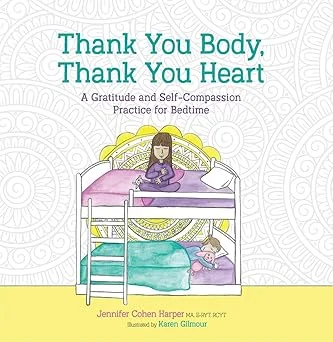
Pre-K & Kindergarten
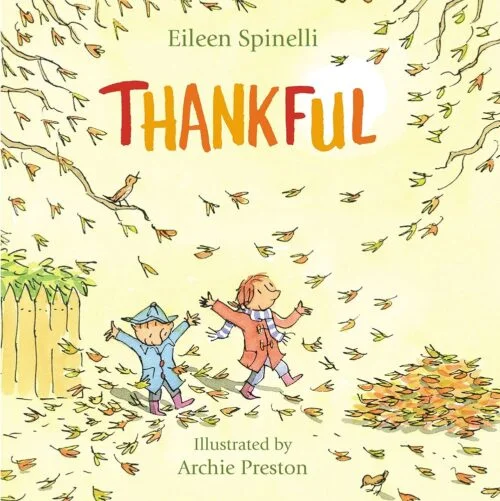
Pre-K & Kindergarten
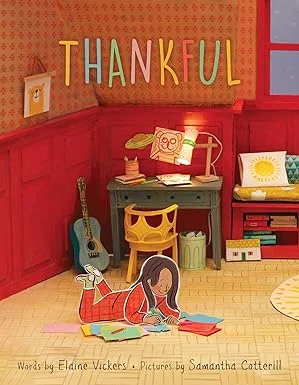
1st & 2nd Grade

5th & 6th Grade
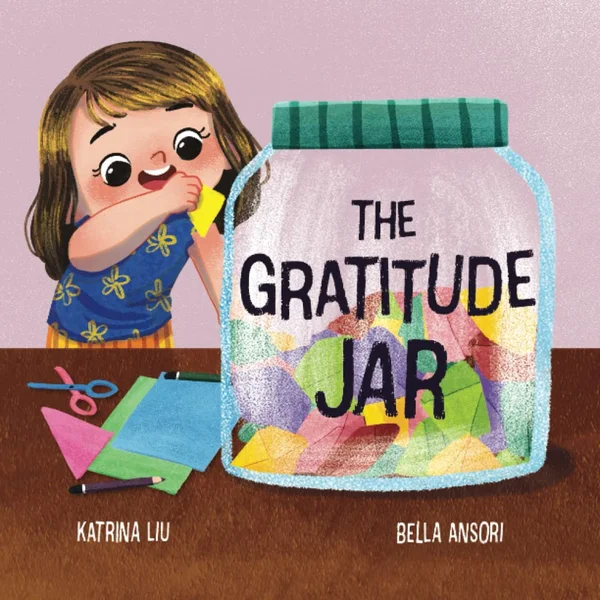
Pre-K & Kindergarten
3rd & 4th Grade
1st & 2nd Grade
Pre-K & Kindergarten
1st & 2nd Grade
1st & 2nd Grade

1st & 2nd Grade
1st & 2nd Grade
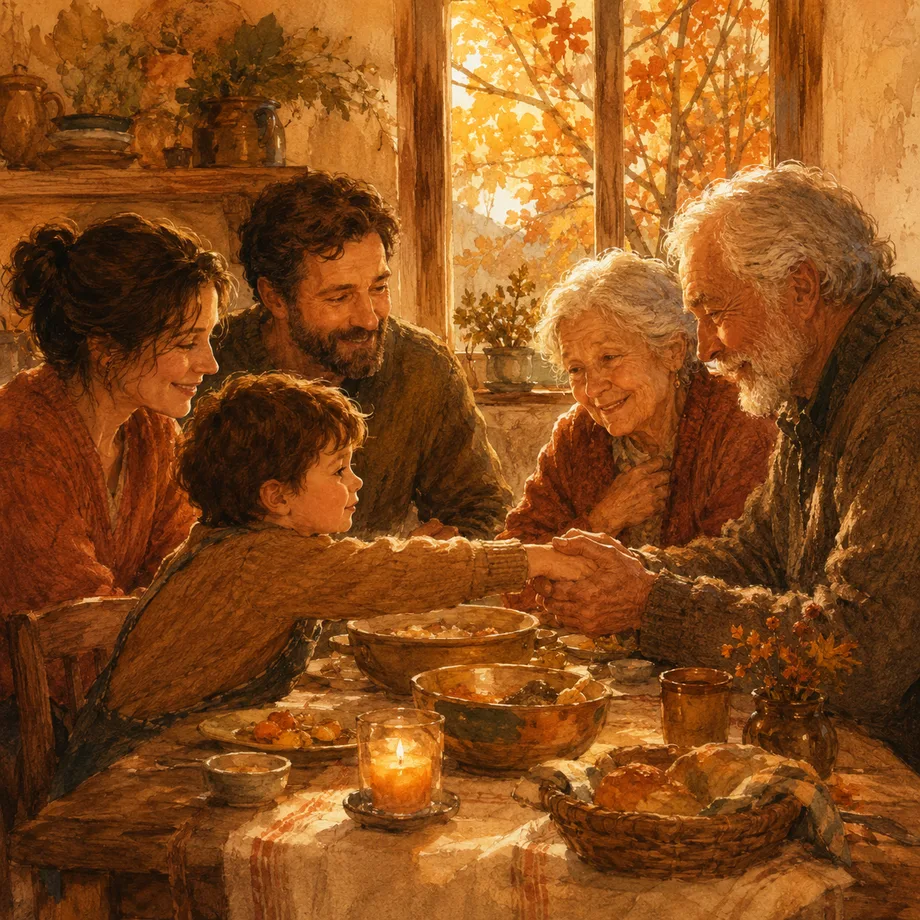
Gratitude is the practice of noticing what is already good. Not what you wish you had, but what is actually here. The meal on the table. The friend who called. The body that carried you through the day. Gratitude does not require that everything be fine. It requires only that something be worth noticing, and that you stop long enough to notice it. Gratitude is not the same as saying thank you, though that is a good place to start. Real gratitude is an orientation toward life. It is the habit of looking for what is present rather than fixating on what is absent. That habit does not come naturally to most people, and it certainly does not come naturally to most children. It has to be cultivated, practiced, and modeled. That is exactly what the guides on this page are designed to help you do.
“Gratitude is not a feeling you wait for. It is a practice you choose.”
This Gratitude resource page is made possible through the generous support of a mission-aligned organization dedicated to strengthening families and character in children. Their partnership helps keep all guides and activities free for every family.
Learn about supporting a virtue page →What is gratitude and why is it important for children?
Gratitude is the practice of recognizing and appreciating what is good in one's life. For children, developing gratitude builds the foundation for greater happiness, stronger relationships, and better mental health. Research consistently links regular gratitude practice to reduced anxiety, improved sleep, higher academic engagement, and a more positive overall outlook. Gratitude does not require that life be easy. It requires only that a child develop the habit of noticing what is worth appreciating.
At what age can children learn gratitude?
Children can begin learning gratitude as early as ages 3 to 4, when they start to understand that good things come from outside themselves and can be acknowledged. Simple practices like naming one good thing at dinner or writing a thank you note are effective at this age. The guides on this page are organized by grade level so families can build gratitude practices that grow with their child.
How do you teach gratitude to kids?
Gratitude is best taught through practice and story rather than instruction. When a child reads about a character who stops to notice something good, or who expresses thankfulness in a meaningful way, they experience gratitude from the inside. Questions like 'What do you think the character felt when they realized what they had?' or 'What is one thing from today that you are glad happened?' build the habit of grateful attention over time. The guides on this page are built around exactly that kind of conversation.
What is the difference between gratitude and saying thank you?
Saying thank you is a social courtesy. Gratitude is an inner orientation. A child can say thank you without feeling any gratitude, and a child can feel genuine gratitude without saying a word. The goal of the guides on this page is not to produce better manners, though that is a welcome side effect. The goal is to help children develop the deeper habit of noticing, valuing, and holding on to what is good in their lives.
What are good books to teach gratitude to children?
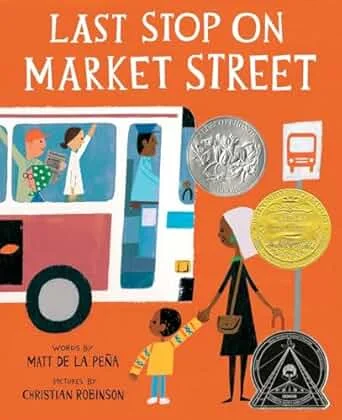
Values and Virtues has curated 33 book guides for gratitude, organized by grade level. For K-2nd grade, 'Last Stop on Market Street,' 'Those Shoes,' and 'Bear Says Thanks' are particularly powerful for conversations about noticing what you already have. For grades 3-5, 'The Gift of the Magi' and 'One Plastic Bag' open up deeper questions about appreciation and enough. All guides include free discussion questions available on this page.
How can I use books to start conversations about gratitude with my child?
Values and Virtues provides free Guiding Questions for every book on this page. After reading together, pick two or three questions and follow your child's lead. There are no right answers. The goal is simply to get your child looking at their own life through a lens of gratitude. Ten minutes of that kind of conversation, done regularly, builds one of the most protective habits a child can have.
Is gratitude a virtue?
Yes. Gratitude has been recognized as a moral and spiritual virtue across nearly every major philosophical and religious tradition. Cicero called it the mother of all virtues. Contemporary psychology has produced more research on gratitude than on almost any other positive trait, consistently confirming that grateful people live better, more connected, and more resilient lives. Values and Virtues includes gratitude in its framework of 12 foundational virtues for children's character development.
What is Values and Virtues?
Values and Virtues is a nonprofit platform that helps parents and educators reconnect with children through guided book conversations. Built around 12 core virtues, it provides more than 400 guides and activities, free to read online, organized by virtue and grade level. It is operated by The Principled Academy Inc., a 501(c)(3) nonprofit.