Virtue: Wonder
Wonder.
The ability to see the world as if for the first time, and feel that it matters.
Virtue: Wonder
The ability to see the world as if for the first time, and feel that it matters.
5th & 6th Grade

Pre-K & Kindergarten

3rd & 4th Grade
1st & 2nd Grade
1st & 2nd Grade
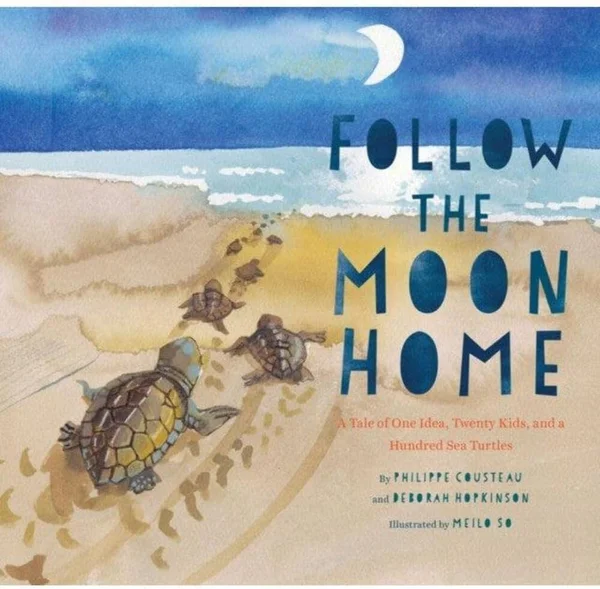
3rd & 4th Grade

5th & 6th Grade
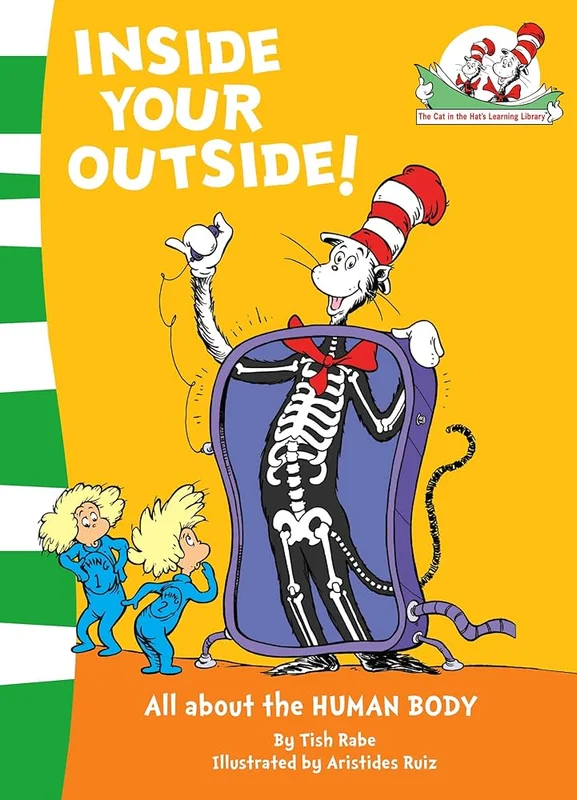
Pre-K & Kindergarten

1st & 2nd Grade
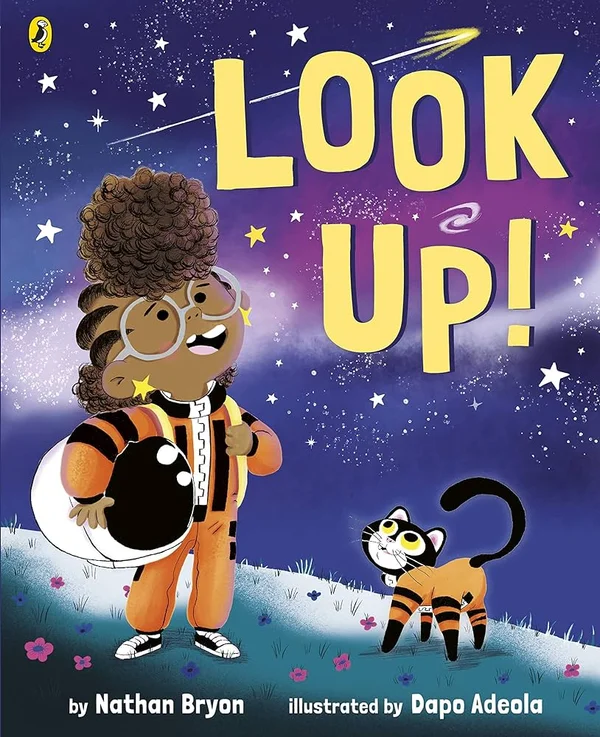
1st & 2nd Grade

Pre-K & Kindergarten
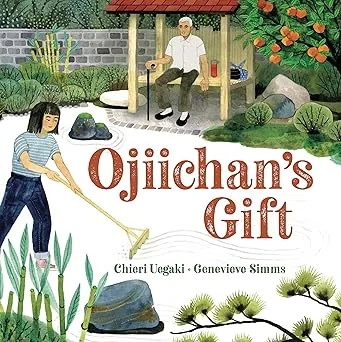
1st & 2nd Grade
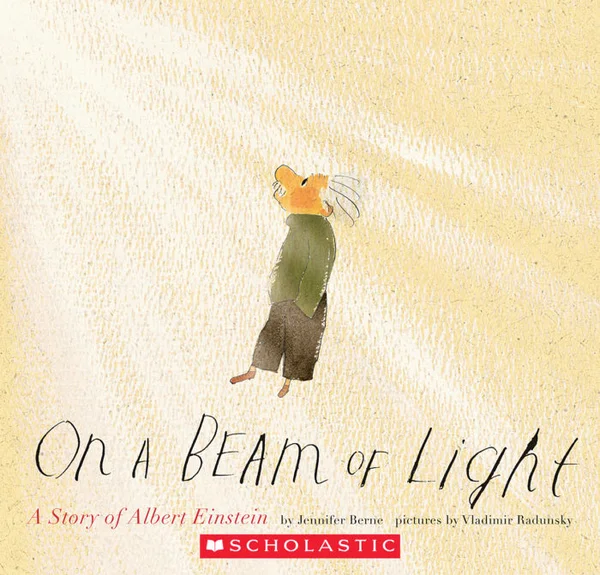
5th & 6th Grade
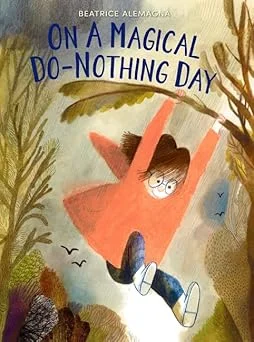
1st & 2nd Grade
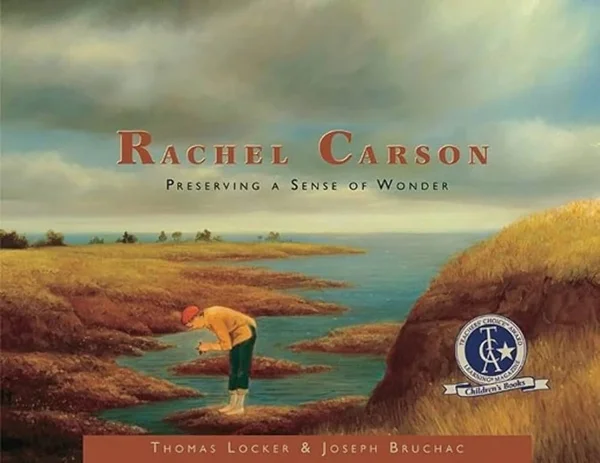
3rd & 4th Grade
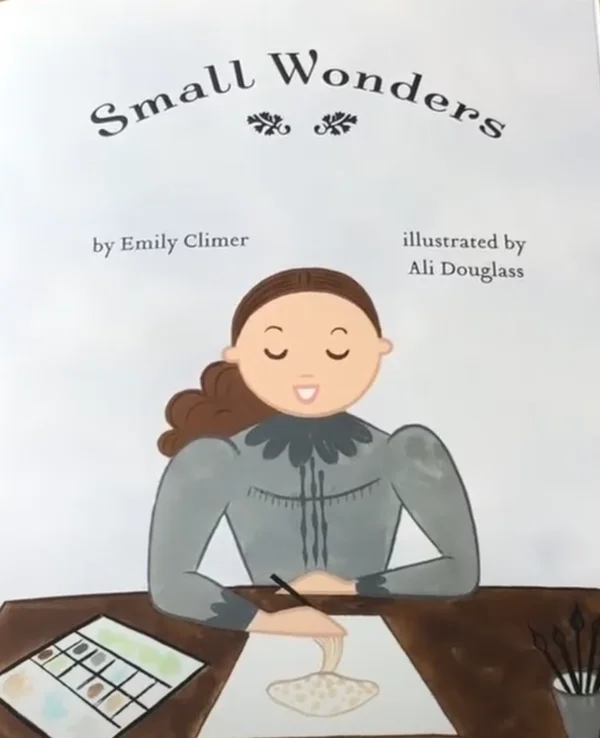
1st & 2nd Grade
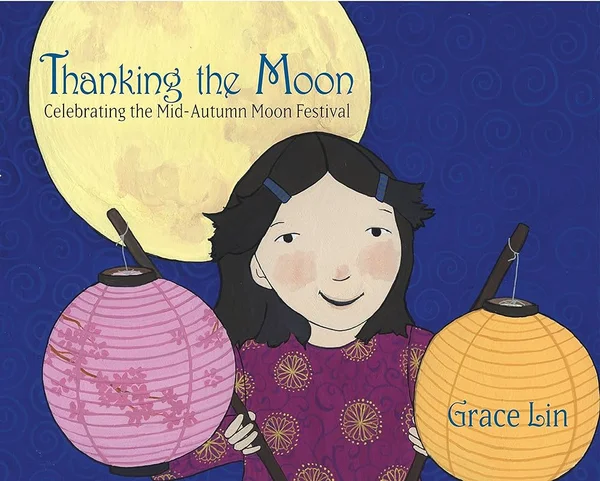
1st & 2nd Grade
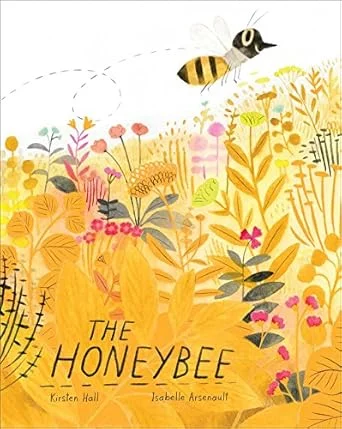
Pre-K & Kindergarten
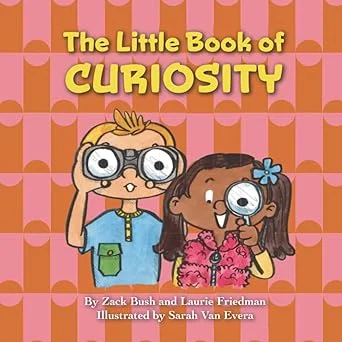
Pre-K & Kindergarten
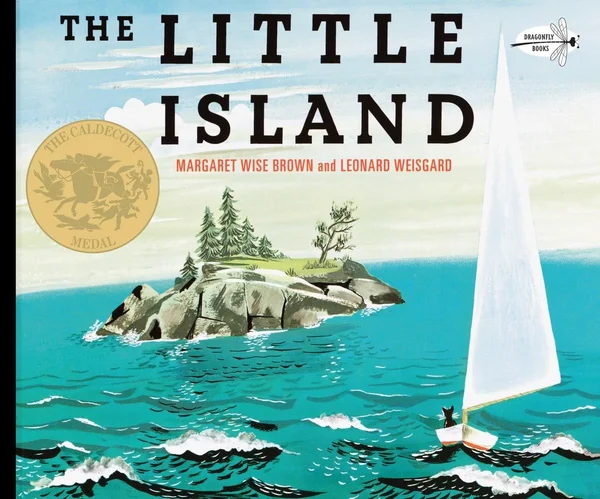
Pre-K & Kindergarten
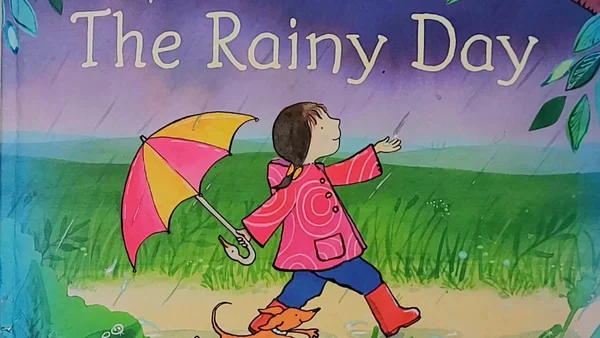
Pre-K & Kindergarten
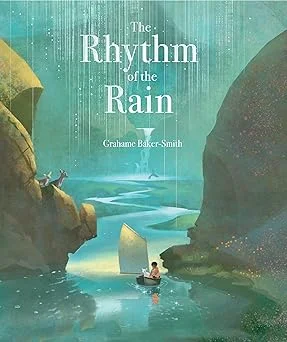
1st & 2nd Grade
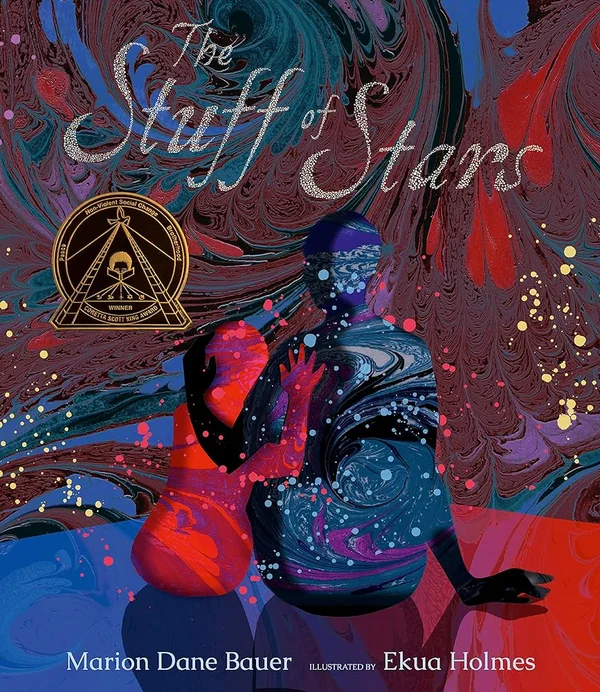
5th & 6th Grade
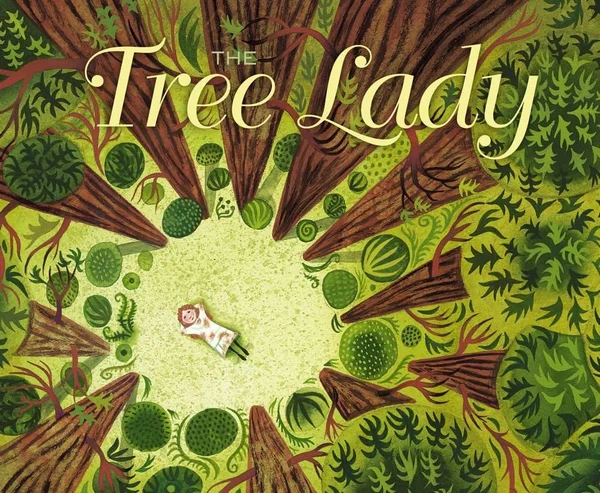
3rd & 4th Grade

3rd & 4th Grade
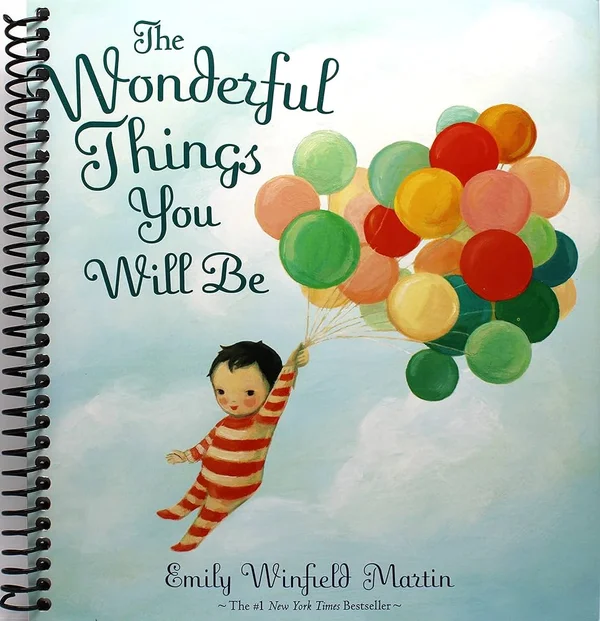
Pre-K & Kindergarten

Pre-K & Kindergarten
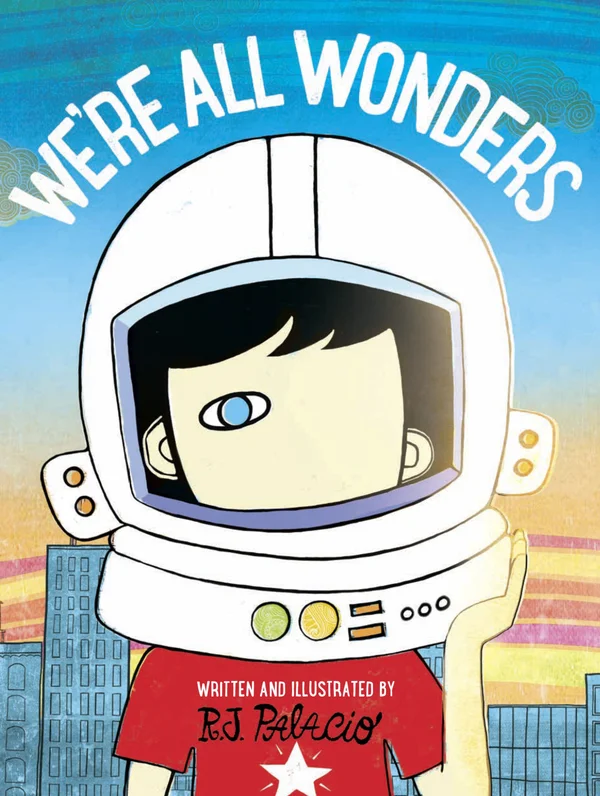
1st & 2nd Grade
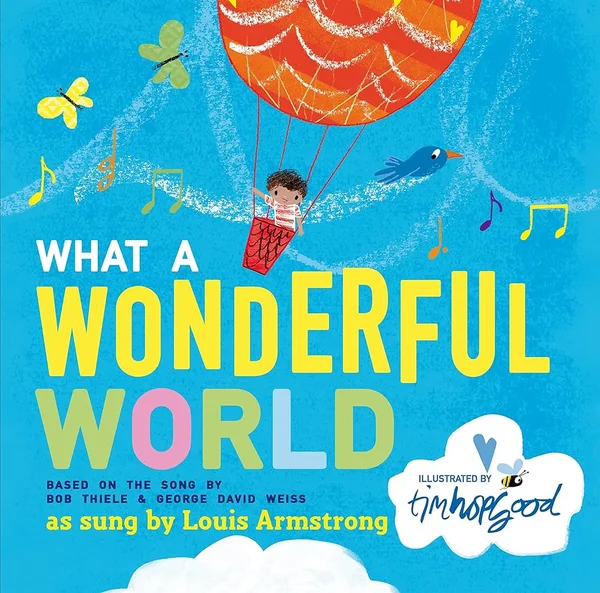
Pre-K & Kindergarten
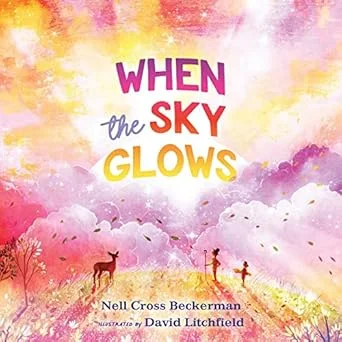
1st & 2nd Grade
Wonder is the feeling that the world is bigger, stranger, and more beautiful than you expected. It is the pause before the question. The moment a child stops at a tide pool, or looks up at stars, or asks why the sky is blue and really wants to know. Wonder is not just curiosity. It is the emotional response to realizing that the world is worth paying attention to. Wonder is the root of learning. Children who retain their sense of wonder grow into adults who keep asking questions, who find meaning in small things, and who are rarely bored. It is also one of the first things that screens can crowd out. Not because screens are bad, but because wonder requires slowness, and screens are built for speed. Protecting a child's sense of wonder is one of the most important things a parent can do.
“Wonder is not something you teach. It is something you protect.”
This Wonder resource page is made possible through the generous support of a mission-aligned organization dedicated to strengthening families and character in children. Their partnership helps keep all guides and activities free for every family.
Learn about supporting a virtue page →What is wonder and why is it important for children?
Wonder is the capacity to be moved by the world. It is the feeling a child gets when they encounter something beautiful, strange, or surprising and want to understand it more deeply. For children, a strong sense of wonder is linked to greater curiosity, higher academic engagement, deeper empathy, and better mental health. Children who retain their wonder grow into adults who find meaning in everyday life and remain genuinely interested in the world around them.
At what age can children experience wonder?
Wonder is present from infancy. Babies are born primed to be astonished. The question for parents is not when wonder begins, but how to protect it as children grow older and their attention is increasingly competed for. The guides on this page are organized by grade level so families can use age-appropriate books to keep wonder alive at every stage of childhood.
How do you cultivate wonder in children?
The most effective way to cultivate wonder is to slow down together. Nature, books, and open-ended questions are the most reliable tools. When a child reads a story about the universe, a river, or a rainy day and a parent asks 'What do you think about that?' rather than 'What is the answer?', wonder gets practiced. The guides on this page are built around exactly that kind of conversation.
What is the difference between wonder and curiosity?
Curiosity is the drive to find out. Wonder is the feeling that there is something worth finding out about. They work together, but wonder comes first. A child who has lost their sense of wonder has also lost the motivation to be curious. Restoring wonder is often the first step toward restoring a love of learning.
What are good books to teach wonder to children?
Values and Virtues has curated 30 book guides for wonder, organized by grade level. For K-2nd grade, 'When the Sky Glows' and 'We're All Wonders' are beautiful starting points for conversations about noticing and belonging. For grades 3-5, 'Grand Canyon' and 'The Stuff of Stars' open up bigger questions about the natural world. All guides include free discussion questions available on this page.
How can I use books to start conversations about wonder with my child?
Values and Virtues provides free Guiding Questions for every book on this page. After reading together, pick two or three questions and follow your child's lead. The goal is not to explain wonder. The goal is to experience it together. Ten minutes of that kind of conversation does something that no amount of screen time can replicate.
Is wonder a virtue?
Yes. Wonder is recognized across philosophical, scientific, and spiritual traditions as a foundational disposition for human flourishing. Aristotle described wonder as the beginning of philosophy. Albert Einstein credited his entire scientific career to a sense of wonder he never outgrew. Values and Virtues includes wonder in its framework of 12 foundational virtues for children's character development.
What is Values and Virtues?
Values and Virtues is a nonprofit platform that helps parents and educators reconnect with children through guided book conversations. Built around 12 core virtues, it provides more than 400 guides and activities, free to read online, organized by virtue and grade level. It is operated by The Principled Academy Inc., a 501(c)(3) nonprofit.