Virtue: Patience
Patience.
The ability to wait, to slow down, and to stay kind when everything in you wants to rush.
Virtue: Patience
The ability to wait, to slow down, and to stay kind when everything in you wants to rush.
Pre-K & Kindergarten
1st & 2nd Grade

Pre-K & Kindergarten
Pre-K & Kindergarten
Pre-K & Kindergarten

Pre-K & Kindergarten
1st & 2nd Grade
1st & 2nd Grade
1st & 2nd Grade
1st & 2nd Grade
3rd & 4th Grade
1st & 2nd Grade
1st & 2nd Grade

5th & 6th Grade
Pre-K & Kindergarten
Pre-K & Kindergarten

1st & 2nd Grade
5th & 6th Grade
Pre-K & Kindergarten
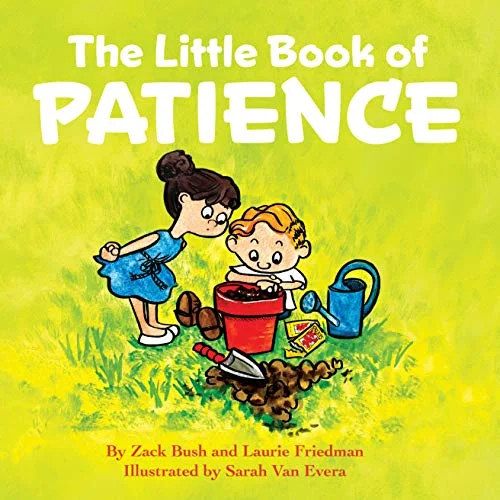
Pre-K & Kindergarten
5th & 6th Grade

5th & 6th Grade
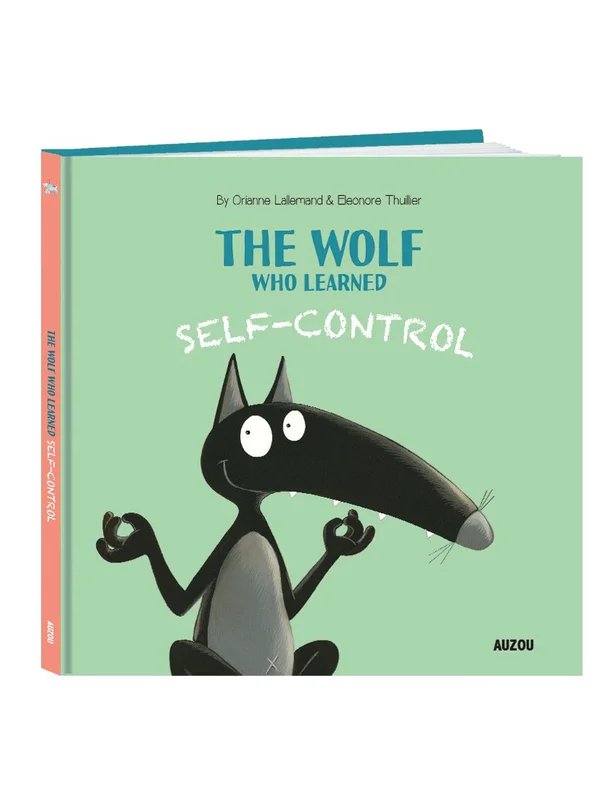
1st & 2nd Grade

Pre-K & Kindergarten
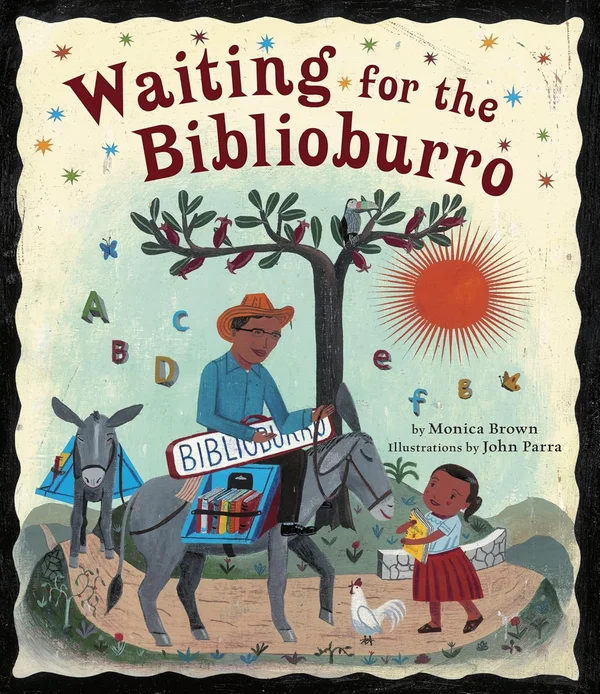
1st & 2nd Grade
Pre-K & Kindergarten
3rd & 4th Grade
1st & 2nd Grade
3rd & 4th Grade
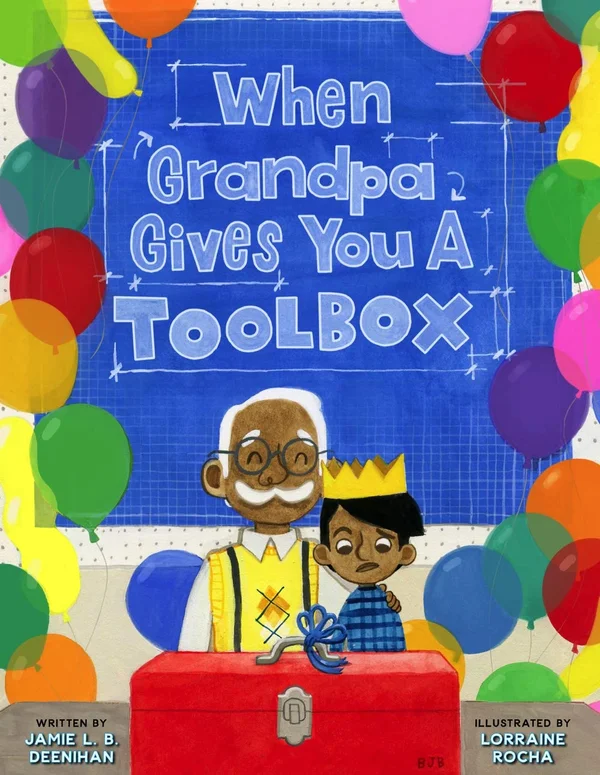
1st & 2nd Grade
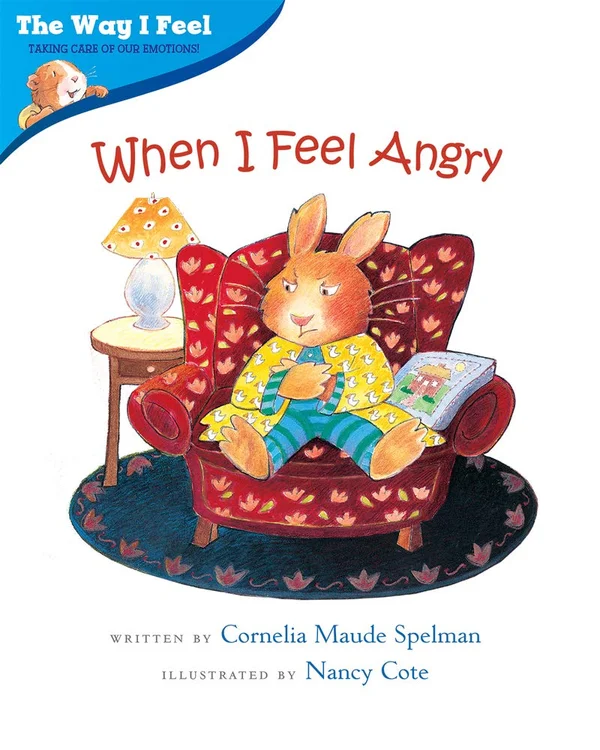
1st & 2nd Grade
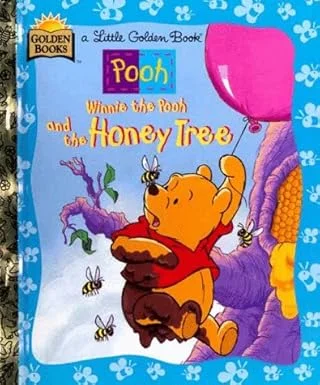
1st & 2nd Grade
3rd & 4th Grade
Patience is the ability to wait without falling apart. It is staying calm when a situation is frustrating, staying kind when you feel like snapping, and staying present when everything in you wants to rush ahead or give up. Patience is not passive. It is an active choice to hold yourself steady when the world is not moving at the speed you want. Patience and self-control are close relatives. A child who is learning patience is also learning to notice the feeling of frustration before it becomes an outburst, to pause before reacting, and to choose a response rather than simply having one. These skills are among the most predictive of long-term success and wellbeing that researchers have identified. Children who develop patience and impulse control earlier in life tend to have stronger relationships, better academic outcomes, and greater emotional resilience throughout their lives.
“Patience is not waiting. It is how you act while you wait.”
This Patience resource page is made possible through the generous support of a mission-aligned organization dedicated to strengthening families and character in children. Their partnership helps keep all guides and activities free for every family.
Learn about supporting a virtue page →What is patience and why is it important for children?
Patience is the ability to tolerate frustration, delay, or difficulty without losing composure. For children, developing patience builds the foundation for emotional regulation, strong relationships, and the persistence needed to accomplish hard things. Research consistently links patience and impulse control to better academic outcomes, healthier friendships, and greater wellbeing in adulthood. Children who learn to pause before reacting are better equipped for nearly every challenge life will bring them.
At what age can children learn patience?
Children begin developing impulse control as early as ages 2 to 3, though the capacity for genuine patience grows gradually through childhood and into adolescence. By ages 5 to 7, most children can begin to understand and practice patience as a conscious choice. The guides on this page are organized by grade level so families can meet children exactly where they are, starting with simple stories about waiting and frustration for young readers, and moving toward more complex emotional territory for older ones.
How do you teach patience to kids?
Patience is best taught through story, conversation, and modeling rather than instruction or punishment. When a child reads about a character who feels frustrated and chooses to wait, breathe, or find another way forward, they practice patience from a safe distance. Questions like 'How did the character feel when they had to wait?' or 'What would have happened if they had acted on that feeling right away?' build the habit of pausing before reacting. The guides on this page are built around exactly that kind of conversation.
What is the difference between patience and self-control?
Self-control is the broader ability to manage impulses and regulate behavior. Patience is one specific form of self-control: the ability to tolerate delay, frustration, or difficulty without reacting impulsively. You need self-control in many situations. You need patience in particular when waiting is required and the wait is hard. The guides on this page develop both, since they are closely connected in the daily lives of children.
What are good books to teach patience to children?
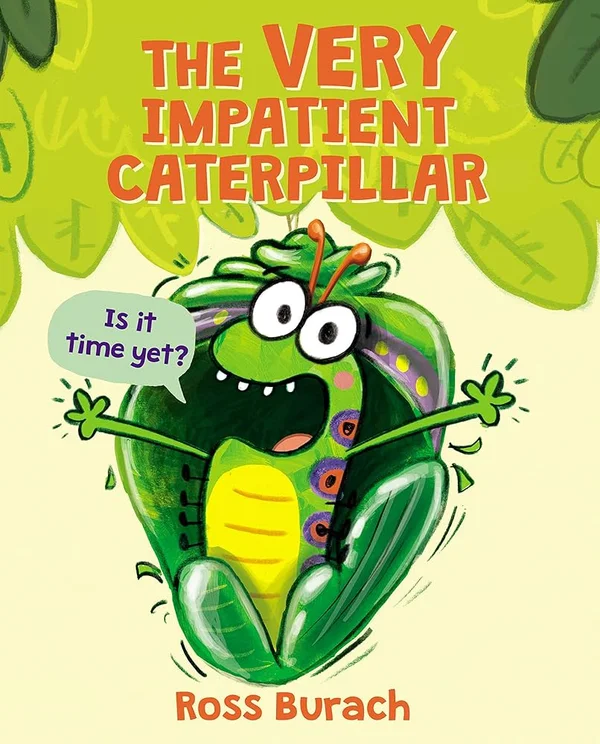
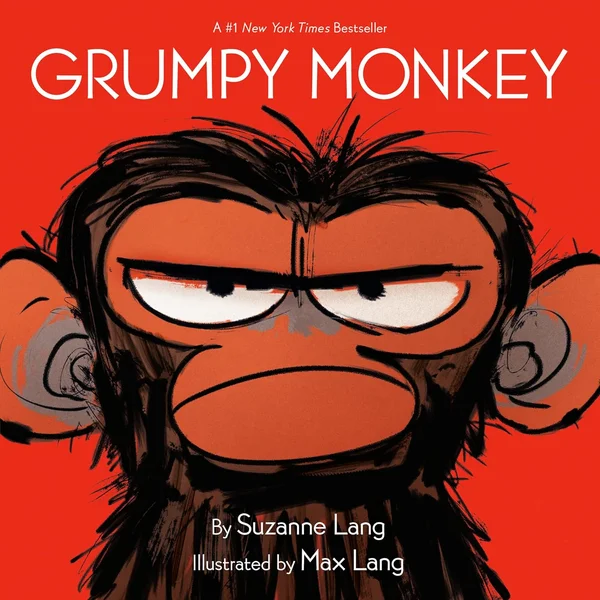
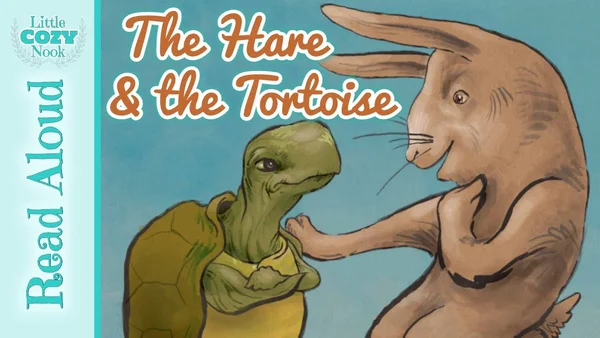
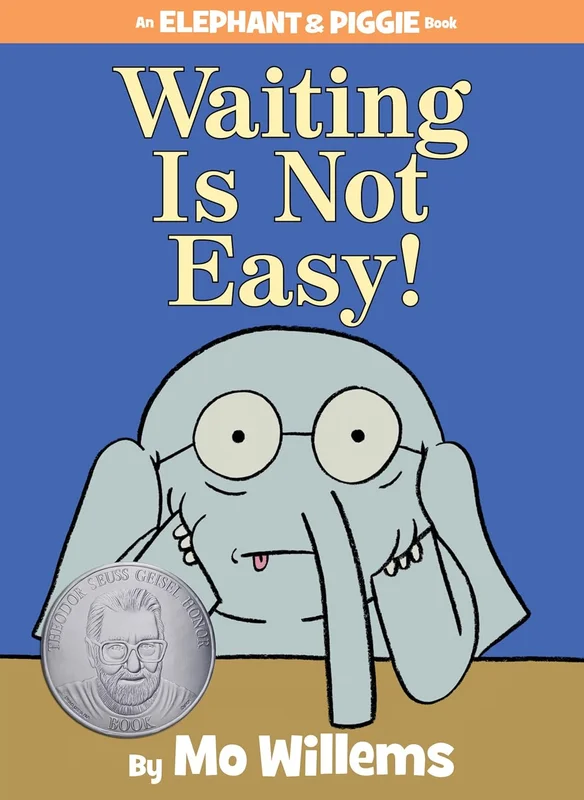
Values and Virtues has curated 32 book guides for patience, organized by grade level. For K-2nd grade, 'Waiting is Not Easy!', 'Grumpy Monkey,' and 'The Very Impatient Caterpillar' are funny and honest starting points for conversations about frustration and waiting. For grades 3-5, 'The Hare and the Tortoise,' 'Lilly's Purple Plastic Purse,' and 'Clark the Shark' explore patience in richer social situations. For older readers, 'The Adolescent Brain' and 'The Odyssey' open up larger conversations about impulse, consequence, and what it means to wait well. All guides include free discussion questions available on this page.
How can I use books to start conversations about patience with my child?
Values and Virtues provides free Guiding Questions for every book on this page. After reading together, pick two or three questions and let the conversation go where it needs to go. The goal is not to lecture your child about patience. The goal is to get them thinking about it through a character they can relate to. Ten minutes of that kind of conversation does something that correcting behavior in the moment rarely does: it builds the inner language children need to manage their own feelings.
Is patience a virtue?
Yes. Patience is recognized as a virtue across philosophical, religious, and psychological traditions. In classical virtue ethics it is closely linked to temperance, the ability to moderate one's impulses and desires. In contemporary psychology, patience and impulse control are among the most studied and most predictive character strengths. Values and Virtues includes patience in its framework of 12 foundational virtues for children's character development.
What is Values and Virtues?
Values and Virtues is a nonprofit platform that helps parents and educators reconnect with children through guided book conversations. Built around 12 core virtues, it provides more than 400 guides and activities, free to read online, organized by virtue and grade level. It is operated by The Principled Academy Inc., a 501(c)(3) nonprofit.