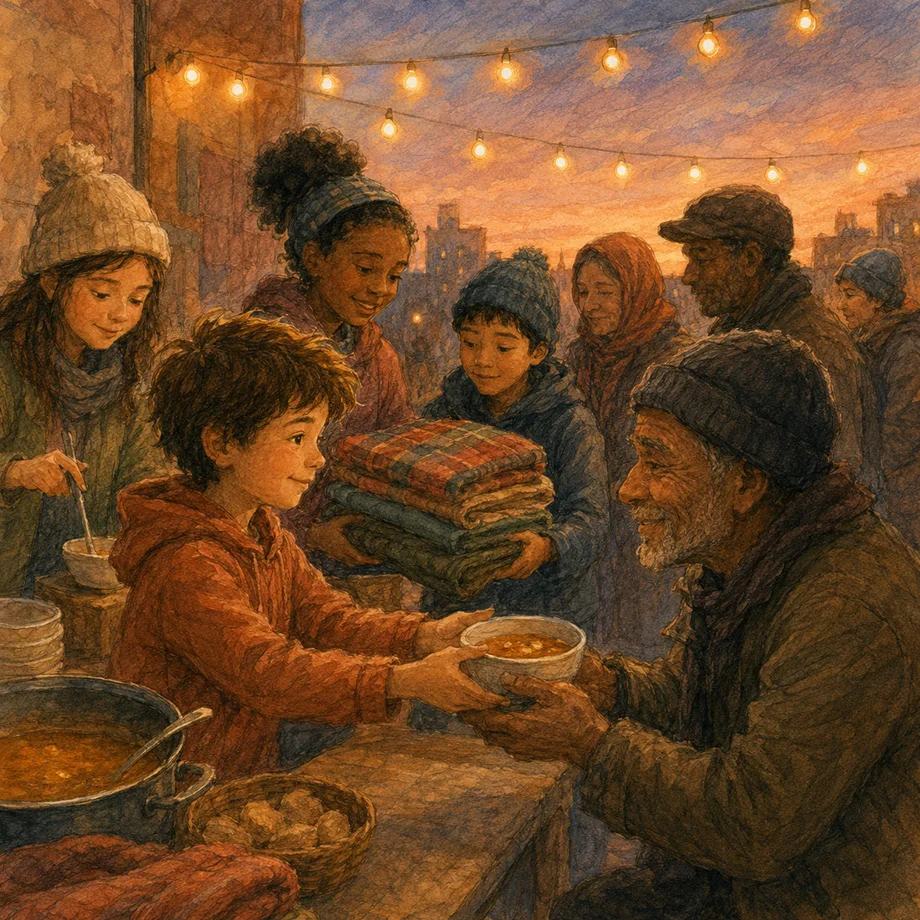
Virtue: Service
Service.
Using what you have, whatever that is, to make things better for someone else.
Virtue: Service
Using what you have, whatever that is, to make things better for someone else.
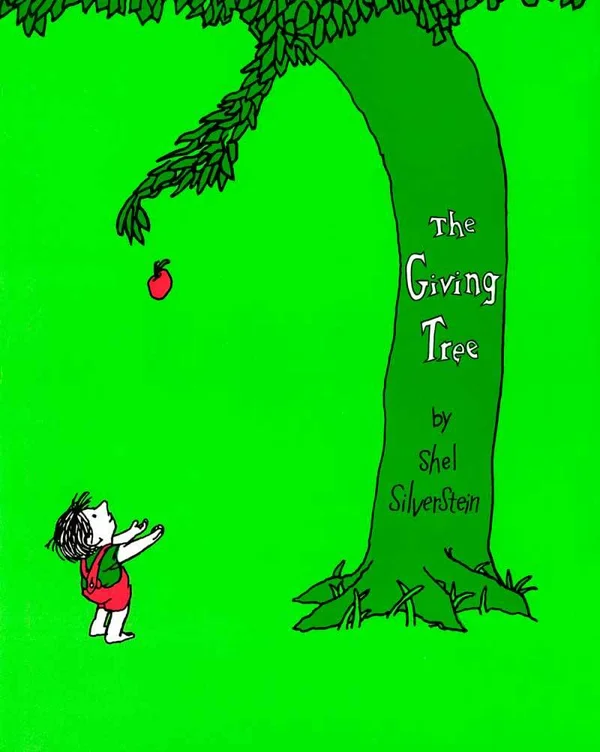
1st & 2nd Grade
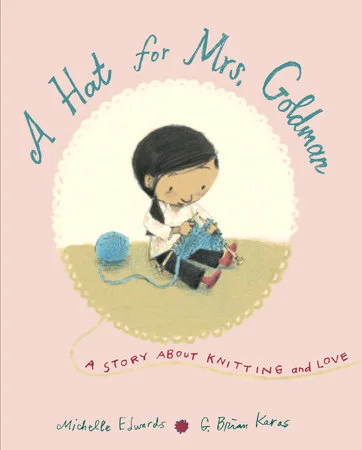
1st & 2nd Grade
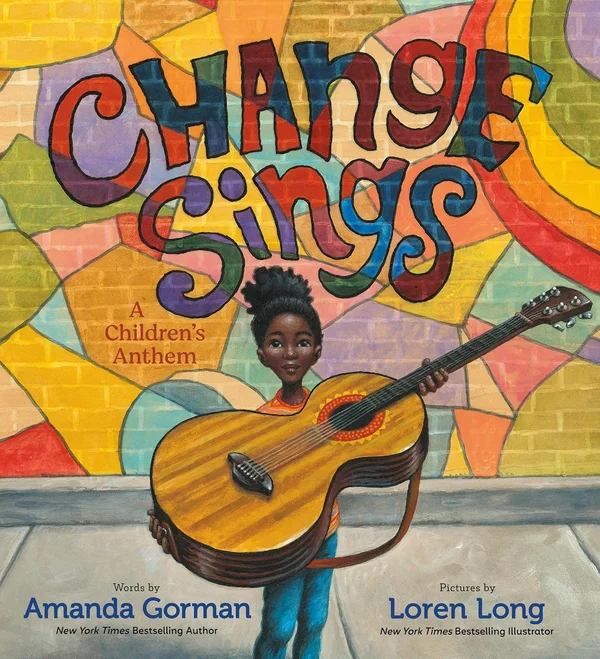
1st & 2nd Grade
Pre-K & Kindergarten
1st & 2nd Grade
Pre-K & Kindergarten

Pre-K & Kindergarten
Pre-K & Kindergarten
1st & 2nd Grade
5th & 6th Grade

3rd & 4th Grade
1st & 2nd Grade
1st & 2nd Grade
Pre-K & Kindergarten
5th & 6th Grade
1st & 2nd Grade
1st & 2nd Grade
1st & 2nd Grade
1st & 2nd Grade
3rd & 4th Grade
3rd & 4th Grade
Pre-K & Kindergarten
1st & 2nd Grade
1st & 2nd Grade
Pre-K & Kindergarten
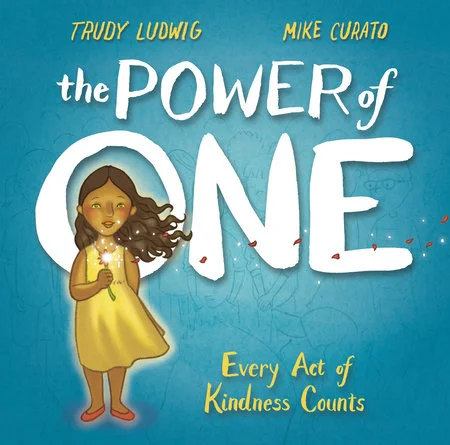
1st & 2nd Grade
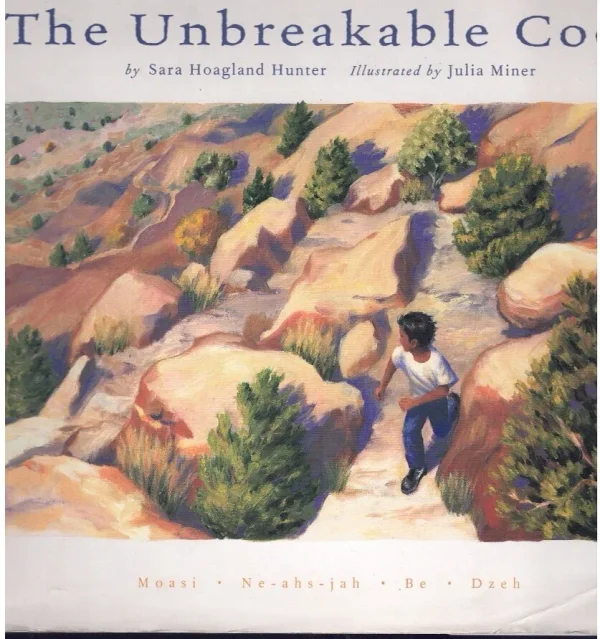
5th & 6th Grade
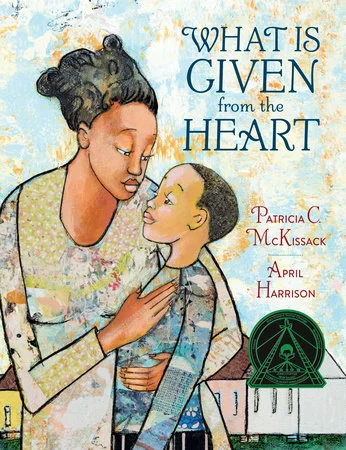
3rd & 4th Grade
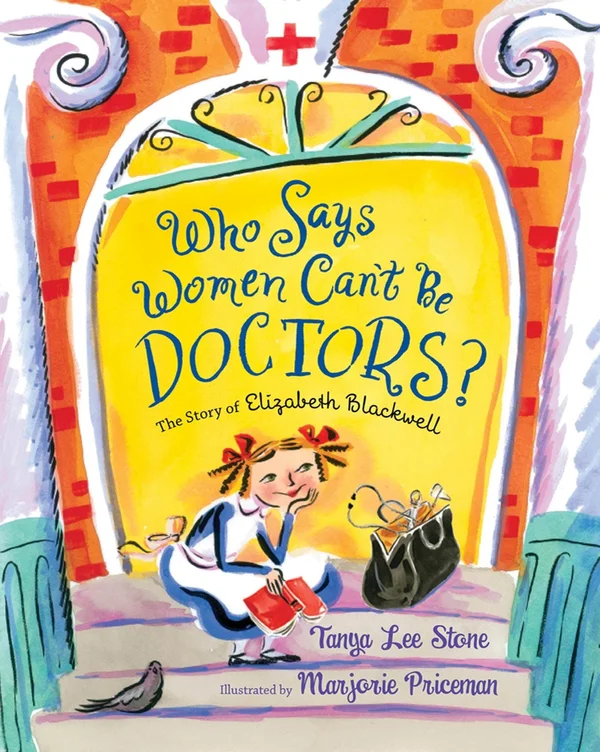
5th & 6th Grade
Pre-K & Kindergarten
Pre-K & Kindergarten
Service is the practice of using what you have to help someone else. Not what you wish you had, but what is actually in your hands right now. Your time. Your skills. Your presence. Your willingness to show up. Service does not require wealth or status or a special occasion. It requires only the decision to look outward and ask: what does someone here need, and can I help with that? Service is one of the virtues that changes both the giver and the recipient. Children who practice service regularly develop a stronger sense of purpose, greater empathy, and a more realistic understanding of the world beyond their own experience. They also tend to be happier. Not because service is easy, but because it connects them to something larger than themselves, and that connection is one of the deepest sources of meaning a human being can find.
“Service is not what you do with your leftovers. It is what you do on purpose, with what you have.”
This Service resource page is made possible through the generous support of a mission-aligned organization dedicated to strengthening families and character in children. Their partnership helps keep all guides and activities free for every family.
Learn about supporting a virtue page →What is service and why is it important for children?
Service is the practice of using your time, skills, or presence to help someone else or to contribute to a community beyond yourself. For children, developing a habit of service builds empathy, a sense of purpose, and a more realistic understanding of the world beyond their own experience. Research consistently links regular service and volunteering in young people to higher wellbeing, stronger civic engagement, and a more generous orientation toward others that tends to persist into adulthood.
At what age can children learn about service?
Children can begin practicing simple acts of service as early as ages 3 to 4, through small contributions to family life like helping set the table or carrying something for a sibling. By ages 6 to 8, most children can begin to understand service as a concept that extends beyond their immediate family to neighbors, community, and people they have never met. The guides on this page are organized by grade level so families can build a spirit of service at every developmental stage.
How do you teach children about service?
Service is best taught through story, example, and experience rather than obligation or instruction. When a child reads about a character who chose to use what they had to help someone else, and a parent asks 'Why do you think they did that?' or 'Is there someone in your life who could use something like that?', service becomes a real possibility rather than an abstract value. The guides on this page are built to start exactly that kind of conversation, before the first act of service ever takes place.
What is the difference between service and charity?
Charity typically involves giving something you have, money, goods, or time, to someone who needs it. Service is broader. It includes charity, but it also includes the quieter forms of help: the neighbor who checks in on an elderly friend, the child who notices someone sitting alone and chooses to sit beside them, the teenager who uses their particular skill to solve a problem no one else thought to address. The guides on this page explore all of these forms, from grand gestures to everyday moments of choosing someone else.
What are good books to teach service to children?
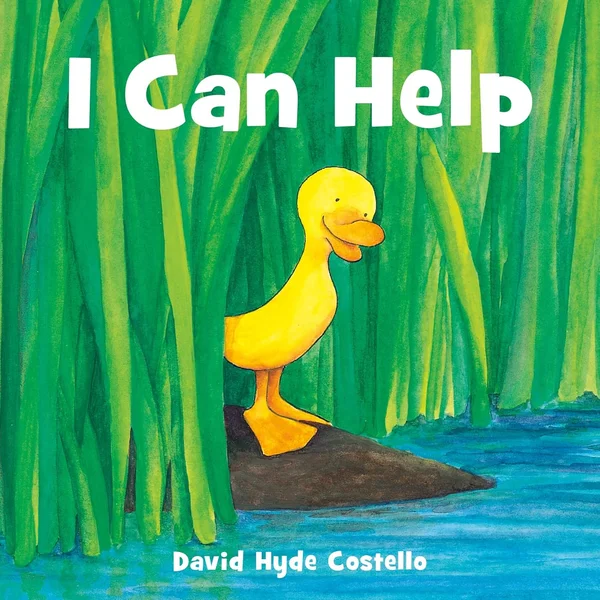
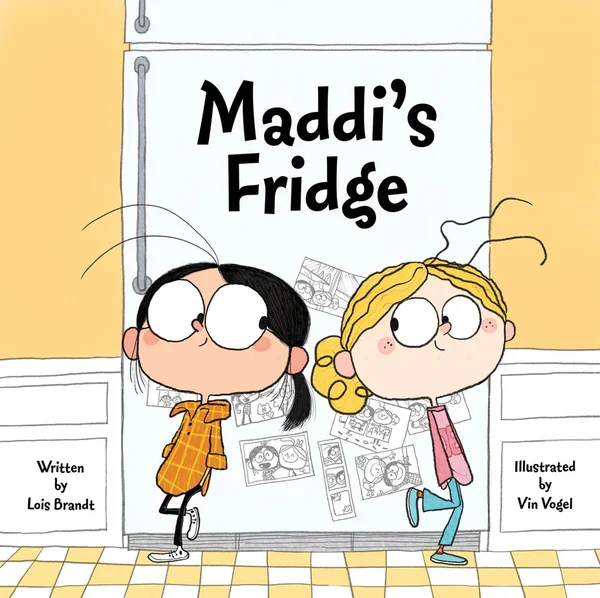
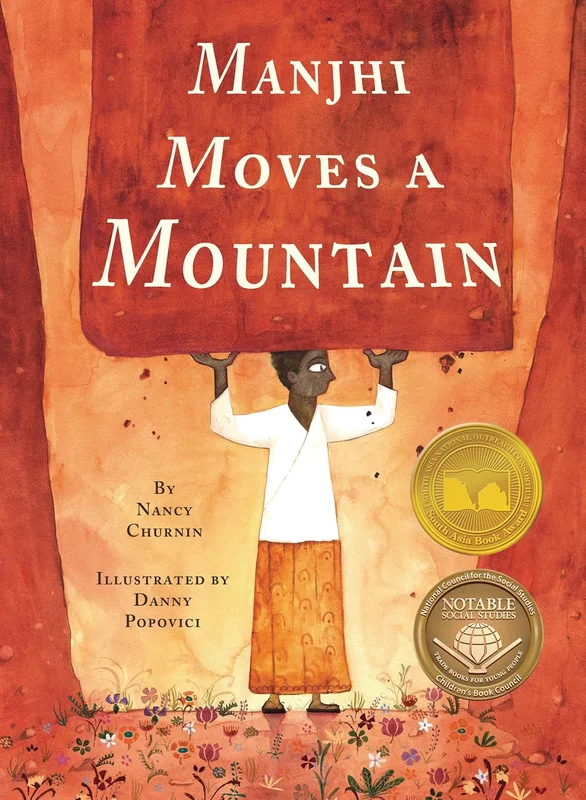
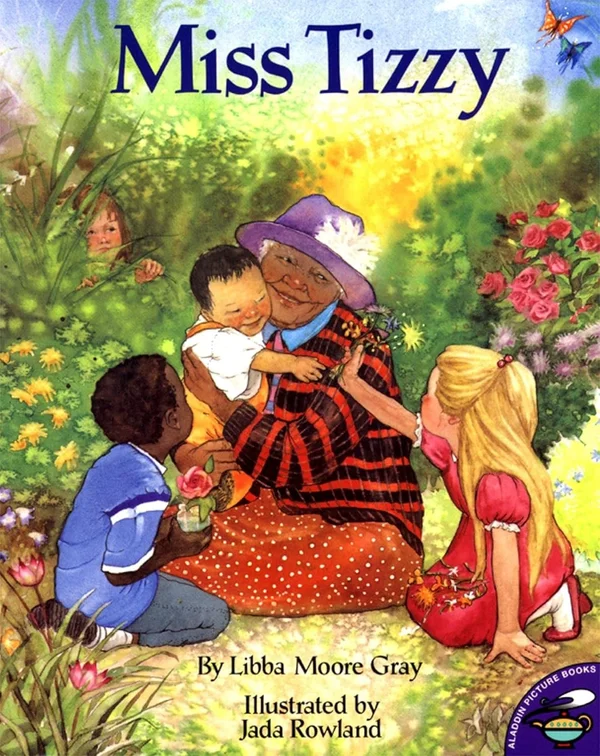
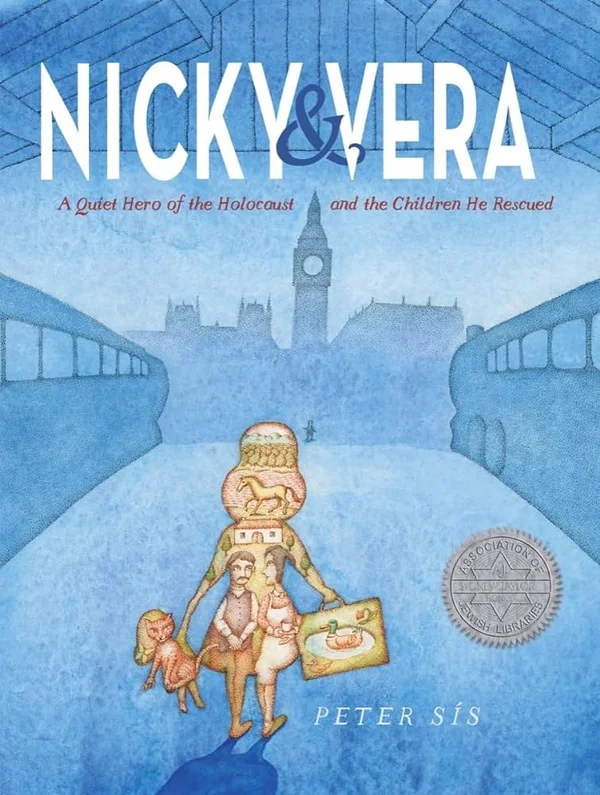
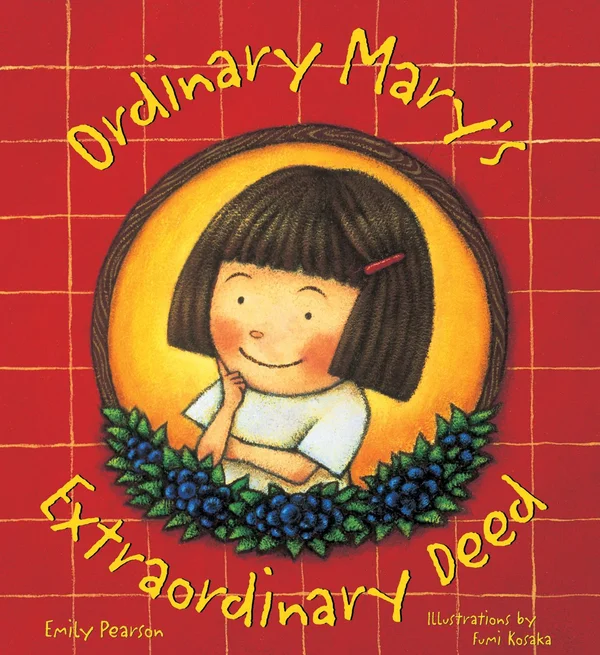
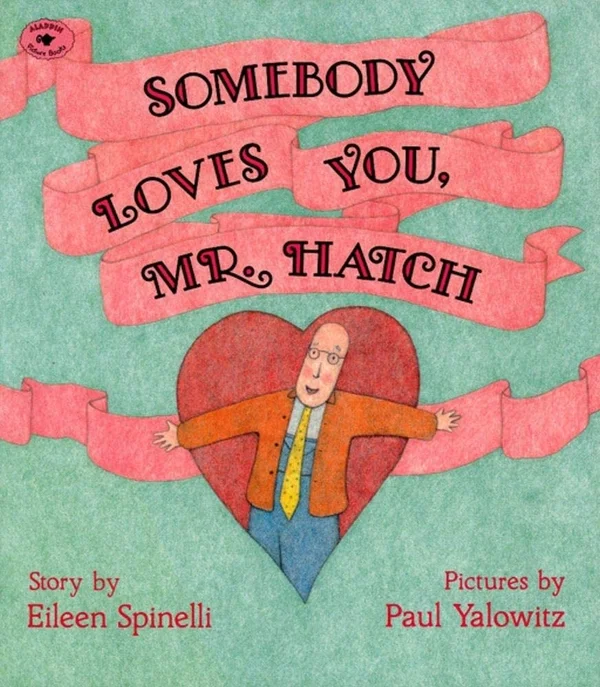
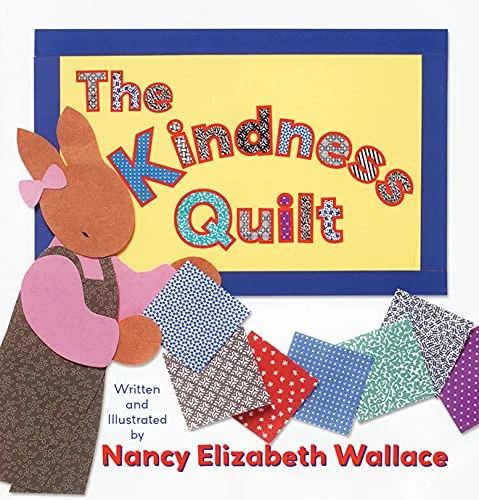
Values and Virtues has curated 31 book guides for service, organized by grade level. For K-2nd grade, 'Somebody Loves You, Mr. Hatch,' 'I Can Help,' and 'Ordinary Mary's Extraordinary Deed' are warm starting points for conversations about noticing and helping. For grades 3-5, 'Maddi's Fridge,' 'The Kindness Quilt,' and 'Miss Tizzy' explore service in neighborhood and community contexts. For older readers, 'Nicky and Vera,' 'Who Says Women Can't Be Doctors,' and 'Manjhi Moves a Mountain' show what service looks like at its most courageous and consequential. All guides include free discussion questions available on this page.
How can I use books to start conversations about service with my child?
Values and Virtues provides free Guiding Questions for every book on this page. After reading together, pick two or three questions and let the conversation develop naturally. The goal is not to assign a service project or create a sense of obligation. The goal is to help your child notice the people around them and feel the natural pull toward helping. Ten minutes of that kind of honest conversation does more than any volunteer requirement.
Is service a virtue?
Yes. Service is recognized as a virtue across philosophical, religious, and civic traditions worldwide. In many faith traditions it is considered one of the highest expressions of love for others. In civic philosophy it is the foundation of democratic participation and community life. Values and Virtues includes service in its framework of 12 foundational virtues for children's character development.
What is Values and Virtues?
Values and Virtues is a nonprofit platform that helps parents and educators reconnect with children through guided book conversations. Built around 12 core virtues, it provides more than 400 guides and activities, free to read online, organized by virtue and grade level. It is operated by The Principled Academy Inc., a 501(c)(3) nonprofit.